

Imagine peering into a jar of sourdough starter, watching the bubbles rise like tiny, yeast-driven explosions. Or the tangy fizz that escapes when you pop open a bottle of kombucha. These foods scream health benefits, but let’s be real.
What do the studies on science fermentation actually reveal? That’s what I want to explore with you.
I get it. It’s easy to get lost in the buzzwords and trends, but we’re diving into real science here. I’m breaking down all that complex stuff into bite-sized takeaways you can actually use at home.
You’ll see how microbial magic translates into not just health benefits, but flavors that can transform your meals.
Expect a straightforward, no-hype journey into the world of fermentation. You’ll walk away knowing what counts, grounded in real-world facts.
The Science of ‘Controlled Rot’: Fermentation Explained
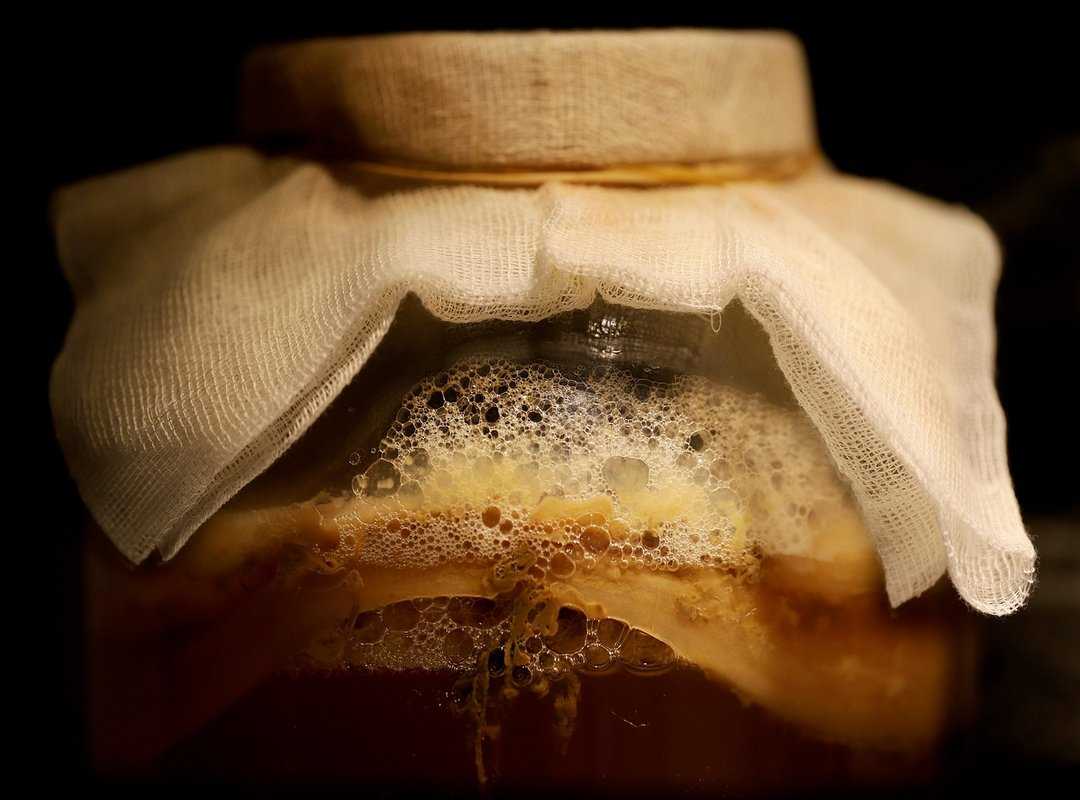
Imagine training tiny microbial chefs to transform our food. That’s fermentation for you. In this science fermentation adventure, bacteria, yeast, and enzymes are the key players.
These little guys eat sugars and starches, producing lactic acid, alcohol, and gases as byproducts. Sounds gross? It’s actually genius.
Take yogurt. It’s got that tangy kick thanks to lactic acid, a gift from our bacterial friends. Beer bubbles?
Thank yeast for that boozy fizz. And soy sauce? That umami punch comes from fermentation magic.
It’s like giving food a second life. Fermentation isn’t just random spoilage; it’s a process that’s been harnessed for centuries to preserve food and create incredible flavors. The ancient art of controlled rot (yes, that sounds weird) is anything but random.
Think about it (what) would our culinary world be without cheese, sauerkraut, or even sourdough bread? This isn’t just about preserving; it’s about enhancing flavors, creating something new, something special. The real beauty of fermentation is how it bridges cultures and food traditions.
Each culture has its own twist on fermented foods, making it a global phenomenon.
Curious about how this connects to the farm-to-table movement? Check out understanding farm to table movement. Fermentation plays a starring role in that story too.
It’s all about respecting and utilizing nature’s processes to bring out the best in our food. So the next time you sip on kombucha or bite into a pickle, remember you’re tasting a piece of history (and science) working together.
Your Gut on Kimchi: Science Meets Fermentation
Ever wondered what goes on inside your gut? It’s like a bustling inner garden. The stars of this garden are the trillions of microorganisms, and guess what?
They’re key to your health. Here’s where the magic of science fermentation comes in. Fermented foods like kimchi, sauerkraut, and kefir are packed with probiotics.
They’re nature’s way of planting good bacteria in your digestive tract.
But what’s the big deal with this bacteria? For one, it helps with digestion and nutrient absorption. You eat, they help your body take in the nutrients.
Simple. Plus, they’re known for boosting your immune system. Imagine that.
Your morning kefir helping you fight off colds.
And it’s not just about probiotics. These fermented delights contain prebiotics too. Think of prebiotics as food for your gut’s good bacteria.
It’s like a double shot of goodness: eat some kimchi, feed your gut, and let the healthy bacteria party.
Lactic acid is another piece of the puzzle. It creates an environment where the good guys thrive, outcompeting the harmful bacteria. Ever wonder why some people swear by their daily dose of sauerkraut?
They might be onto something.
Here are some key takeaways from research:
- Fermented foods can improve digestion and nutrient absorption.
- Prebiotics in these foods help sustain beneficial bacteria.
Feeling intrigued by your gut’s potential? Maybe it’s time to let fermented foods join your meal plan. Your gut will probably thank you.
Fermentation: Unleashing Hidden Nutrients and Flavor
Does fermentation make food more nutritious? Absolutely. to the nitty-gritty of science fermentation. It’s not just about what you eat, but what your body can actually absorb.
This is where “bioavailability” comes in. It means how well your body can soak up the nutrients. And fermentation is like a backstage pass for your digestive system.
Scientific studies have revealed that fermentation breaks down anti-nutrients. These are the sneaky culprits like phytates in grains that block mineral absorption. Sourdough bread serves as a prime example.
During fermentation, minerals like iron and zinc in the flour become more available to our bodies than in standard bread. It’s like magic, but backed by science.
But wait, there’s more. Fermentation isn’t just about nutrients. It’s a flavor powerhouse.
It creates complex compounds like esters and aldehydes that aren’t in the raw ingredients. This leads to deep umami, tang, and aroma. Think about that tangy bite of kimchi or the rich depth of soy sauce.
That’s fermentation at work.
Curious about exploring flavors and cooking techniques further? Check out the Guide Starting Food Blog Successfully. You might just find your next culinary adventure there.
Pro tip: Next time you’re in the kitchen, give fermentation a shot. It’s a simple way to open up more from your ingredients. Plus, who doesn’t want to raise their cooking game with a touch of science?
Reading the Research: Science or Fermentation Fiction?
Let’s talk about this. With all those health claims flying around, it’s tough not to be skeptical. I mean, does every fermented food really cure everything from acne to anxiety?
Spoiler: probably not.
Sure, the research on science fermentation shows promise. But remember, many studies are just dipping their toes in the water. They’re often focused on specific strains that you won’t find in your homemade sauerkraut.
And here’s the kicker: some of these studies are on animals, not humans. So, how do we cut through the noise?
Ask yourself these questions next time a fermentation headline catches your eye. First, was the study on humans or just mice? Let’s face it, human studies are way more relevant.
Second, how much of the fermented stuff did they actually consume in the study? Because, trust me, the amounts might be far beyond your average kombucha bottle. Lastly, is this a one-off finding or part of a consistent pattern?
One study doesn’t make it gospel.
Even without a miracle cure label, fermentation has a solid track record. Think of it: generations have used these processes for preservation and flavor. Ever wonder why pickles and kimchi have been around forever?
It’s because they work. They make food last longer and taste amazing. Plus, they might even help with digestion (no guarantees).
So, while the scientific world continues its dance with fermentation, you can enjoy the benefits without expecting magic. The history of safe use and those foundational perks aren’t going anywhere. And really, isn’t that enough to keep these foods in your diet?
Your Fermentation Adventure Awaits
So, you’ve dug into science fermentation and realized it’s the real deal. It’s not just a trend but a legit way to boost nutrition and flavor while being kind to your gut. That’s a win, right?
Science has your back here, turning basic ingredients into something extraordinary.
But what’s next? You’ve got to take this knowledge and run with it. Imagine the satisfaction of creating your own homemade pickled veggies.
Why just read about it? Dive in, try it, and taste the results yourself.
Feeling the itch to experiment? Now’s the time. Explore our simple guide to get you started on this culinary journey.
We’re not just talking theory here. We’re #1 in making complex flavors accessible and fun.
Your taste buds deserve more than supermarket jars. Ready to transform your kitchen skills? Explore the guide, make that first batch, and trust me, you won’t look back.
 Head of Culinary Content & Recipe Development
There is a specific skill involved in explaining something clearly — one that is completely separate from actually knowing the subject. Max Bessleroid has both. They has spent years working with flavorful cooking foundations in a hands-on capacity, and an equal amount of time figuring out how to translate that experience into writing that people with different backgrounds can actually absorb and use.
Max tends to approach complex subjects — Flavorful Cooking Foundations, Explore More, Kitchen Prep Hacks being good examples — by starting with what the reader already knows, then building outward from there rather than dropping them in the deep end. It sounds like a small thing. In practice it makes a significant difference in whether someone finishes the article or abandons it halfway through. They is also good at knowing when to stop — a surprisingly underrated skill. Some writers bury useful information under so many caveats and qualifications that the point disappears. Max knows where the point is and gets there without too many detours.
The practical effect of all this is that people who read Max's work tend to come away actually capable of doing something with it. Not just vaguely informed — actually capable. For a writer working in flavorful cooking foundations, that is probably the best possible outcome, and it's the standard Max holds they's own work to.
Head of Culinary Content & Recipe Development
There is a specific skill involved in explaining something clearly — one that is completely separate from actually knowing the subject. Max Bessleroid has both. They has spent years working with flavorful cooking foundations in a hands-on capacity, and an equal amount of time figuring out how to translate that experience into writing that people with different backgrounds can actually absorb and use.
Max tends to approach complex subjects — Flavorful Cooking Foundations, Explore More, Kitchen Prep Hacks being good examples — by starting with what the reader already knows, then building outward from there rather than dropping them in the deep end. It sounds like a small thing. In practice it makes a significant difference in whether someone finishes the article or abandons it halfway through. They is also good at knowing when to stop — a surprisingly underrated skill. Some writers bury useful information under so many caveats and qualifications that the point disappears. Max knows where the point is and gets there without too many detours.
The practical effect of all this is that people who read Max's work tend to come away actually capable of doing something with it. Not just vaguely informed — actually capable. For a writer working in flavorful cooking foundations, that is probably the best possible outcome, and it's the standard Max holds they's own work to.