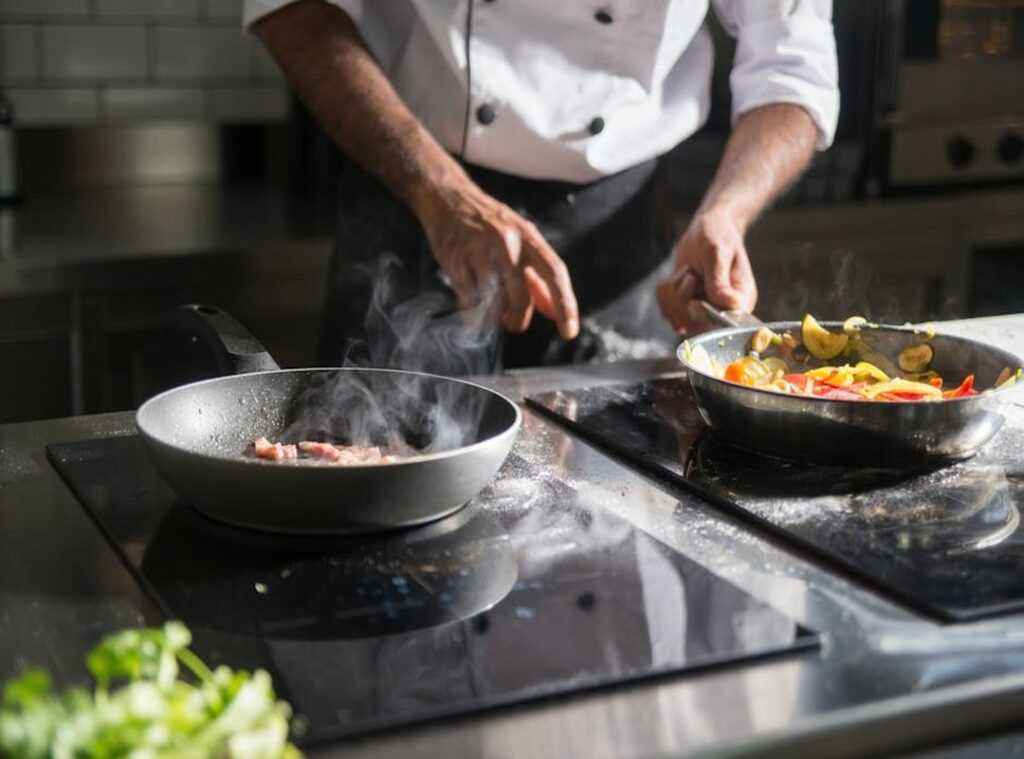

If you’re searching for a smarter way to cook, eat, and shop, understanding the benefits of seasonal eating is the perfect place to start. Seasonal ingredients aren’t just fresher—they’re more flavorful, more affordable, and often more nutritious because they’re harvested at their peak. This article explores how aligning your meals with the seasons can elevate your cooking, simplify meal planning, and introduce you to a wider variety of ingredients throughout the year.
We’ve drawn on culinary best practices, agricultural insights, and real kitchen-tested techniques to ensure the guidance here is practical and reliable. From selecting peak-produce at the market to adapting recipes with what’s naturally available, you’ll learn how to make seasonal eating effortless and rewarding. Whether you’re a home cook looking to boost flavor or someone aiming to make more mindful food choices, this guide will show you exactly how to make the most of every season.
EAT WITH THE SEASONS FOR MAXIMUM FLAVOR
Supermarket strawberries in winter: pale, pricey, and disappointing. June strawberries from a local farm: juicy, fragrant, unforgettable. That’s the difference between food shipped thousands of miles and food harvested at its peak.
Out-of-season produce often travels long distances, losing nutrients and flavor over time (Harvard T.H. Chan School of Public Health). In-season produce, by contrast, is fresher, more affordable, and richer in taste.
The benefits of seasonal eating include:
- Better flavor
- Higher nutrient retention
- Lower grocery costs
Think FARMERS’ MARKET vs BIG-BOX AISLE. One bursts with life. The other? Convenient, yes—but often bland (like a movie sequel no one asked for).
Taste the Difference: Why In-Season Food is Naturally More Delicious and Nutritious
1. The Science of Ripening
Embracing seasonal eating not only enhances the flavor and nutritional value of your meals, but it also makes for the perfect opportunity to explore cooking techniques, like sautéing versus stir-frying, to elevate your dishes further – for more details, check out our Sautéing vs. Stir-Frying: What’s the Real Difference?.
First, let’s talk flavor. When fruits and vegetables ripen naturally on the vine, tree, or in the soil, they undergo a full biochemical process. Sugars develop, acids balance out, and aromatic compounds intensify. That’s why a July tomato tastes rich and almost buttery, while a winter supermarket tomato can taste watery and flat (the culinary equivalent of a cardboard prop in a sitcom kitchen).
Some argue that modern shipping preserves taste just fine. After all, produce is refrigerated and transported quickly. However, many crops are picked early to survive long distances, which interrupts ripening. While they may soften later, they rarely achieve the same complex flavor profile.
2. Nutrient Density at Its Peak
At harvest, vitamins, minerals, and antioxidants are at their highest levels. Vitamin C and certain B vitamins, in particular, degrade over time, especially during extended storage (Lee & Kader, 2000, Journal of the Science of Food and Agriculture). In contrast, freshly harvested produce retains more of its original nutrient density.
Critics might say frozen options are just as nutritious. In some cases, that’s true. Yet long-haul fresh produce often loses nutrients before it reaches your plate.
3. From Farm to Your Table—Faster
A shorter supply chain means less time between harvest and consumption. That speed preserves freshness and supports the benefits of seasonal eating in measurable, flavorful ways.
The simplest way to slash your grocery bill is to understand the Law of Supply and Demand. When strawberries flood the market in June, prices tumble; when they’re flown in during January, they spike. Economists call this increased supply meeting steady demand, which pushes costs down for shoppers. Think cheap summer berries versus winter cartons that feel like luxury items.
Seasonal abundance also trims what I call “middle costs”—the hidden expenses of long-distance shipping, extended refrigeration, and artificial ripening. A tomato trucked across continents racks up fuel, storage, and handling fees before it ever hits your cart. Buy it in-season from nearby farms, and many of those markups disappear. (It’s basic math, not magic.)
Here’s where it gets strategic. Stock up when prices bottom out and preserve the surplus.
- Freeze berries on trays before bagging them.
- Can tomatoes for sauces and soups.
- Pickle cucumbers or peppers for year-round crunch.
These small habits stretch the benefits of seasonal eating far beyond harvest day. Pro tip: label everything with dates so you actually use what you store.
Looking ahead, I suspect climate shifts and smarter local distribution tech will make seasonal swings even more pronounced—and more profitable for attentive shoppers. As farmers markets digitize and urban greenhouses expand, we may see flash gluts that reward flexible meal planners. Ignore the calendar and pay more year-round.
Support Your Community and the Planet with Every Bite
Last summer, I bought a basket of tomatoes from a farmer’s market stand just ten minutes from my house. They were still warm from the sun—and honestly, they tasted nothing like the pale supermarket versions I’d been settling for. That small purchase felt different. It wasn’t just dinner; it was participation.
First, buying seasonal produce fuels your local economy. When you shop from nearby farms and food artisans, more of your money stays in the community (instead of vanishing into a distant supply chain). Local spending strengthens regional jobs and food security, according to the USDA’s research on local food systems.
Then there’s the idea of food miles—the distance food travels from farm to plate. The shorter the distance, the lower the transportation emissions. Eating strawberries in June instead of January often means they didn’t fly halfway across the world to reach you. Fewer miles, smaller carbon footprint.
Some argue that global sourcing guarantees year-round variety. That’s true. But seasonal demand also promotes crop rotation and biodiversity—two pillars of sustainable farming that protect soil health (and future harvests).
If you’re curious how this ties into everyday cooking, explore the rise of plant forward meals what it means for home cooks.
The benefits of seasonal eating go beyond flavor—they connect your plate to your planet.
Cooking creatively doesn’t require rare ingredients; it starts with a seasonal mindset. Think of your pantry as a rotation, not a warehouse. Asparagus appears in spring, tomatoes burst in summer, squash anchors fall. That shift isn’t limiting—it’s liberating. Instead of asking, “What can I make?” you ask, “What’s at its best right now?”
When produce is at peak flavor, simplicity is key. Try:
- Roasted asparagus with olive oil and sea salt
- Fresh tomato salads with basil and lemon
- Baked squash with butter and cracked pepper
These dishes work because nature already did the heavy lifting.
Some argue seasonal cooking is inconvenient in a global supermarket era. But that abundance can dull inspiration Rotating ingredients narrows choices and sparks technique.
The benefits of seasonal eating in the section once exactly as it is given remind us that flavor, cost, and freshness often align.
Cooking this way builds rhythm with the calendar.
Your First Step to a Fresher, More Flavorful Kitchen
As we’ve shown, eating seasonally is the key to unlocking better flavor, superior nutrition, significant savings, and a more sustainable lifestyle. No more settling for bland tomatoes in January. Some argue convenience matters more than seasonality, but flavor always wins. By aligning your cart with the calendar, you choose ingredients at their peak (yes, they really taste that different).
Start here:
- Visit a local farmers’ market.
- Check a regional in-season guide.
- Build one meal around a single star ingredient.
Speculation: seasonal menus will soon dominate home cooking trends across the country.
Bring Seasonal Flavor to Your Table
You came here looking for practical ways to embrace seasonal ingredients, elevate your cooking, and make smarter choices in the kitchen—and now you have the tools to do exactly that. From understanding peak produce to applying simple prep hacks, you’re ready to cook with more confidence and creativity.
The real magic lies in the benefits of seasonal eating—better flavor, improved nutrition, lower costs, and meals that naturally align with the time of year. When ingredients are at their peak, your dishes don’t just taste better—they require less effort to shine.
Don’t settle for bland, out-of-season meals that lack freshness and depth. Start planning your next weekly menu around what’s in season, experiment with one new seasonal ingredient, and apply the techniques you’ve learned here.
If you want more fresh insights, global flavor inspiration, and proven kitchen shortcuts trusted by home cooks everywhere, explore our latest guides and recipes now. Your next unforgettable meal starts with what’s in season—go make it happen.
 Kitchen Operations & Food Preparation Specialist
There is a specific skill involved in explaining something clearly — one that is completely separate from actually knowing the subject. Luther Deckeroids has both. They has spent years working with corner culinary techniques in a hands-on capacity, and an equal amount of time figuring out how to translate that experience into writing that people with different backgrounds can actually absorb and use.
Luther tends to approach complex subjects — Corner Culinary Techniques, Fresh Insights, Explore More being good examples — by starting with what the reader already knows, then building outward from there rather than dropping them in the deep end. It sounds like a small thing. In practice it makes a significant difference in whether someone finishes the article or abandons it halfway through. They is also good at knowing when to stop — a surprisingly underrated skill. Some writers bury useful information under so many caveats and qualifications that the point disappears. Luther knows where the point is and gets there without too many detours.
The practical effect of all this is that people who read Luther's work tend to come away actually capable of doing something with it. Not just vaguely informed — actually capable. For a writer working in corner culinary techniques, that is probably the best possible outcome, and it's the standard Luther holds they's own work to.
Kitchen Operations & Food Preparation Specialist
There is a specific skill involved in explaining something clearly — one that is completely separate from actually knowing the subject. Luther Deckeroids has both. They has spent years working with corner culinary techniques in a hands-on capacity, and an equal amount of time figuring out how to translate that experience into writing that people with different backgrounds can actually absorb and use.
Luther tends to approach complex subjects — Corner Culinary Techniques, Fresh Insights, Explore More being good examples — by starting with what the reader already knows, then building outward from there rather than dropping them in the deep end. It sounds like a small thing. In practice it makes a significant difference in whether someone finishes the article or abandons it halfway through. They is also good at knowing when to stop — a surprisingly underrated skill. Some writers bury useful information under so many caveats and qualifications that the point disappears. Luther knows where the point is and gets there without too many detours.
The practical effect of all this is that people who read Luther's work tend to come away actually capable of doing something with it. Not just vaguely informed — actually capable. For a writer working in corner culinary techniques, that is probably the best possible outcome, and it's the standard Luther holds they's own work to.