Curious about eating more plants without committing to rigid food rules? This guide to plant-forward meals explores how vegetables, legumes, and grains can take center stage in ways that feel abundant, comforting, and deeply flavorful. Many people want to shift toward plant-predominant eating but get stuck choosing between restrictive diets and bland salads. Here, you’ll discover practical culinary techniques, smart flavor-building strategies, and global inspiration that make plants the highlight of every plate. Whether you’re rebalancing your routine or simply craving fresh ideas, this article delivers satisfying, flexible approaches that prioritize taste just as much as nutrition.
Why Put Plants at the Center of Your Plate?
As more home cooks embrace plant-forward meals to promote health and sustainability, understanding how to properly store these fresh ingredients becomes crucial, which is why our article on Must-Know Food Storage Tips to Extend Shelf Life can be a game-changer.
Shifting your focus to plant-forward meals isn’t about limitation—it’s about expansion. When vegetables, grains, and legumes take the lead, you unlock a world of flavor and texture: earthy mushrooms, jammy roasted peppers, creamy lentils, crackling greens fresh from a hot pan. Your plate becomes more colorful, more dynamic, and far more interesting (goodbye, predictable chicken-and-rice routine).
There’s also a culinary edge. Cooking this way sharpens foundational skills like proper searing, balanced roasting, and building layered sauces from simple ingredients. Think of it as strength training for your kitchen instincts. The more you experiment, the more confident—and creative—you become.
And then there’s how you feel. Meals centered on seasonal produce and pantry staples often leave you energized instead of sluggish. They’re practical, budget-friendly, and adaptable year-round. What’s in it for you? Better flavor, stronger skills, and meals that work as hard as you do.
The Secret to Deep Flavor: Your Plant-Based Pantry Toolkit
Great flavor doesn’t require meat—it requires strategy. While many cooking guides stop at “add salt,” deep savoriness (often called umami, the fifth taste linked to glutamates) comes from layering smart ingredients. Soy sauce, miso paste, mushrooms, nutritional yeast, and tomato paste all deliver natural glutamates that create complexity without heaviness. For example, a spoonful of white miso whisked into vegetable soup adds the same roundness people expect from chicken stock. Dried mushrooms steeped in hot water? Instant broth upgrade (and far more interesting than boxed alternatives).
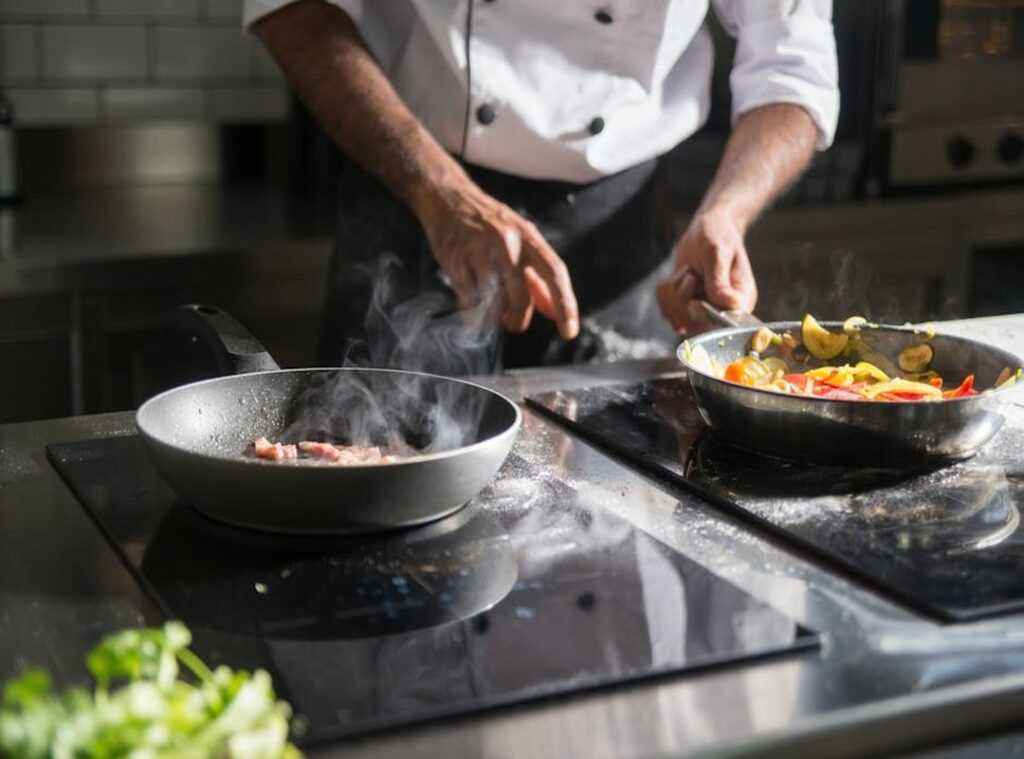
However, ingredients alone aren’t enough. Technique matters just as much. High-heat cooking—like roasting cauliflower or pan-searing Brussels sprouts—triggers the Maillard reaction, a chemical process that creates those browned, nutty notes (Harold McGee, On Food and Cooking). Spread vegetables out, don’t crowd them, and let them caramelize properly. That golden edge is flavor you can’t fake.
Next, build personality with herbs, spices, and aromatics. Smoked paprika transforms chickpeas into something reminiscent of Spanish tapas. Cumin deepens roasted carrots. Garlic and onions? They’re foundational because slow cooking converts their sharp sulfur compounds into sweetness and depth.
Still, some argue plant-based dishes lack richness. The fix is finishing touches. A squeeze of lemon or splash of sherry vinegar sharpens flavors at the end. Quality olive oil or tahini adds body and balance. Pro tip: add acid last, just before serving, to preserve brightness.
Ultimately, mastering these tools turns simple ingredients into unforgettable plant-forward meals.
A World of Inspiration: Plant-Predominant Dishes Across the Globe

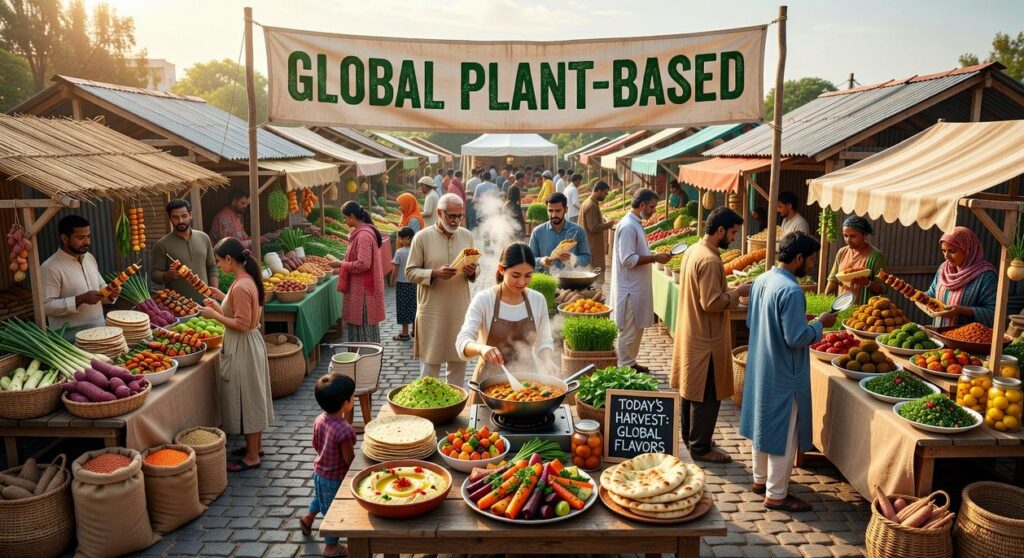
Looking to expand your kitchen horizons? Let’s start where vegetables have always taken center stage.
Mediterranean Mezze
First, consider the Mediterranean table. Mezze—small, shareable plates—naturally celebrates ingredients like chickpeas, lentils, and eggplant. Creamy hummus, earthy mujaddara (lentils and rice with caramelized onions), stuffed grape leaves, and smoky baba ghanoush prove that satisfaction doesn’t require meat. Olive oil, lemon, and fresh herbs do the heavy lifting (and yes, good olive oil really matters). Studies consistently link Mediterranean-style eating patterns to improved heart health (Harvard T.H. Chan School of Public Health), so flavor and function go hand in hand.
East Asian Bowls
Meanwhile, East Asian bowls offer a flexible blueprint: start with rice or noodles, add tofu or tempeh, layer pickled vegetables, fresh herbs, and finish with a bold sauce or broth. The structure is endlessly adaptable. Once you master the formula, weeknight dinners become plug-and-play (think culinary Lego bricks). What’s next? Experiment with miso-based sauces or gochujang for depth.
Latin American Staples
Across Latin America, beans, rice, corn, avocado, and vibrant salsas form a powerhouse combination. Together, they create complete proteins and fiber-rich meals (FAO data supports the nutritional synergy of legumes and grains). If you’re building plant-forward meals, this is a practical place to start.
Indian Curries and Dals
Then there’s India’s genius with spices. Dal, chana masala, and spinach-laced curries transform humble ingredients into aromatic, layered dishes. Toasting spices first unlocks deeper flavor—small step, big payoff.
Curious how food trends shape these choices? Explore data driven dining how analytics influence modern food choices.
From here, ask yourself: which region will you explore next?
Your Weekly Blueprint: Easy Meal Prep and Assembly
If weeknights feel chaotic, a simple formula can change everything. Start with the Build-a-Bowl approach: Grain Base + Plant Protein + Roasted Veggies + Fresh Topping + Flavorful Drizzle. For example, pair quinoa with chickpeas, roasted sweet potatoes, sliced cucumbers, and a lemon-tahini sauce. It’s balanced, customizable, and perfect for plant-forward meals.
To make this practical, batch cooking is your secret weapon. On Sunday, cook a big pot of quinoa, roast a sheet pan of mixed vegetables, and whisk together a versatile vinaigrette. Then, throughout the week, just assemble (no nightly marathon cooking required).
Pro tip: store sauces separately to keep textures fresh.
Even better, repurpose leftovers creatively. Roasted vegetables can be blended into a quick soup with broth and garlic, or tucked into a savory tart with puff pastry. In other words, one prep session fuels multiple meals—saving time, money, and decision fatigue.
Start Your Flavorful Plant-Forward Journey Tonight
You came here to see if eating more plants meant sacrificing flavor or satisfaction. Now you know the truth: plant-forward meals are about abundance, creativity, and bold taste—not restriction.
With just a few smart flavor techniques and inspiration from global cuisines, you can turn everyday ingredients into vibrant, crave-worthy dishes. The only thing standing between you and more exciting dinners is taking that first step.
Choose one technique or dish from this guide and try it this week. Transform your routine, awaken your taste buds, and prove to yourself that cooking with more plants can be the most flavorful decision you make.
 Founder & Culinary Director
Othric Quenvale has opinions about corner culinary techniques. Informed ones, backed by real experience — but opinions nonetheless, and they doesn't try to disguise them as neutral observation. They thinks a lot of what gets written about Corner Culinary Techniques, Flavorful Cooking Foundations, Kitchen Prep Hacks is either too cautious to be useful or too confident to be credible, and they's work tends to sit deliberately in the space between those two failure modes.
Reading Othric's pieces, you get the sense of someone who has thought about this stuff seriously and arrived at actual conclusions — not just collected a range of perspectives and declined to pick one. That can be uncomfortable when they lands on something you disagree with. It's also why the writing is worth engaging with. Othric isn't interested in telling people what they want to hear. They is interested in telling them what they actually thinks, with enough reasoning behind it that you can push back if you want to. That kind of intellectual honesty is rarer than it should be.
What Othric is best at is the moment when a familiar topic reveals something unexpected — when the conventional wisdom turns out to be slightly off, or when a small shift in framing changes everything. They finds those moments consistently, which is why they's work tends to generate real discussion rather than just passive agreement.
Founder & Culinary Director
Othric Quenvale has opinions about corner culinary techniques. Informed ones, backed by real experience — but opinions nonetheless, and they doesn't try to disguise them as neutral observation. They thinks a lot of what gets written about Corner Culinary Techniques, Flavorful Cooking Foundations, Kitchen Prep Hacks is either too cautious to be useful or too confident to be credible, and they's work tends to sit deliberately in the space between those two failure modes.
Reading Othric's pieces, you get the sense of someone who has thought about this stuff seriously and arrived at actual conclusions — not just collected a range of perspectives and declined to pick one. That can be uncomfortable when they lands on something you disagree with. It's also why the writing is worth engaging with. Othric isn't interested in telling people what they want to hear. They is interested in telling them what they actually thinks, with enough reasoning behind it that you can push back if you want to. That kind of intellectual honesty is rarer than it should be.
What Othric is best at is the moment when a familiar topic reveals something unexpected — when the conventional wisdom turns out to be slightly off, or when a small shift in framing changes everything. They finds those moments consistently, which is why they's work tends to generate real discussion rather than just passive agreement.