
If you’ve been searching for a deeper understanding of traditional Japanese home cooking, you’re likely looking for more than just recipes—you want context, technique, and the small details that make each dish meaningful. This article is designed to guide you through the foundations of everyday Japanese meals, from essential pantry staples to time-honored preparation methods that bring out clean, balanced flavors.
We break down core ingredients, explain key cooking techniques, and explore how seasonality shapes the Japanese table. Whether you’re curious about building a simple weeknight menu or refining your knife skills and kitchen prep, you’ll find practical, step-by-step insights you can apply immediately.
Our approach draws from carefully researched culinary sources, classic flavor principles, and tested kitchen methods to ensure accuracy and authenticity. By the end, you’ll have a clearer understanding of how to recreate comforting, home-style Japanese dishes with confidence and respect for tradition.
Bring the true taste of Japan into your kitchen by starting with the essentials. Too often, recipes overload you with substitutions and shortcuts that blur delicate flavors. Instead, focus on balance—salty, sweet, sour, and umami (the savory depth from ingredients like miso and kombu).
First, master these foundations:
- Dashi broth (the backbone of countless soups and sauces)
- Proper rice washing and steaming
- Light seasoning with soy sauce and mirin
For example, a simple miso soup relies more on technique than extras. In traditional Japanese home cooking, restraint is power (less really is more). As you practice, you’ll notice cleaner, clearer flavors—and far more confidence at the stove.
Mastering Dashi: The Heartbeat of Japanese Flavor
Dashi is a light, umami-rich stock that quietly powers traditional Japanese home cooking. Umami—often called the “fifth taste”—is that savory depth found in Parmesan or mushrooms. In Japan, it comes from kombu (dried kelp) and katsuobushi (bonito flakes). From miso soup to noodle broths and simmered dishes, dashi is the base layer that makes everything taste complete.
The Classic Awase Dashi (Kombu + Katsuobushi)
First, gently wipe (don’t wash) a 4-inch piece of kombu and soak it in 4 cups of cold water for 20–30 minutes. Then slowly heat until just before boiling—remove the kombu right as small bubbles form (boiling causes bitterness). Next, add a handful of katsuobushi, simmer 30 seconds, and turn off the heat. Let flakes sink, then strain through fine mesh for a clear broth.
For a vegetarian option, simply steep kombu in warm water for 30–60 minutes. The result is clean, subtle, and surprisingly full-bodied.
Recipe 1: Simple & Soulful Miso Soup
Miso soup isn’t just a restaurant starter served before sushi arrives. In Japan, it’s a quiet cornerstone of breakfast or a light meal—comforting, steady, and grounding. Think of it as the culinary equivalent of a morning stretch: gentle, restorative, and essential to traditional Japanese home cooking.
Ingredients
- Dashi (a light broth, often made from kombu seaweed and bonito flakes)
- Miso paste (fermented soybean paste packed with savory depth)
- Soft or silken tofu
- Dried wakame seaweed
Step-by-Step Instructions
- Gently warm the dashi in a pot over low heat. It should steam softly, not boil (like heating tea, not revving an engine).
- While it warms, cube the tofu and place the wakame in a small bowl of water to rehydrate.
- Add the softened wakame and tofu to the pot.
The Most Important Step
Scoop a ladle of warm dashi into a bowl and dissolve the miso paste in it. Then turn off the heat and stir the mixture back into the pot. Boiling miso is like blasting delicate music through a broken speaker—it flattens flavor and may reduce probiotic benefits (Harvard Health, 2020).
Kitchen Prep Hack: Prep tofu and wakame while the dashi warms to save time.
For contrast, try exploring the bold flavors of mexican street food.
Recipe 2: Gomae (Spinach with Sesame Dressing)
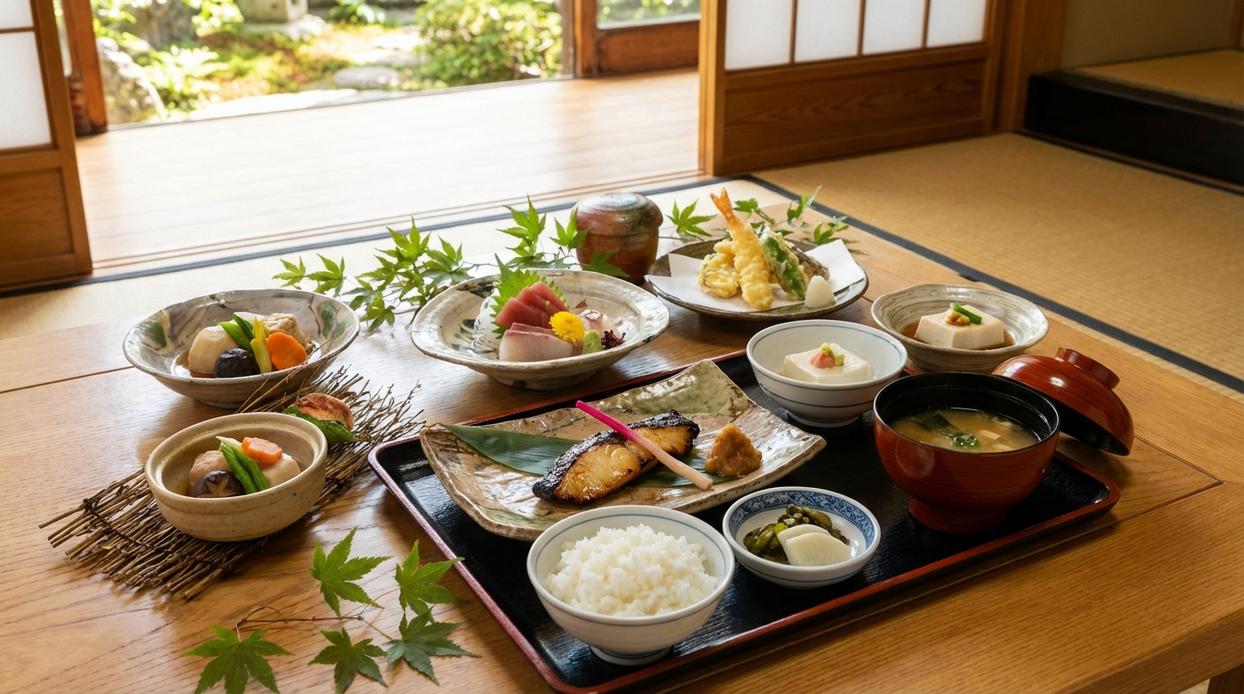
Gomae is a classic aemono—a Japanese dressed vegetable side—that quietly balances any meal. Light, nutty, and vibrant, it’s a staple of traditional Japanese home cooking because it delivers flavor without heaviness (the culinary equivalent of a perfectly timed supporting actor).
Ingredients
Fresh spinach, toasted sesame seeds, soy sauce, sugar, and a touch of mirin (optional).
First, master the blanching technique. Bring a large pot of salted water to a boil, then submerge the spinach for 30–45 seconds until just wilted but still bright green. Immediately transfer it to an ice bath. This “shocking” stops residual cooking and locks in color—something many quick recipes skip, resulting in dull greens.
Next comes the squeezing secret. Once cooled, gather the spinach into small bundles and firmly squeeze out every drop of water. Excess moisture dilutes flavor and prevents the dressing from clinging properly. Pro tip: squeeze twice—once whole, then again after cutting into 2-inch lengths.
Finally, prepare the dressing. Grind toasted sesame seeds until sandy and fragrant, then mix with soy sauce, sugar, and mirin. Toss gently.
Some argue bottled sesame dressing saves time. However, freshly ground seeds release aromatic oils that make gomae unmistakably authentic and deeply flavorful.
Recipe 3: Authentic Oyakodon (Chicken & Egg Rice Bowl)
Oyakodon literally means “parent-and-child bowl”—a poetic (and slightly dark) nod to chicken and egg served together over rice. In Japan, it’s the ultimate one-bowl comfort food: quick, affordable, and deeply satisfying. Think of it as the cozy sweatpants of dinner (simple, but you reach for it again and again).
Some argue that such a humble dish can’t compete with ramen or sushi for culinary prestige. But that misses the point. Oyakodon shines because it embodies traditional Japanese home cooking—balanced flavors, minimal waste, and respect for ingredients.
Ingredients
- Chicken thigh, thinly sliced
- Onion, thinly sliced
- Eggs, lightly beaten
- Cooked Japanese short-grain rice
- Simmering sauce (warishita): dashi, soy sauce, mirin, sugar
Flavorful Foundation
The warishita is a seasoned broth made by combining dashi (a light Japanese stock), soy sauce, mirin (sweet rice wine), and sugar. Bring it to a gentle simmer, then add onions and chicken. Cook until the chicken is tender and infused with savory-sweet depth. (Pro tip: thigh meat stays juicier than breast.)
Critics sometimes say bottled sauce is “good enough.” It works in a pinch—but freshly balanced sauce lets you control sweetness and salt, which makes a noticeable difference.
The Egg Technique
Pour half the lightly beaten egg over the simmering chicken. Let it just set. Then add the remaining egg and cook briefly so it stays soft and creamy—not scrambled.
Plating
Slide the entire mixture over hot rice. The sauce seeps into the grains, creating a silky, comforting finish worthy of seconds.
Your Journey into Japanese Home Cooking
You came here for real recipes—not watered-down shortcuts or vague ingredient lists that leave you guessing (we’ve all been there). Authentic Japanese cooking isn’t complicated; it’s precise. It starts with high-quality rice, seasonal vegetables, and, above all, dashi—the simple broth that quietly powers everything.
Now, instead of confusion, you have a complete meal: comforting miso soup, nutty Gomae, and a satisfying Oyakodon. That’s traditional Japanese home cooking in action.
So start small. Master dashi first. Then build from there. Before long, your kitchen will feel calmer, more intentional—and far more delicious. You’ve got this.
Bringing Traditional Japanese Flavors Into Your Kitchen
You came here to better understand traditional Japanese home cooking—the flavors, the techniques, and the thoughtful simplicity that make it so comforting and timeless. Now you have the foundation to recreate those balanced meals, master essential prep methods, and bring authentic taste to your own table.
If you’ve ever felt intimidated by unfamiliar ingredients or unsure about getting the flavors just right, you’re not alone. The beauty of Japanese home cooking lies in its simplicity—fresh ingredients, mindful preparation, and techniques that anyone can learn with the right guidance.
Now it’s your turn to take action. Start with one classic dish, practice the core techniques, and build your confidence meal by meal. For step-by-step guidance, flavor-packed tips, and trusted kitchen hacks that make global cooking approachable, explore more of our expertly crafted recipes and tutorials. Join thousands of home cooks who rely on us for practical, flavorful results—discover your next favorite dish today.