
If you’re looking to save time in the kitchen, reduce food waste, and make home-cooked meals more consistent, mastering batch cooking basics is the smartest place to start. Many home cooks struggle with weeknight meal stress, last-minute takeout decisions, and ingredients going unused. This article is designed to solve that problem by walking you through practical, easy-to-follow strategies that make cooking ahead simple and sustainable.
We break down what batch cooking really means, how to plan efficiently, which foods hold up best, and how to store and reheat meals without sacrificing flavor or texture. You’ll also learn foundational techniques that apply across global cuisines, helping you build variety into your weekly routine.
Our guidance is grounded in hands-on culinary experience, tested kitchen workflows, and proven food prep methods that prioritize both flavor and food safety. By the end, you’ll have a clear, confident system for turning a few focused cooking sessions into a week of satisfying meals.
Reclaim Your Week
It is 5 PM. You are tired, hungry, and staring into the fridge like it owes you answers. The result is often pricey takeout and low grade guilt. Meal prepping simply means cooking food ahead of time so weeknights feel CALM instead of chaotic. Think of it as planning tomorrow’s dinner today. Using batch cooking basics, you prepare staples like rice, roasted vegetables, and proteins in one session, then mix and match. This saves money, reduces stress, and protects your time. Start small, label containers, and store portions properly. Simple systems beat willpower every single time, consistently.
The Foundation: Your 5-Step Meal Prep Game Plan
A few years ago, I tried to prep every single meal for an entire week in one ambitious Sunday sprint. By Wednesday, I was tired of my own cooking and eyeing takeout menus like they were treasure maps. That failure taught me something important: meal prep isn’t about perfection. It’s about sustainability.
Step 1: Start Small, Win Big
The fastest way to burn out is the “all-or-nothing” mindset (you know, the one that says if you can’t prep everything, why bother?). Instead, prep just one or two meals—like weekday lunches or dinners.
This builds what psychologists call a habit loop—a repeated behavior that becomes automatic over time (Duhigg, The Power of Habit). When you start small, you create consistency. Consistency beats intensity every time.
Step 2: The Art of the Simple Menu
Choose recipes that share ingredients and reheat well. Think:
- Grain bowls
- Soups and stews
- Roasted vegetables
- Simple proteins like baked chicken or tofu
Sample 3-Day Menu Plan:
- Day 1: Quinoa bowl with roasted vegetables and chicken
- Day 2: Chicken and veggie wrap with leftover roasted vegetables
- Day 3: Vegetable and quinoa soup using remaining ingredients
Notice the overlap? Fewer ingredients, less waste, more flexibility (and fewer sad, forgotten herbs in the fridge drawer).
Step 3: Shop with a Strategy
Organize your grocery list by store section: produce, protein, pantry, dairy. This reduces impulse buys—a real phenomenon retailers design for (Harvard Business Review, 2015). When I started grouping my list this way, my grocery bill noticeably dropped.
Pro tip: Shop after a meal, not before. Hunger makes everything look essential.
Step 4: Master Batch Cooking
At its core, meal prep runs on batch cooking basics: cook foundational ingredients in large quantities and remix them all week.
Examples:
- A big pot of quinoa
- Roasted chicken breasts
- A tray of mixed vegetables
These become building blocks. One night it’s a bowl, the next it’s a wrap, then a soup. Same base, different vibe (like outfit repeating, but culinary).
Step 5: Choose Your Containers Wisely
Containers matter more than you think.
Glass: Durable, microwave-safe, doesn’t absorb odors—but heavier.
Plastic: Lightweight and affordable—but can stain and warp.
Look for airtight seals to preserve freshness. Portion-controlled containers are a game-changer because they visually guide balanced meals (and prevent the accidental “family-size” serving).
Start small. Keep it simple. Build from there. That’s the real foundation.
Level Up Your Prep: Techniques for Flavor and Flexibility
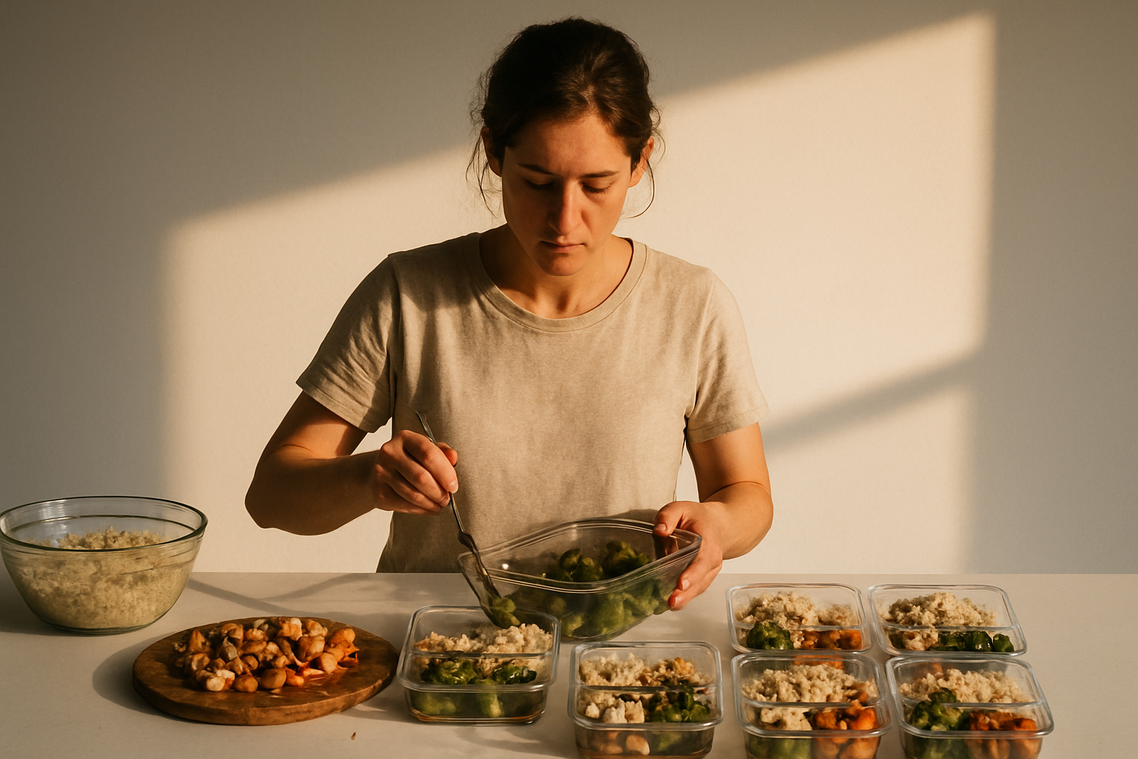
Meal prep can feel confusing at first, so let’s clarify two common approaches.
Component Prepping vs. Full Meals
Full meals are exactly what they sound like: complete, ready-to-eat dishes portioned into containers. Think chicken, rice, and broccoli—heat and go. Component prepping, on the other hand, means preparing individual elements (like chopped vegetables, cooked grains, or pre-made sauces) that you mix and match later. In simple terms, full meals maximize convenience; components maximize flexibility. If you get bored easily (and most of us do by Thursday), component prepping lets you turn roasted veggies into tacos one night and grain bowls the next.
Some argue full meals save more time overall. That’s true—if you’re fine eating the same thing repeatedly. But if variety keeps you consistent, components often win.
Preserving Freshness and Texture
Now, texture is where many preps fail. Soggy salads and mushy pasta aren’t inevitable—they’re preventable. Store dressings separately to avoid limp greens. Slightly undercook pasta so it finishes cooking when reheated. Add fresh herbs right before serving to preserve aroma and brightness (dried herbs behave differently because they release flavor during cooking). For more guidance, review these must know food storage tips to extend shelf life.
The Power of the Freezer
Finally, don’t underestimate your freezer. Soups, sauces, chilis, and marinated meats freeze exceptionally well because their moisture content protects texture. To prevent freezer burn (dehydration caused by air exposure), cool food completely and remove excess air before sealing. Pro tip: freeze sauces flat in zip bags—they stack neatly and thaw faster.
Mastering these batch cooking basics makes your prep practical, not repetitive.
Beyond Dinner: Prepping for the Entire Day
Dinner gets the spotlight, but mornings and snack attacks are where most healthy intentions unravel (usually before 10 a.m.). Research from the CDC shows adults who eat breakfast regularly are more likely to meet daily nutrient requirements and maintain healthier body weight patterns.
Breakfast on the Go
Using batch cooking basics, you can prep once and win the week.
- Overnight oats: Combine oats, milk, and fruit in jars for five ready-to-grab meals.
- Egg muffins: Bake eggs with spinach and peppers in a muffin tin; refrigerate up to four days.
- Smoothie packs: Pre-portion frozen fruit and greens so mornings require only blending.
A 2019 study in Nutrients linked meal prepping with improved diet quality and variety.
Smarter Snacking
Planned snacks reduce impulsive, ultra-processed grazing.
- Portioned nuts (about 1 ounce)
- Washed, cut fruit
- Hard-boiled eggs
- Individual hummus cups with veggie sticks
Pro tip: Keep prepped snacks at eye level in the fridge (out of sight truly is out of mind).
Kitchen chaos doesn’t have to be your normal. Meal prepping hands you back control of your time, budget, and health—no more 6 p.m. panic staring into the fridge. The real win? Ending stressful, last-minute meal decisions that drain willpower and dollars.
I believe consistency beats perfection every single time. One container prepped is a victory. Start with batch cooking basics and build from there (yes, even if it’s just rice and roasted veggies).
Pick one tip this weekend:
- Plan one meal
- Shop once
- Prep once
Try it. Future you will feel calmer by Monday. You’ve got this.
Bring Simplicity Back to Your Kitchen
You came here looking for a practical way to make mealtime easier, more organized, and less stressful. Now you have the foundations to plan smarter, prep efficiently, and turn simple ingredients into flavorful, reliable dishes using batch cooking basics.
The real frustration isn’t cooking itself — it’s the daily scramble. The last-minute decisions. The wasted ingredients. The feeling that you’re always behind in your own kitchen. With the right prep strategy, that pressure disappears. You save time, reduce waste, and always have something delicious within reach.
Now it’s your move. Pick one day this week, plan a few core recipes, and put these techniques into action. Start small, stay consistent, and build momentum.
If you’re ready to stop stressing about what’s for dinner and start cooking with confidence, explore more of our kitchen-tested guides and meal prep strategies today. Join thousands of home cooks who’ve already simplified their routine — and take control of your kitchen now.