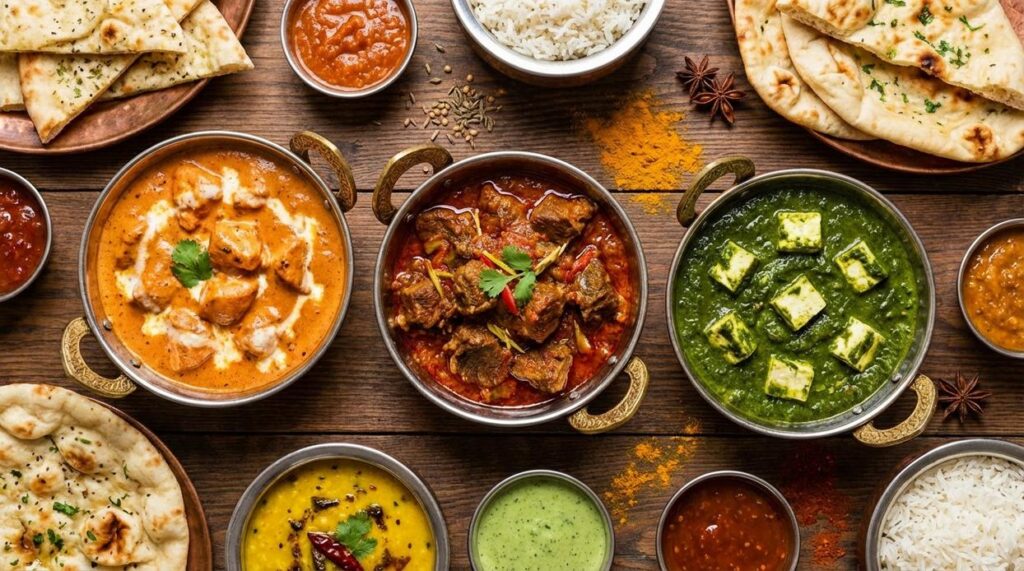
Indian cuisine is often summed up in one word—curry—but that barely scratches the surface. In reality, Indian curries span a rich spectrum of regional traditions, techniques, and flavor profiles. From the creamy tomato base of Butter Chicken to the fiery tang of Vindaloo, the aromatic depth of Korma, the vibrant greens of Saag, and the smoky richness of Tikka Masala, each tells a different story. This guide breaks down these iconic styles into clear, approachable insights. Drawing on years of hands-on culinary exploration and recipe analysis, we’ll help you understand what sets them apart—so you can order confidently or start cooking with purpose at home.
Northern India’s cuisine is all about depth, comfort, and layered indulgence. Characterized by generous use of yogurt, cream, and paneer, along with a slow-cooked base of tomatoes and onions, these dishes deliver richness balanced by moderate heat. In other words, you get bold flavor without overwhelming spice (a win for both adventurous eaters and cautious tasters).
At the heart of many Indian curry styles are foundational spices such as garam masala—a warming blend of ground spices—turmeric for earthiness and color, cumin and coriander for citrusy warmth, and ghee, a clarified butter that adds nutty aroma. Together, they create a flavor structure that feels both luxurious and deeply satisfying.
Consider Butter Chicken (Murgh Makhani), Rogan Josh, Palak Paneer, and Chana Masala. Each showcases how dairy, spices, and slow cooking transform simple ingredients into memorable meals. Better yet, mastering these dishes gives you versatile bases you can adapt to vegetables, legumes, or proteins already in your kitchen.
A key technique is bhuna—slow-sautéing the onion-tomato mixture until the oil separates. This step intensifies flavor and builds complexity. Pro tip: don’t rush the bhuna; patience here rewards you with restaurant-quality depth at home.
Southern India: Fiery, Tangy, and Coconut-Forward Flavors
Southern India’s cuisine doesn’t whisper—it crackles, sputters, and blooms with aroma the moment it hits hot oil. The flavor profile leans boldly spicy, sharpened by the tang of tamarind and mellowed by the creamy sweetness of coconut milk and freshly grated coconut. Every bite feels layered: heat first, then sour brightness, then a gentle, nutty finish (the kind that makes you immediately reach for another spoonful).
Key Spices & Signature Sensations
Mustard seeds pop like tiny firecrackers in hot oil. Curry leaves release a woodsy, citrusy perfume. Red chilies bring a slow-building heat, while asafoetida (hing)—a pungent resin used in pinches—adds deep, savory complexity. Tamarind pulp stains curries a rich amber-brown and delivers that lip-smacking tang.
In Chettinad Chicken, spices cling thickly to tender meat, smoky and intense. Sambar steams with lentils and vegetables, hearty and comforting. Avial feels lush and vegetal, coconut binding everything together. Kerala Fish Curry tastes briny, fiery, and slightly sour—like the sea met a spice market.
Pro tip: Master the tadka (tempering). Heat oil or ghee, fry mustard seeds and curry leaves until fragrant, then pour over your dish for a glossy, aromatic finish.
Among Indian curry styles, Southern flavors stand out for their vibrant heat and coconut-kissed depth.
Eastern India: Pungent, Subtle, and Seafood-Centric
When I think of Eastern India, I think of contrast. The flavors are bold yet restrained, sharp yet comforting. Unlike heavier gravies found elsewhere, curries here are lighter and more broth-like, allowing ingredients to shine. In my opinion, that balance is what makes this region unforgettable.
At the heart of the cuisine is panch phoron—a whole-spice blend of fenugreek, nigella, cumin, black mustard, and fennel seeds. Tempered in pungent mustard oil (which can surprise first-timers), it releases a nutty, slightly bitter aroma. Mustard paste and poppy seeds add body and depth without overwhelming heat.
Take Macher Jhol, a simple fish curry that proves minimalism works. Or Shorshe Ilish, where hilsa meets a sharp mustard gravy. Then there’s Chingri Malai Curry, prawns simmered in coconut cream—luxurious but not heavy.
Some argue Eastern flavors are too subtle compared to other Indian curry styles. I disagree; subtlety here is sophistication. For more global spice journeys, explore discovering west african dishes rich in history and spice.
Western India delivers a BOLD contrast of sweet, sour, and coastal heat. From Goa’s vinegar-laced curries to Gujarat’s jaggery-kissed dals, every bite balances intensity with nuance. This diversity isn’t accidental; it’s rooted in climate, trade, and centuries of cross-cultural exchange.
Kokum—a deep-purple souring agent—adds a clean, fruity tang to Goan Fish Curry, while coconut lends body and subtle sweetness. Peanuts thicken Gujarati gravies, creating richness without cream (a clever pantry hack). Region-specific blends like Goan Xacuti masala layer toasted spices, dried chilies, and seeds for unmistakable aroma.
Signature dishes such as Vindaloo — a fiery Goan-Portuguese specialty — and Malvani Mutton Curry showcase how Indian curry styles evolve with local ingredients. Some argue the sweetness in Gujarati cuisine dulls spice, but that touch actually heightens contrast (think salted caramel). Pro tip: toast whole spices before grinding to unlock MAXIMUM flavor. Ready to taste the coastline? Dive in and explore.
Beyond Regions: Pan-Indian Curry Favorites
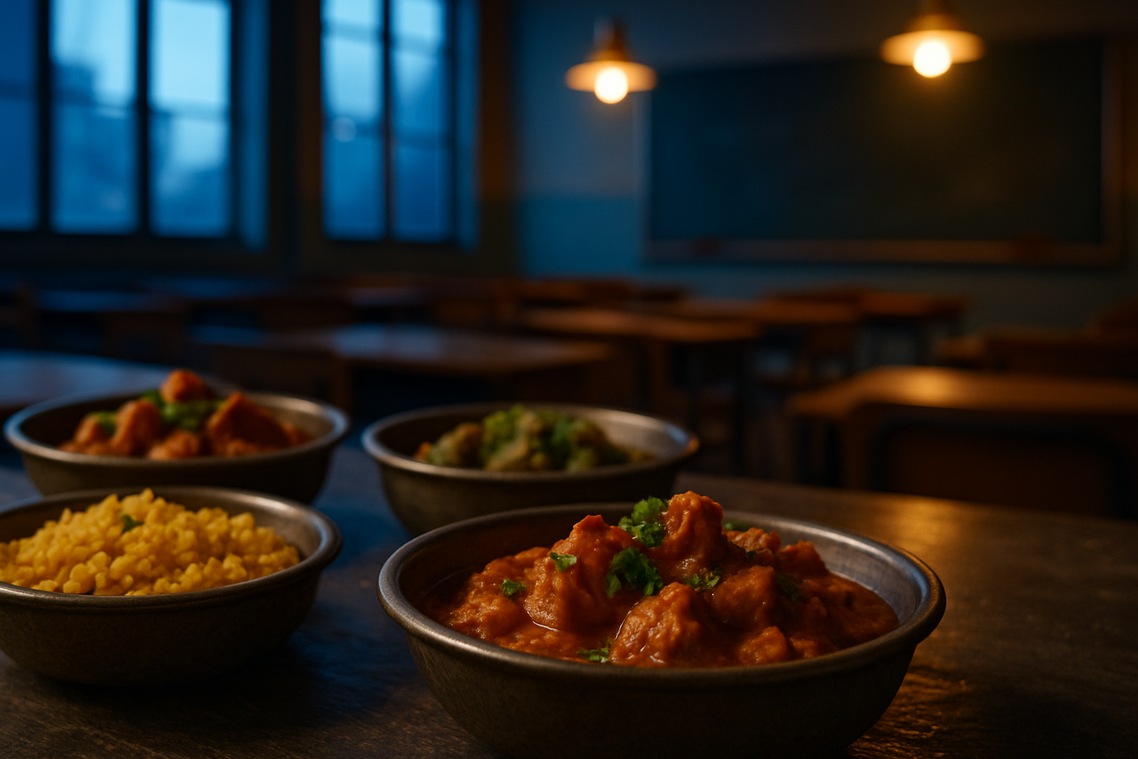
Some curries travel so well they almost forget their birthplace. Korma, for instance, is a mild, yogurt- or nut-based gravy rooted in Mughal kitchens; think slow cooking, gentle spices, and a silky finish. Tikka Masala confuses people because it sounds ancient, yet its creamy tomato sauce was popularized in the UK, then embraced worldwide (yes, culinary passport stamped). Kofta simply means spiced dumplings, usually meat or paneer, simmered in sauce. These dishes prove flavor can cross borders without losing identity, turning regional recipes into shared comfort food. They anchor menus from Delhi to London today.
Your Culinary Adventure Awaits
You came here looking to make sense of the vast, vibrant world of Indian curries—and now you have a clear path forward. What once felt like a single, confusing label is now a rich landscape of regional traditions, unique spices, and distinct cooking techniques. The mystery around “curry” has been replaced with confidence.
Understanding these regional foundations is the key to unlocking truly authentic flavors in your own kitchen. Instead of guessing, you can now cook with purpose.
Don’t let that inspiration fade. Choose one region that intrigued you most and try a simple recipe this week. Your next unforgettable meal starts at home—so grab your spices and begin.