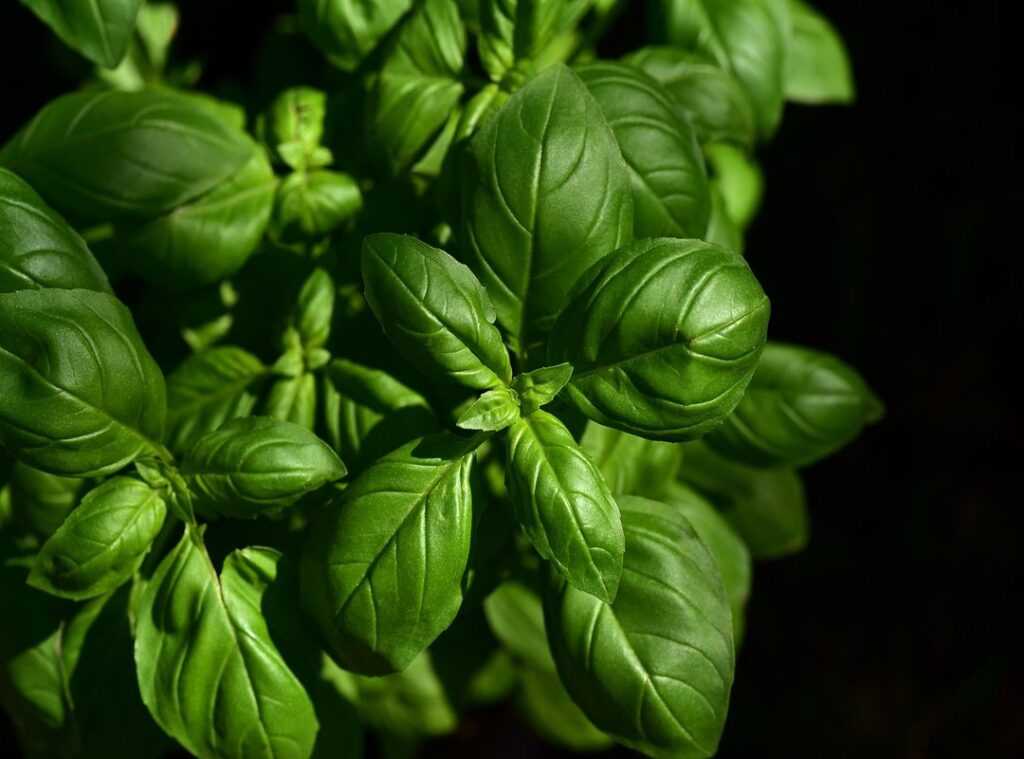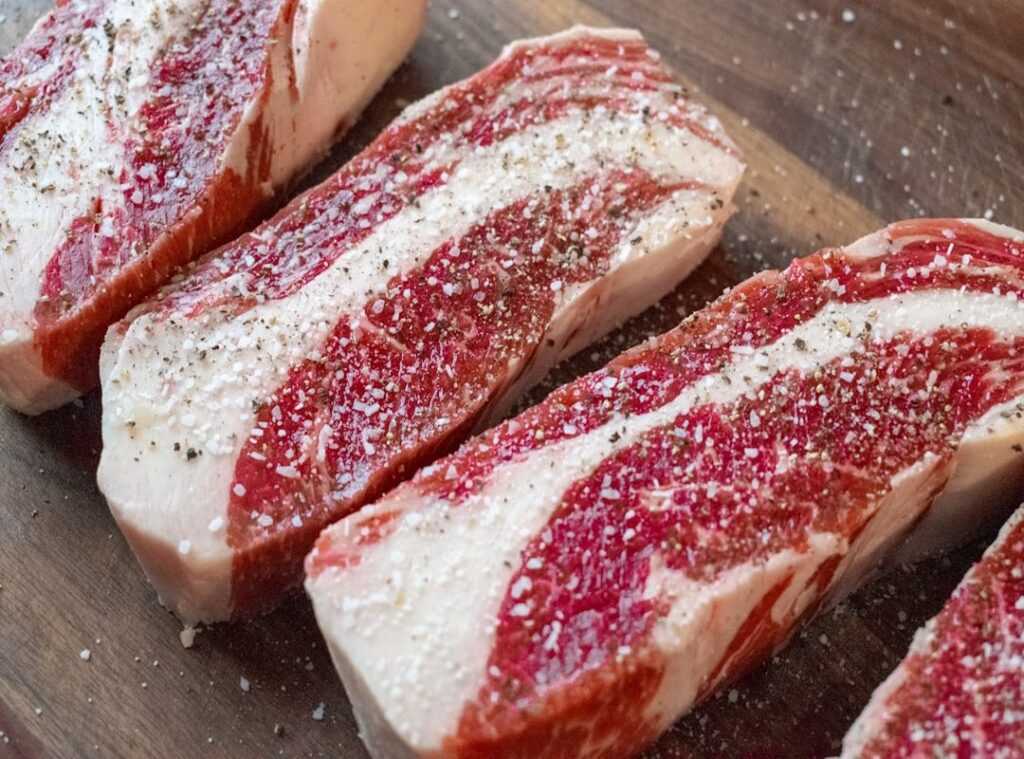
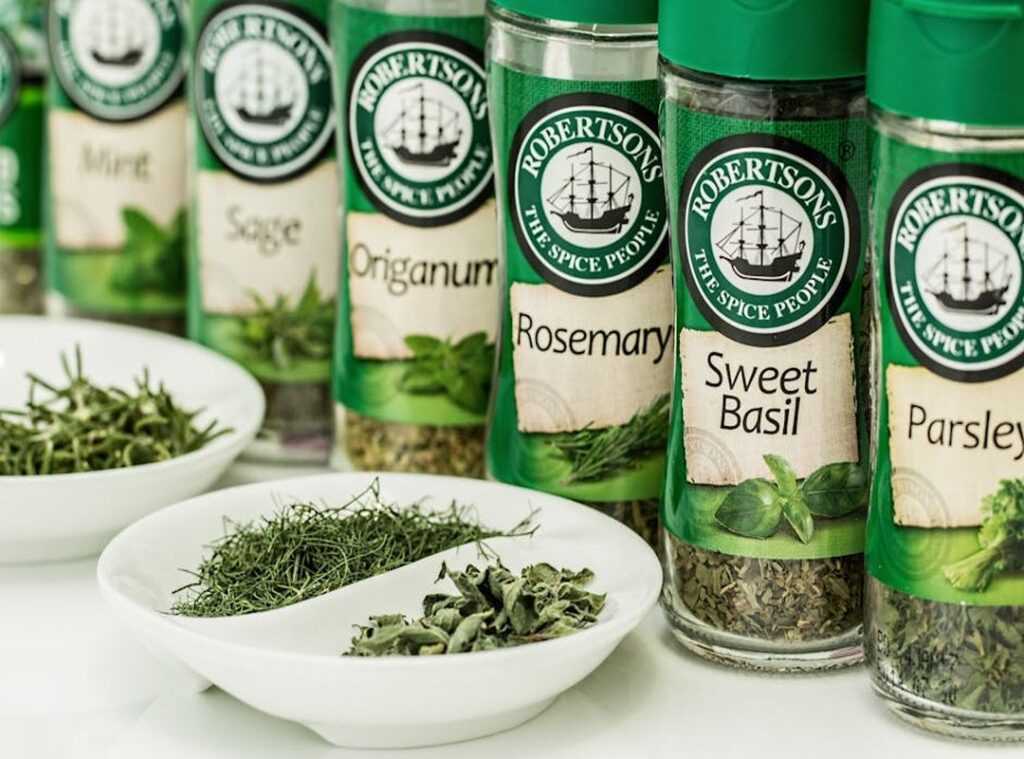
Close your eyes. Picture a kitchen alive with colors and scents (turmeric’s) golden glow, the rich red of paprika, and the aroma of cumin dancing in the air. Now, ask yourself: why are you still stuck with just salt and pepper?
Many home cooks (maybe even you) miss the world of flavors waiting in global seasonings. It’s not just about spicing up your dish; it’s about transforming your cooking into something memorable.
I’ve spent years diving into culinary traditions worldwide, tasting and experimenting with seasonings that challenge the ordinary. You trust someone who’s been there, right? So, let me share what I’ve learned.
The secret to unforgettable meals lies in the art of cooking with spices. This isn’t just a fancy way to impress guests. It’s about experiencing new cultures right from your kitchen.
Imagine cooking up a storm that transports you to faraway places with just one bite. That’s the magic we’re exploring here. I’ll guide you through using seasonings to raise your dishes beyond the basic.
By the end of this article, you’ll feel empowered to leave the mundane behind. Get ready to transform your cooking into a flavorful adventure.
The Spice of Life: Unraveling Seasonings
Let’s get one thing straight: seasonings are the backbone of cooking. They’re the unsung heroes turning ordinary meals into unforgettable experiences. Ever tried cooking with spices?
It’s like opening a doorway to a world of flavors. From salt and pepper to exotic cardamom and cumin, seasonings define cuisine, culture, and sometimes even identity.
Seasonings are more than just salt and pepper shakers in your pantry. They’re any substance added to food to boost its taste. Think of them as the magic dust that can raise a basic dish to something worth writing home about.
They’ve been passed down through generations, like your grandma’s secret stew recipe. Whether it’s the heat of chili in Mexican dishes or the fragrant zest of lemongrass in Thai cuisine, seasonings create distinct culinary traditions around the globe.
Take garlic, for instance. It’s not just a vampire deterrent. It’s a flavor powerhouse that adds depth to pasta sauces, soups, and more.
And ginger? It gives zing to everything from cookies to stir-fry. It’s these details in flavor profiles that make each dish unique.
They bring warmth, sweetness, bitterness. All depending on the seasoning used.
You might be wondering, can simple seasonings make a difference? Absolutely. A dash of salt can heighten sweetness in desserts, while a sprinkle of paprika can transform roasted potatoes.
It’s all about balance and knowing what flavors complement each other.
Want to get more adventurous with flavors? Consider mastering art of searing meat. The right seasoning can make all the difference in a perfectly cooked steak.
So next time you’re in the kitchen, remember: the power of seasonings is in your hands. Don’t be afraid to experiment and discover new taste sensations.
Spice Journeys: Global Flavors Explored
Diving into the world of global cuisines is like opening a treasure chest of flavors. Different cultures have unique seasonings that tell their culinary stories. Take Garam Masala from India.
Just a pinch can transform a dish with its warm, aromatic blend of spices. Or consider the French with their elegant Herbes de Provence. An important mix that brings a touch of the Mediterranean to any meal.
What about Za’atar from the Middle East? This earthy mix with thyme, sumac, and sesame seeds is a staple on flatbreads and salads. It’s like a culinary passport.
One sprinkle and you’re transported to another part of the world.
But how do you bring these spices into your own kitchen? Start by not being afraid to experiment. These flavors aren’t just for exotic dishes; they can brighten up your everyday cooking.
If you’re roasting chicken, try adding Garam Masala instead of your usual spices. Suddenly, your dinner is a trip to India.
Pro tip: don’t mix too many spices at once. Let each one shine. Herbes de Provence can turn simple roasted vegetables into something special.
Just a sprinkle before baking makes all the difference.
And if you’re unsure about how to balance these spices, check out trusted resources on cooking with spices. Understanding the dos and don’ts helps you avoid overpowering your dishes.
Cooking with spices isn’t just about taste; it’s about embracing cultures and traditions. When you open a jar of Za’atar, you’re not just seasoning a salad. You’re connecting with a rich history of flavor.
So, next time you’re in the kitchen, grab a new spice. Challenge yourself. Discover the world one dish at a time.
You’ll soon find that these seasonings aren’t just ingredients. They’re stories waiting to unfold in your culinary adventures.
Spice Up Your Cooking: Unlocking Flavor Secrets
Let’s face it, cooking with spices can be a game-changer. But are you really getting the most out of them? Here’s the thing: most people just sprinkle and call it a day.
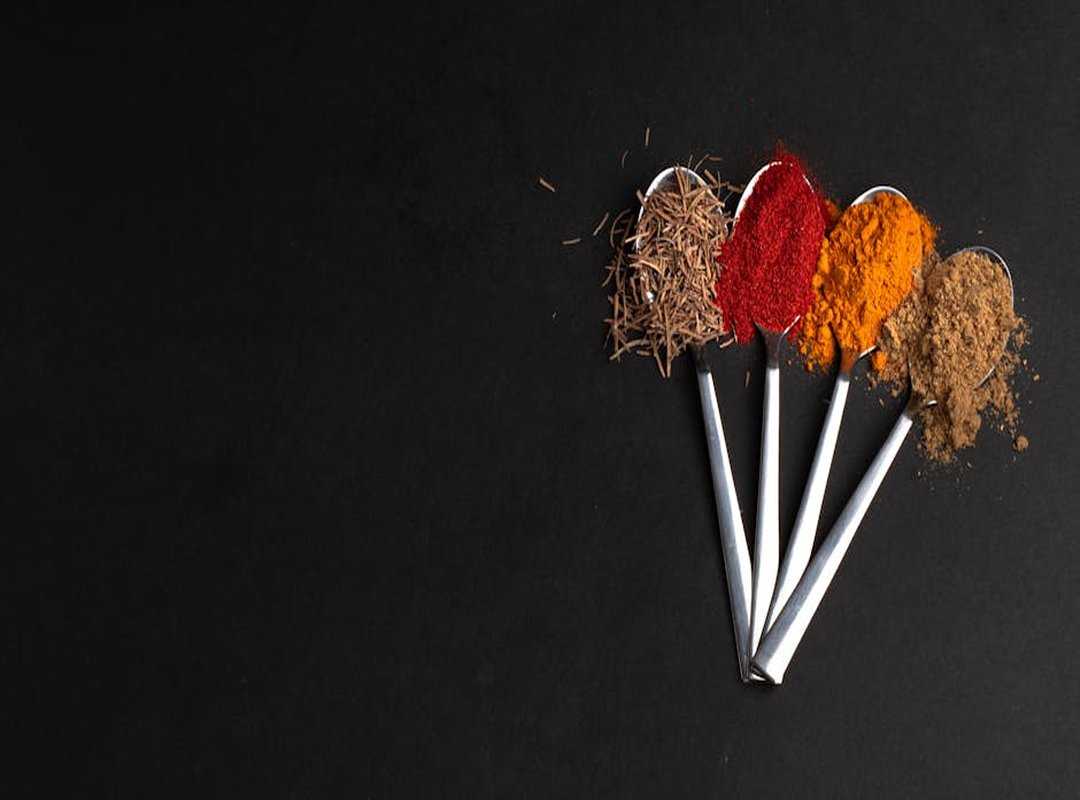
That’s a mistake. You need to toast those spices. Heat releases oils, making flavors pop.
Ever tried grinding your own spices? It’s not just for hipsters. Grinding fresh spices can transform a dish from bland to bold.
Now, blending. This is where you get to play mad scientist. Combine spices in ways that make sense to you.
Want to create your own curry mix? Go for it. The key is balance.
Too much of one spice can overpower everything. But don’t let fear stop you from experimenting. It’s like finding the perfect playlist.
Sometimes you need to mix things up to find what works.
Pro tip: Keep a notebook of your combinations. You’ll thank yourself later when you stumble upon the perfect mix. Balancing flavors is an art and a science.
Acid, salt, and sweetness all play roles. You need to taste as you go. Ever wonder why some dishes just sing?
It’s all about that balance.
Oh, and speaking of balance, ever pondered the difference between stock and broth? It’s a common mystery in the kitchen. If you’re curious, check out stock vs broth whats the difference.
It might just change how you think about your next soup or stew.
In the end, cooking with spices is about discovery. Don’t hold back. Let your taste buds lead the way.
Spice It Up: Craft Your Signature Blend
Cooking with spices can be daunting. I get it. You grab a jar, sprinkle a bit, and hope for magic.
But what if you could create your own magic?
First, think about your favorite flavors. Are you a fan of spicy, sweet, or savory? Your taste buds are unique, and so should be your seasoning blends.
Start small. Mix a teaspoon of this with a dash of that. Don’t stress about it.
Just start experimenting.
Why bother creating your own blends? Customizing spices for specific dishes or cuisines changes everything. Imagine having a signature seasoning for your best pasta dish or grilling masterpiece.
It’s like having your own culinary fingerprint. Plus, no more bland meals (life’s too short for that).
Keep a notebook handy. Jot down what works and what doesn’t. Over time, you’ll refine your blend to perfection.
It’s all about trial and error. Trust me, you’ll thank yourself later.
Pro tip: Roast your spices before blending them. It enhances their flavor tenfold. Seriously, try it.
Remember, this is your kitchen lab. Go wild. The worst that can happen?
You learn what doesn’t work. But when you nail it, those taste buds will dance.
Spice Up Your Culinary Adventure
Seasonings transform ordinary dishes into extraordinary experiences. Dive into the world of cooking with spices and discover new flavors. Why stick to the usual?
Experiment in your kitchen. Embrace the global spice palette. Open up the secrets of flavor.
Visit tbfoodcorner.com and start your delicious journey today. Your taste buds will thank you.
 Founder & Culinary Director
Othric Quenvale has opinions about corner culinary techniques. Informed ones, backed by real experience — but opinions nonetheless, and they doesn't try to disguise them as neutral observation. They thinks a lot of what gets written about Corner Culinary Techniques, Flavorful Cooking Foundations, Kitchen Prep Hacks is either too cautious to be useful or too confident to be credible, and they's work tends to sit deliberately in the space between those two failure modes.
Reading Othric's pieces, you get the sense of someone who has thought about this stuff seriously and arrived at actual conclusions — not just collected a range of perspectives and declined to pick one. That can be uncomfortable when they lands on something you disagree with. It's also why the writing is worth engaging with. Othric isn't interested in telling people what they want to hear. They is interested in telling them what they actually thinks, with enough reasoning behind it that you can push back if you want to. That kind of intellectual honesty is rarer than it should be.
What Othric is best at is the moment when a familiar topic reveals something unexpected — when the conventional wisdom turns out to be slightly off, or when a small shift in framing changes everything. They finds those moments consistently, which is why they's work tends to generate real discussion rather than just passive agreement.
Founder & Culinary Director
Othric Quenvale has opinions about corner culinary techniques. Informed ones, backed by real experience — but opinions nonetheless, and they doesn't try to disguise them as neutral observation. They thinks a lot of what gets written about Corner Culinary Techniques, Flavorful Cooking Foundations, Kitchen Prep Hacks is either too cautious to be useful or too confident to be credible, and they's work tends to sit deliberately in the space between those two failure modes.
Reading Othric's pieces, you get the sense of someone who has thought about this stuff seriously and arrived at actual conclusions — not just collected a range of perspectives and declined to pick one. That can be uncomfortable when they lands on something you disagree with. It's also why the writing is worth engaging with. Othric isn't interested in telling people what they want to hear. They is interested in telling them what they actually thinks, with enough reasoning behind it that you can push back if you want to. That kind of intellectual honesty is rarer than it should be.
What Othric is best at is the moment when a familiar topic reveals something unexpected — when the conventional wisdom turns out to be slightly off, or when a small shift in framing changes everything. They finds those moments consistently, which is why they's work tends to generate real discussion rather than just passive agreement.