
A handful of the right spices can turn simple ingredients into unforgettable meals. Yet for many home cooks, the spice aisle feels overwhelming—or worse, their cabinets are filled with jars they barely use. The truth is, you don’t need dozens of options to cook with confidence. You just need the essential kitchen spices that deliver maximum flavor and versatility. This guide simplifies your choices with a curated list of must-haves, explaining exactly what to buy, how each spice tastes, and how to use them to instantly elevate your everyday cooking.
The Foundational Trio: Salt, Pepper, and Garlic
When people talk about essential kitchen spices, they usually mean this trio. First, black pepper earns its crown for a reason. Its sharp, pungent bite comes from piperine (the compound responsible for heat), and freshly cracked peppercorns taste brighter because their volatile oils haven’t faded. Pre-ground pepper, by contrast, loses aroma quickly—think flat soda versus sparkling.
Next, kosher salt isn’t technically a spice, yet it’s the backbone of flavor. Its larger, flaky crystals make it easier to pinch and control, so you season evenly instead of over-salting. Just as importantly, salt draws out moisture through osmosis, helping meat brown and vegetables crisp.
Finally, garlic powder is the quiet workhorse. It’s savory with a subtle sweetness, milder than fresh garlic. Because it’s dried, it won’t burn in dry rubs, marinades, or seasoned breadcrumbs—where fresh cloves might scorch (and turn bitter). Together, these three simplify cooking without sacrificing depth.
Warmth and Earthy Depth: Cumin, Paprika, and Chili Powder
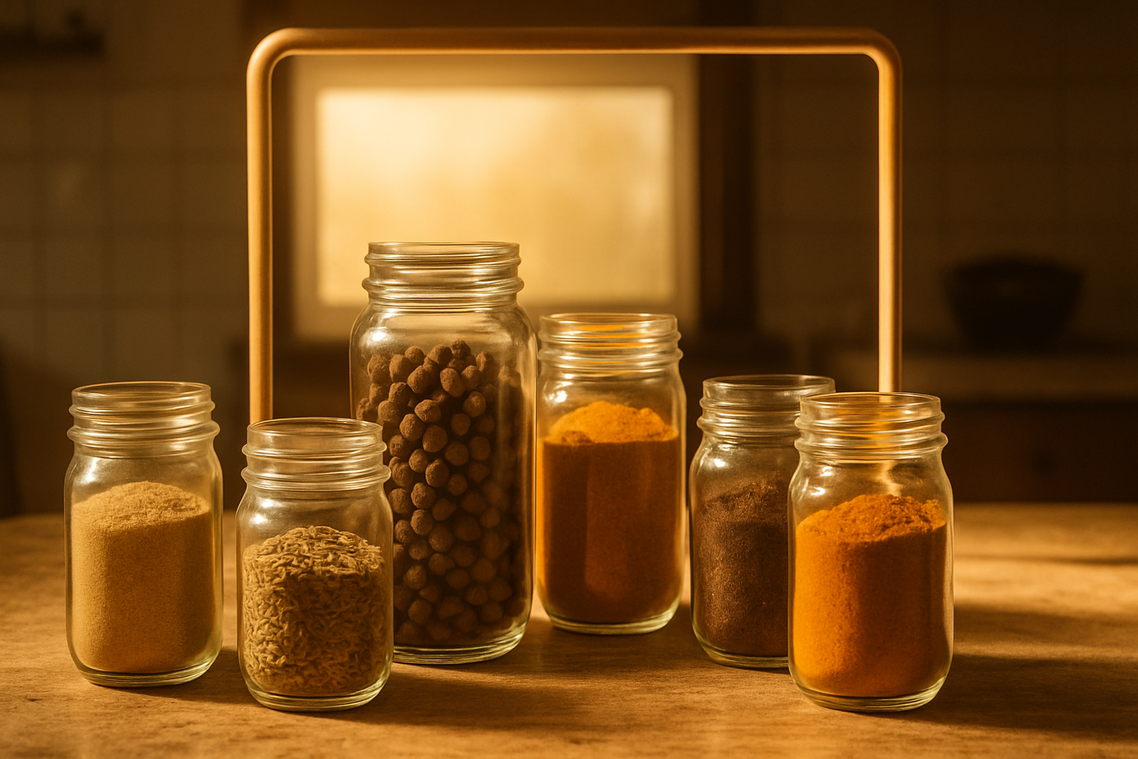
I once ruined a pot of chili by dumping in a tablespoon of cumin instead of a teaspoon. The result? Bitter, dusty, overpowering. Lesson learned: cumin is earthy, nutty, and slightly spicy—but it demands balance. A cornerstone of Mexican, Indian, and Middle Eastern cuisines, cumin adds depth to tacos, curries, roasted vegetables, and hearty stews. (Think of it as the bass line in a song—subtle, but everything falls apart without it.)
Paprika taught me another lesson. I used sweet paprika expecting heat and wondered why my dish tasted mild. There are three main types:
- Sweet paprika: mild, slightly fruity
- Smoked paprika: rich, smoky, almost bacon-like
- Hot paprika: sharper heat
They shine in deviled eggs, goulash, and rubs for chicken or pork.
Then there’s chili powder—not just ground chiles but a blend, often with ancho chile, cumin, oregano, and garlic powder. I once swapped it 1:1 for cayenne (big mistake). Chili powder brings mild-to-medium heat and complexity, perfect for chili con carne, enchilada sauce, and Tex-Mex dishes.
Mastering these essential kitchen spices means tasting as you go—and respecting their strength.
Dried oregano delivers a bold, peppery, robust flavor that actually intensifies as it dries. Fresh oregano can taste grassy, but the dried version is deeper and slightly bitter, making it a Mediterranean powerhouse. Think pizza sauces, pasta sauces, Greek salad dressing, and roasted meats. In a side‑by‑side comparison, oregano is the assertive lead singer—hard to ignore.
Dried thyme, by contrast, is subtle, earthy, and faintly minty. It blends effortlessly with other herbs without overpowering them, which makes it ideal for stews, soups, poultry dishes, and roasted root vegetables. If oregano dominates, thyme harmonizes (the quiet genius of the group).
Dried basil sits somewhere between sweet and peppery, with hints of anise. Unlike fresh basil, dried basil benefits from heat; add it during cooking so its flavor can bloom. It shines in tomato-based sauces, soups, and Italian seasoning blends. Pro tip: crush dried basil between your fingers before adding to release aromatic oils.
Together, these essential kitchen spices show how balance works in practice—learn more about understanding the five basic tastes and how to balance them to season with confidence. Choosing between them depends on whether you want bold impact or layered nuance in your dish. Taste, test, adjust accordingly.
Sweet Heat and Fragrance: Cinnamon, Ginger, and Onion Powder
Some flavors are easy to recognize but harder to explain. Let’s break down three essential kitchen spices in clear, practical terms.
Ground Cinnamon delivers a sweet, woody warmth. “Woody” simply means it carries a subtle aroma similar to tree bark (because it is bark). While many associate it with oatmeal or coffee, cinnamon isn’t limited to desserts. In Moroccan tagines or chili, it adds depth without making a dish taste sugary. Think of it as background music—noticeable, but not overpowering. A light sprinkle in a spice rub can round out smoky flavors beautifully.
Ground Ginger is pungent and spicy, but in a dry, concentrated way. Fresh ginger tastes bright and slightly citrusy, while the dried version feels warmer and more direct. That’s why it shines in gingerbread and pumpkin spice blends, yet also holds its own in marinades and stir-fries. If fresh ginger is a spark, ground ginger is a steady flame.
- Onion Powder provides sweet-savory onion flavor without moisture or texture.
This makes it ideal for soups, dressings, dry rubs, and burgers where you want flavor evenly distributed (no unexpected onion chunks). It dissolves smoothly, creating balance in every bite.
Unlocking a World of Flavor
You started this journey to make sense of a cluttered, confusing spice rack—and now you have a clear, practical roadmap. By focusing on a handful of essential kitchen spices, you’ve discovered that confident, flavorful cooking doesn’t require dozens of exotic jars. It requires understanding the right foundations.
No more second-guessing which spice to grab. No more bland meals because you weren’t sure what works together. This curated approach replaces overwhelm with clarity and turns everyday ingredients into vibrant, satisfying dishes.
The truth is, you don’t need an overflowing cabinet to cook incredible food. These core spices are the backbone of countless recipes across cuisines, giving you flexibility, creativity, and control in the kitchen.
Now it’s your move: choose one new spice from the list this week, find a simple recipe that features it, and start experimenting. Great cooking begins with a single pinch—take that step today and unlock a whole new world of flavor.