
If opening your fridge feels like facing a cluttered puzzle of half-used ingredients and forgotten leftovers, you’re not alone. A disorganized fridge doesn’t just look messy—it costs you time, wastes money, and makes everyday cooking more stressful than it needs to be. The good news? You can organize your refrigerator with a simple, zone-based system that transforms chaos into efficiency. This guide walks you through practical, tested methods used by culinary experts to keep food visible, accessible, and fresher for longer—so every ingredient earns its place and nothing gets lost in the back again.
The Foundation: A Clean Slate is Non-Negotiable
First things first, take everything out. Yes, everything. A half-empty ketchup bottle from 2022? Out. That leftover pasta you might eat? Out. Start by sorting items into three groups: keep, toss, and questionable. Check expiration dates and, more importantly, trust your senses—if it smells off or looks suspicious, it’s done (your nose rarely lies).
Next, remove shelves and drawers. Wash them with warm water and a food-safe solution of one part vinegar to three parts water. This natural disinfectant helps cut grease and neutralize odors. Dry thoroughly before replacing.
Meanwhile, wipe down the interior walls and seals where crumbs and spills hide. This reset prevents bacteria growth and lingering smells before you organize your refrigerator.
In other words, you’re not just cleaning—you’re creating a safe, fresh baseline. Pro tip: place an open box of baking soda inside afterward to absorb future odors.
Mapping Your Fridge: Understanding Temperature Zones
Have you ever wondered why your milk spoils faster than the date on the carton promises? The answer might not be freshness—it might be placement. Not all areas of a fridge hold the same temperature, and that difference matters more than most people think.
First, the upper shelves and door are the warmest zones. Why? They’re exposed to frequent temperature swings every time you open the fridge. That makes them ideal for foods with natural preservatives—think condiments, jams, and juices. (Ketchup can handle a little drama.) But milk and eggs? They’re highly perishable and sensitive to temperature shifts, so the door is the worst spot for them, according to the FDA’s refrigeration guidelines (FDA.gov).
Next, the middle and lower shelves stay cold and consistent. This is prime real estate for dairy, eggs, and raw meat. Yes, some argue it’s fine to store eggs in the door since many fridges come with egg trays there. Convenient? Sure. Smart? Not really.
Then there are the crisper drawers. High humidity is for produce that wilts—like lettuce and herbs. Low humidity suits produce that rots—like apples and peppers.
If you’re trying to organize your refrigerator efficiently, start here. And while you’re at it, revisit these smart grocery shopping tips to cut costs and waste.
A Place for Everything: The Strategic Shelf System
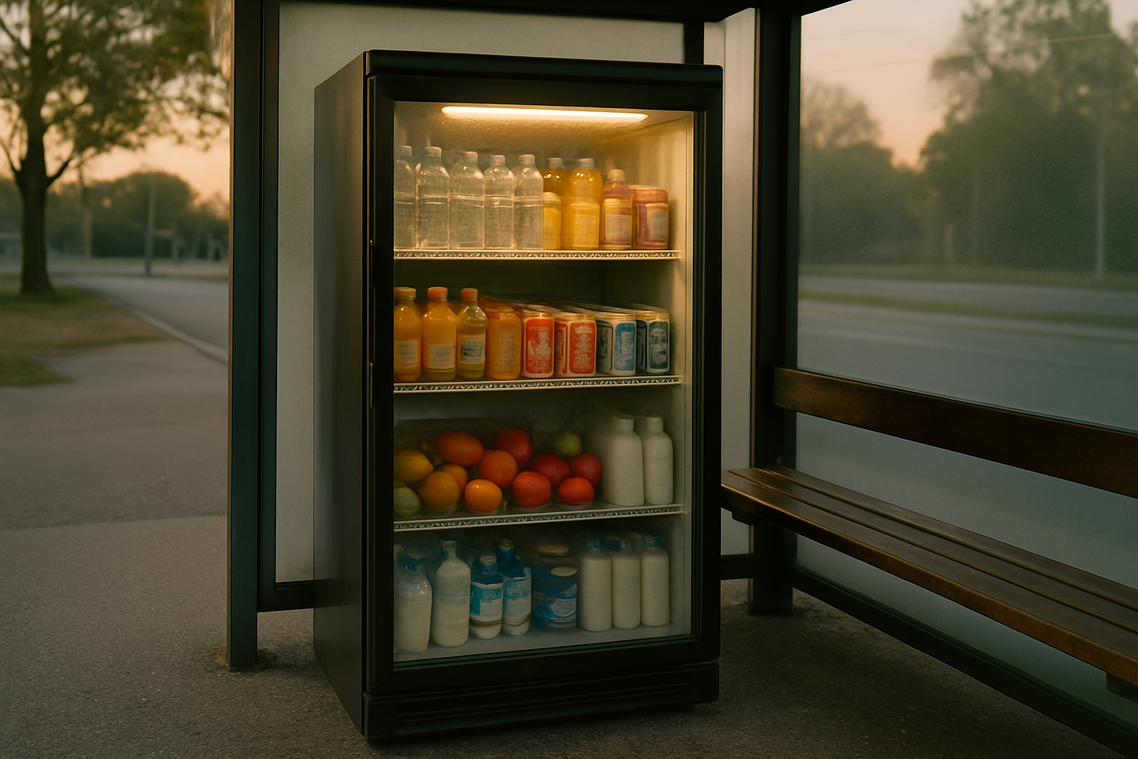
A well-planned fridge is more than neatness—it’s FOOD SAFETY and flavor protection working together. When you organize your refrigerator with intention, every shelf has a job, and every job protects your groceries (and your stomach).
Top Shelf – The “Ready-to-Eat” Zone
This is prime real estate for leftovers, drinks, deli meats, and anything you’ll grab without cooking. Because heat rises, the top shelf maintains a consistent temperature in most modern fridges (around 37–40°F, per FDA guidelines). Keeping ready-to-eat foods here prevents raw drips from contaminating them. Think of it as the VIP lounge—no raw meat allowed.
Middle Shelves – The Dairy Hub
Milk, cheese, yogurt, and butter thrive here. The middle section offers stable cold airflow, which slows bacterial growth and keeps dairy fresher longer. Storing milk in the door? Not ideal. Door temps fluctuate every time it opens (and yes, that midnight snack run counts).
Bottom Shelf – The Raw Meat Safety Zone
Raw meat, poultry, and fish belong on the lowest shelf in sealed containers or on a rimmed tray. Gravity is real. If leaks happen, they drip down—not onto your salad greens. The USDA strongly recommends separating raw proteins to reduce cross-contamination risks.
Crisper Drawers In-Depth
• High-humidity: leafy greens, herbs, broccoli, carrots
• Low-humidity: apples, pears, avocados, stone fruit (ethylene producers)
KEEP IT SIMPLE: Separate by moisture needs and contamination risk.
Pro tip: Label leftovers with dates to cut food waste and mystery meals in half.
Level Up Your Fridge Game With Smart Storage Hacks
An organized fridge isn’t just aesthetic—it’s strategic. If you want to organize your refrigerator like a pro, start by comparing what works versus what just looks tidy.
Clear Containers vs. Original Packaging
Leftovers in mismatched takeout boxes hide in plain sight. Clear, stackable containers, on the other hand, let you see exactly what you have (no more mystery lasagna). Visibility reduces food waste—studies show households waste nearly 30–40% of their food supply (USDA). Pro tip: square containers stack better than round ones.
‘Eat Me First’ Bin vs. Guesswork
Instead of scanning every shelf before cooking, designate a bin for items nearing expiration. This simple system turns “Oops, it spoiled” into “Dinner solved.” Restaurants use similar FIFO (First In, First Out) methods for a reason.
Vertical Space vs. Shelf Sprawl
Stackable bins and shelf risers double usable space. Without them, you’re basically playing fridge Jenga.
Lazy Susan vs. The Black Hole Effect
Condiments shoved in the back? Add a turntable. Spin, grab, done. (It’s like giving your ketchup a carousel moment.)
Finally, airflow matters. Overstuffed fridges block circulation, causing uneven cooling (FDA guidelines). So while more storage seems better, breathing room actually keeps food fresher longer.
Maintaining Your Perfectly Organized Fridge
You wanted an efficient, waste-free fridge—and now you have the blueprint to make it happen. A chaotic refrigerator doesn’t just look messy; it creates stress, leads to forgotten leftovers, and wastes hard-earned money. By using a simple zone-based system, you’ve learned how to organize your refrigerator in a way that’s practical, sustainable, and easy to maintain.
The key now is consistency. Set aside just 10 minutes each week before grocery shopping to reset your zones, toss expired items, and take stock of what you need. Keep the system working for you, and enjoy a kitchen that saves time, money, and effort every single week.