
If you’ve ever followed a recipe exactly and still felt like something was missing, you’re not alone. Many home cooks struggle with how to balance flavors, layer spices, and bring out the natural taste of their ingredients. That’s why learning how to season food properly is one of the most important skills you can develop in the kitchen.
This article is designed to give you clear, practical guidance on building flavor from the ground up—whether you’re cooking vegetables, meats, soups, or global dishes. We’ll break down when to season, how much to use, and how to taste and adjust as you go so your meals turn out consistently delicious.
Our guidance is grounded in proven culinary techniques, hands-on kitchen testing, and flavor principles used by professional chefs around the world. By the end, you’ll understand not just what to add—but why it works—so you can cook with confidence every time.
Ever followed a recipe to the letter, yet your dish tastes flat? You’re not alone. Flavor becomes unforgettable when you understand seasoning, the deliberate layering of salt, acid, fat, heat, and aromatics. Instead of simply adding more salt, start by tasting as you cook; then balance brightness with lemon or vinegar, and deepen savoriness with herbs or spices. Next, consider texture and temperature, since contrast amplifies flavor. To learn how to season food properly, build gradually and adjust deliberately. With practice, you’ll move beyond recipes and cook intuitively, confidently, boldly, every single time. Trust your palate and experiment often bravely.
The Flavor Compass: Mastering Salt, Acidity, and Fat
True seasoning goes far beyond a shake of dried oregano. At its core, great cooking balances three forces: salt, acidity, and fat. Think of them as a culinary compass—each pointing your dish in a different direction.
Salt: The Universal Enhancer
Salt doesn’t just make food “salty.” It suppresses bitterness and amplifies sweetness and savoriness (Harold McGee, On Food and Cooking). Kosher salt vs. table salt? Kosher is easier to pinch and control; table salt is finer and more concentrated. Sea salt adds subtle mineral notes as a finishing touch. A tomato sprinkled with salt tastes sweeter; unsalted, it’s flat. That’s how to season food properly at the most fundamental level.
Acidity: Brightness vs. Heaviness
Lemon juice over grilled fish vs. no lemon: one tastes vibrant, the other dull. Acids like vinegar or wine cut through richness and reset your palate. A splash of red wine vinegar in a heavy beef stew can transform it from dense to dynamic (yes, it’s that dramatic).
Fat: Carrier of Flavor
Butter vs. water for sautéing garlic? Butter wins. Fats dissolve fat-soluble flavor compounds, creating depth and silky mouthfeel. Olive oil on pasta doesn’t just coat—it carries aroma.
Balance is the goal, not dominance. When salt enhances, acid brightens, and fat carries, your food stops tasting “seasoned” and starts tasting complete.
Timing is Everything: How to Layer Seasonings for Maximum Impact
Most home cooks obsess over what spices to use. Pros obsess over when. The difference is subtle—but it’s the line between flat and unforgettable.
Understanding how to season food properly means thinking in layers, not just ingredients.
Building the Base (Early Stage)
Start with hardy, woody herbs like rosemary, thyme, and bay leaves. Add them early with aromatics (onions, garlic, celery) so their fat‑soluble compounds infuse into the oil. Whole spices—cumin seeds, peppercorns, coriander—also belong here. Toasting them in oil unlocks volatile flavor molecules (Harold McGee, On Food and Cooking).
Competitors often stop at “add herbs early.” Here’s what they miss: crush woody herbs slightly before adding. Bruising ruptures cell walls and releases essential oils faster (pro tip: the back of your knife works perfectly).
Developing the Body (Mid-Stage)
Ground spices and seasoning blends should enter during the simmer. This gives them time to hydrate and disperse evenly.
• Paprika blooms in fat.
• Chili powder deepens with heat.
• Curry blends mellow over time.
Add too early and they burn. Too late and they taste dusty (we’ve all had that gritty chili moment).
If you want a deeper dive into flavor infusion, see the science of marinades how they transform texture and taste.
Adding the Finish (Late Stage)
Fresh herbs—parsley, basil, cilantro—contain delicate aromatic compounds that dissipate with prolonged heat (USDA FoodData Central). Add them at the end.
Finish with:
• Flaky salt for texture
• A squeeze of citrus for brightness
• A drizzle of quality olive oil for aroma
Think of it like a movie soundtrack: base notes set the mood, mid-tones build tension, and the final flourish makes the scene unforgettable.
Your Global Spice Toolkit: Five Essential Blends to Elevate Any Meal
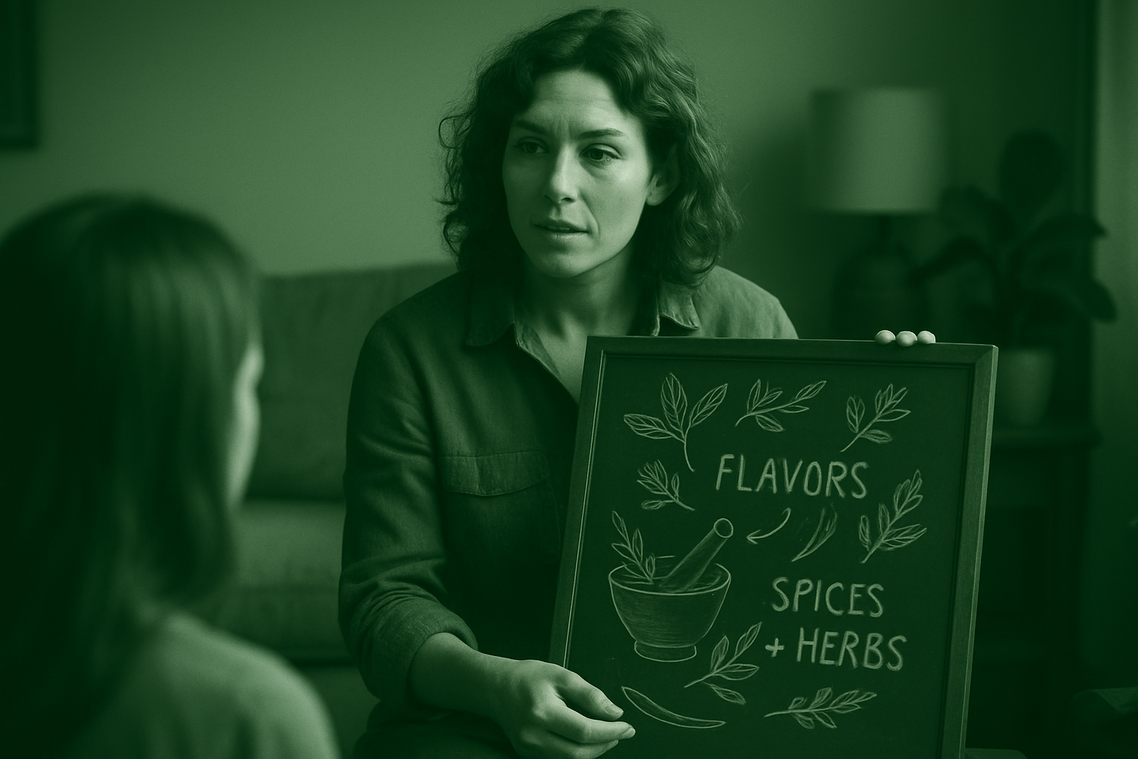
If your weeknight dinners taste a little… predictable, a global spice toolkit might be the upgrade you need. A spice blend is simply a pre-mixed combination of herbs and spices designed to create balanced, layered flavor (think of it as a culinary shortcut with serious payoff).
Za’atar—a Middle Eastern mix of thyme, sesame seeds, and tangy sumac—adds brightness to roasted vegetables or chicken. Stir it into olive oil for a quick bread dip (suddenly, Tuesday feels like a café in Beirut).
Garam masala, a warming Indian blend, is best used as a finishing spice. Sprinkle it over lentil soup or curry just before serving to preserve its aroma.
Herbes de Provence brings together rosemary, thyme, oregano, and savory. It’s classic on roast chicken and potatoes, and it makes stews taste slow-simmered—even when they’re not.
Smoked paprika, a Spanish staple, delivers smoky depth without heat. Add it to meat rubs or eggs for subtle drama.
Shichimi togarashi, Japan’s seven-spice blend, brightens noodle soups and rice bowls with chili, sesame, and nori.
Some argue single spices offer more control. True—but blends simplify how to season food properly while building confidence. Prediction: As global flavors become everyday staples, versatile blends like these will likely dominate home kitchens in the coming years.
Pro Techniques to Unlock Hidden Potential in Your Spices
If your spices taste flat, the problem may not be freshness—it may be technique. Fortunately, two simple methods can dramatically boost flavor.
1. Toast Whole Spices
First, place whole spices like cumin or coriander seeds in a dry skillet over medium-low heat. Stir constantly for 2–4 minutes until fragrant (you’ll smell a warm, nutty aroma). This process releases volatile oils—aromatic compounds that give spices their signature flavor. Immediately remove from heat and grind. For example, toasted cumin in chili tastes deeper and slightly smoky compared to using it straight from the jar.
2. Bloom Spices in Oil (Tadka)
Next, heat oil until shimmering, then add whole or ground spices. Let them sizzle briefly—about 30 seconds. This technique infuses the fat, distributing flavor evenly throughout the dish. It’s essential in Indian dals and Mexican rice alike.
Pro tip: Don’t let spices burn; bitterness develops fast. Mastering these steps transforms how to season food properly—no extra ingredients required.
Transform Your Kitchen with Confidence
Cooking flavorful food isn’t magic—it’s method. When you understand the flavor compass (salt, acid, fat), you gain control, not guesswork. Balance brightness with richness; contrast sharp citrus with savory depth. Layer seasonings early for foundation, mid-cook for development, and finish with a final spark. Toasting spices wakes up dormant oils (yes, your paprika deserves this respect). Many guides explain basics, but few show how to season food properly across every stage of cooking. Start small: try blooming cumin in oil or balancing soup with vinegar. Experiment, adjust, taste. Step forward and create dishes that linger.
Mastering Flavor Starts Here
You came here to finally understand how to season food properly, and now you have the foundation to do it with confidence. From balancing salt and acid to layering spices and tasting as you go, you’re no longer guessing—you’re building flavor with purpose.
Bland meals, over-salted dishes, and one-note flavors can make cooking frustrating. But seasoning isn’t complicated when you know what to look for. It’s about intention, timing, and understanding how ingredients work together to create depth and harmony.
Now it’s your turn to step into the kitchen and put these techniques into action. Start with one dish. Taste as you cook. Adjust thoughtfully. Build layers. The difference will be immediate—and so will the compliments.
If you’re ready to eliminate boring meals for good, explore more flavor foundations, global seasoning guides, and practical kitchen prep hacks designed to make every dish unforgettable. Join thousands of home cooks who are transforming everyday ingredients into bold, balanced meals—start cooking smarter today.