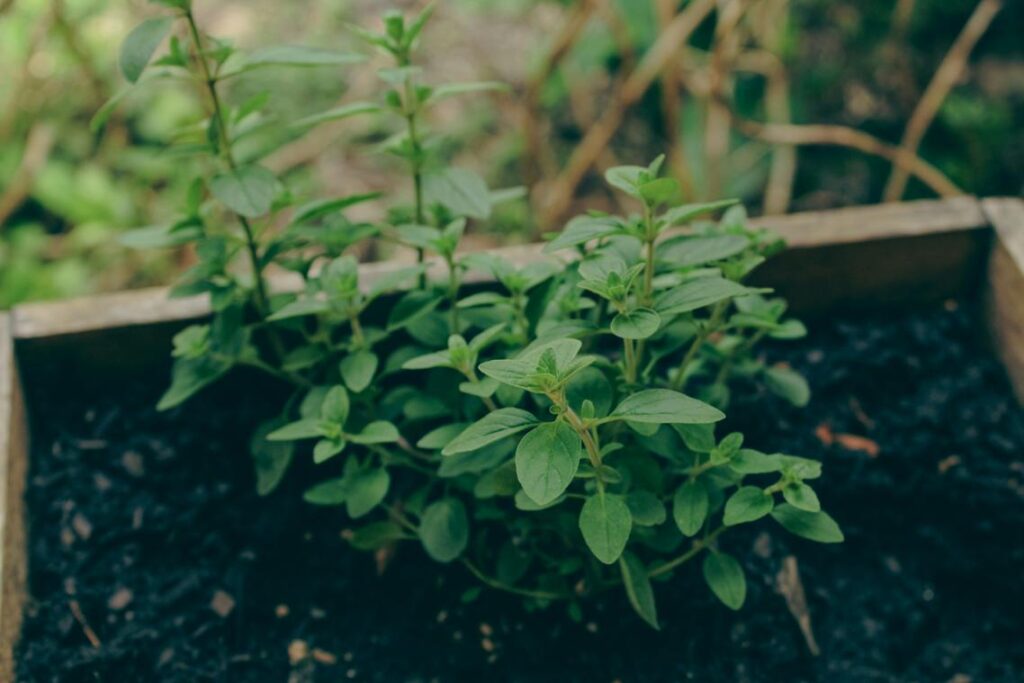
If you’ve been searching for a practical way to grow fresh flavors at home, this home herb garden guide is designed to give you exactly that. Whether you’re working with a sunny windowsill, a small balcony, or a backyard plot, growing your own herbs is one of the simplest ways to elevate everyday cooking while saving money and reducing waste.
This article walks you through everything you need to get started—choosing the right herbs, understanding light and soil needs, mastering watering routines, and learning simple harvesting techniques that keep your plants thriving. It’s built for beginners who want clear, step-by-step direction, as well as home cooks looking to refine their setup.
Our guidance is rooted in hands-on kitchen experience, practical growing methods, and proven culinary techniques that connect garden freshness directly to better flavor. By the end, you’ll have the confidence and know-how to grow, maintain, and use your own herbs with ease.
Choosing Your Culinary Champions: The Best Herbs for Home Cooks
Starting a herb garden can feel surprisingly complicated (who knew leaves had personalities?), so let’s simplify it.
The “Easy Wins” Trio
Basil, mint, and parsley are beginner-friendly because they’re forgiving—meaning they tolerate minor mistakes in watering or sunlight. Basil loves warmth, mint grows almost anywhere (sometimes too enthusiastically), and parsley rebounds quickly after trimming. Think pesto, mojitos, chimichurri. Instant upgrades.
The Mediterranean Classics
If you have steady sun—about 6–8 hours daily—rosemary, thyme, and oregano will thrive. These are woody perennials, meaning their stems become firm and they can live multiple years. Their oils intensify when roasted, which is why they shine on potatoes, chicken, and bread.
The Delicate Essentials
Cilantro and dill grow fast but tend to “bolt.” Bolting means the plant flowers early and shifts energy to seed production, often turning leaves bitter. To prevent this, harvest regularly and keep soil consistently moist.
A Cook’s First Rule
Start with what you already cook. If you make pasta weekly, plant basil. Love tacos? Choose cilantro. This principle anchors any home herb garden guide in practicality.
• Pick 2–3 herbs you use often
• Harvest lightly but frequently
• Give sunlight priority over fancy pots
(Pro tip: morning sun with afternoon shade keeps most herbs happiest.)
Setting the Stage: Sunlight, Soil, and the Right Containers
Before you plant a single leaf, ask yourself: Does this space actually get enough sun? Most herbs require at least six hours of direct sunlight daily. No negotiation. No shortcuts. A south-facing windowsill, balcony, or patio usually works best. If your basil looks leggy or pale, it’s not being dramatic—it’s begging for more light (plants can’t text you, so they stretch instead). Have you noticed where the sun lingers longest in your home?
Why Your Container Matters
Drainage is everything. Without it, roots sit in water and rot. Always choose pots with drainage holes—non-negotiable. Consider your herb’s personality:
- Terracotta pots: Porous, breathable, ideal for Mediterranean herbs like rosemary and thyme that prefer drier soil.
- Glazed or plastic pots: Retain moisture longer, better for thirstier herbs like basil or parsley.
Ever wondered why one plant thrives while another struggles in the same spot? The container could be the silent culprit.
The Perfect Soil Foundation
Never scoop soil from your yard. Garden soil is dense and may carry pests or fungi (the uninvited dinner guests). Instead, invest in a high-quality, well-draining potting mix. It’s the backbone of any successful home herb garden guide because healthy roots equal healthy flavor.
Seeds vs. Starter Plants
Thinking of starting from seed? It’s rewarding—but slow and unpredictable. Beginners often see better results with nursery starter plants, which offer a faster, more reliable harvest.
Curious how your fresh herbs impact flavor and nutrition? Check out understanding food labels what common terms really mean for deeper kitchen insights.
The Gardener’s Rhythm: Planting, Watering, and Nurturing Your Herbs
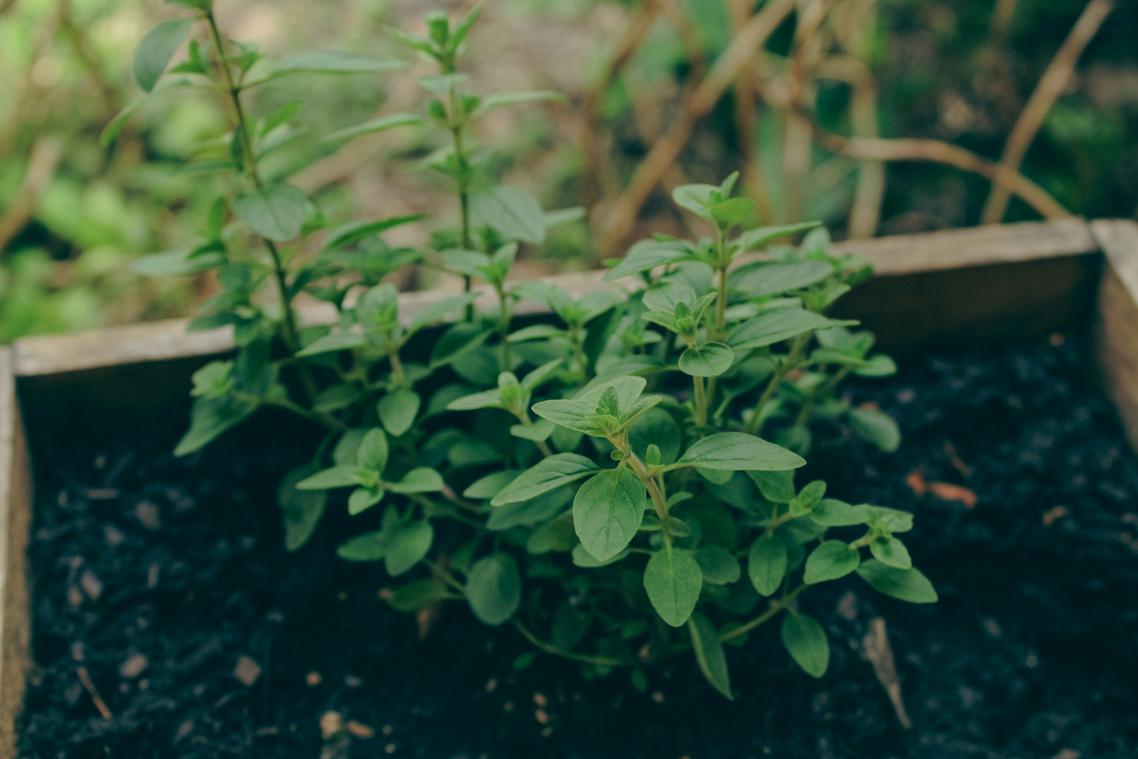
Growing herbs isn’t complicated—but it does reward attention to detail. Think of it like cooking: the right technique makes all the difference.
Proper Planting Technique
When transplanting a starter herb, gently loosen the root ball (the compact mass of roots and soil at the base). This encourages roots to spread instead of circling the pot (yes, plants can get “root-bound,” and no, they don’t enjoy it). Position the plant so the soil line matches its original level, and leave about an inch of space from the rim. That gap isn’t wasted space—it prevents messy overflow when you water. RECOMMENDATION: always choose pots with drainage holes. Without them, excess water lingers, and roots can suffocate.
The Art of Watering
Overwatering is the NUMBER ONE mistake in any home herb garden guide. Before watering, insert your finger about an inch into the soil. Dry? Water. Damp? Wait. Direct water at the soil—not the leaves—to reduce fungal risk (the CDC notes excess moisture encourages mold growth indoors). Water until it flows from the drainage holes, ensuring deep root hydration. Pro tip: morning watering helps plants absorb moisture before heat or evaporation kicks in.
To Feed or Not to Feed
Herbs prefer a LIGHT TOUCH with fertilizer. Too much nitrogen can dilute essential oils, weakening flavor (University of Minnesota Extension). Feed once monthly during peak growth with a balanced liquid fertilizer.
Encouraging Bushy Growth
Pinch the top leaf sets regularly. This redirects energy into side shoots, creating a fuller, more productive plant. More branches mean MORE HARVEST—simple as that.
Harvesting for Peak Flavor: The Chef’s Approach
When it comes to herbs, harvesting isn’t just maintenance—it’s strategy. Think of it as harvest often vs. harvest all at once. Frequent, small snips signal the plant to grow back fuller, almost like a natural reset button. In contrast, cutting everything in one go shocks the plant and slows regrowth (a bit like binge-watching a show in one night—thrilling, but exhausting). This “harvest often” rule acts as gentle pruning, encouraging more leaves and better yields.
Timing also matters. Morning vs. midday is no contest. After the dew evaporates—but before intense heat—essential oils are most concentrated, meaning stronger aroma and flavor. According to horticultural research from university extension programs, volatile oils diminish under high heat.
Finally, technique: scissors vs. fingers. Clean snips just above a leaf set promote branching, while tearing can damage stems. Never remove more than one-third at once. For more structured tips, consult a home herb garden guide to compare best practices side-by-side.
Bring Fresh Flavor Home with Confidence
You came here to learn how to grow, nurture, and use fresh herbs with confidence—and now you have the steps, techniques, and practical insights to make it happen. From choosing the right herbs to mastering watering, sunlight, and harvesting, you’re fully equipped to turn even a small space into a thriving kitchen companion.
The real frustration was never just about growing herbs—it was about wasting money on store-bought bundles that wilt too fast and lack flavor. With this home herb garden guide, you can finally enjoy fresher taste, better control, and the satisfaction of cooking with ingredients you grew yourself.
Now it’s time to take action. Start with three herbs you use most, set up your space this week, and follow the simple care tips you’ve learned. If you’re ready for more foolproof kitchen foundations and flavor-boosting techniques trusted by thousands of home cooks, explore our latest guides and start elevating every meal today.