Feeling overwhelmed by all the talk about plant-based diets? You’re not alone. People are buzzing about it, and for good reason.
It’s not just a trend; it’s a whole new way of living. But here’s the catch: there’s a lot of confusion about what plant-based eating truly means. Some think it’s just salads and tofu.
It’s not. (Trust me, I’ve been there and figured it out the hard way.)
I stumbled into the world of plant-based diets a few years back, driven by both curiosity and necessity. You know how it is. Trying to be healthier without giving up great taste.
And let me tell you, the benefits are real. More energy, better mood, and a less guilty conscience about the planet. Yet, knowing where to start can be a maze.
this article comes in handy. Grounded in culinary expertise and a love for global flavors, we’re going deep into plant-based diets explained. You don’t just get a list of foods; you get an understanding of a lifestyle.
Think less confusion, more clarity. You want to eat better but don’t know how or where to begin? I’ve got you covered.
Let’s unpack the mystery and bring some flavor back to the table.
Plant-Based Eating: What’s the Deal?
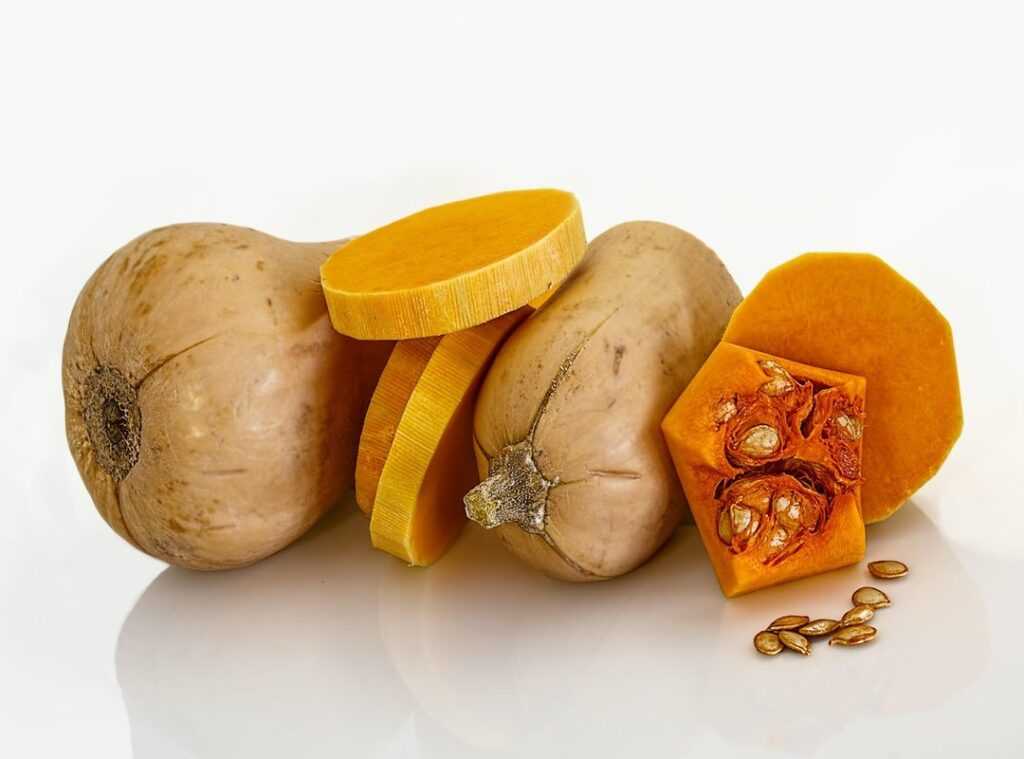
Plant-based eating is simple. You focus on whole foods from plants. Think veggies, fruits, nuts, grains, and seeds.
It’s not just about avoiding meat (though that’s a big part). It’s about embracing the abundance of nature’s pantry. But plant-based isn’t one-size-fits-all.
It’s a spectrum. Let me explain.
Vegan diets are the strictest. No animal products. No cheese, eggs, or honey. Vegetarians? They skip meat but might enjoy eggs or dairy. Then there’s the wild card: flexitarians. They eat mostly plants yet occasionally dive into a steak or fish taco. It’s flexible (and delicious).
Historically, plant-based diets aren’t new. Many cultures have thrived on them for centuries. In India, for instance, vegetarianism is tied to religious beliefs.
In the Mediterranean, a plant-heavy diet isn’t just a trend; it’s a tradition. These diets are rich in flavor and history.
Now, what’s on the plate? Beans and legumes are powerhouses of protein. Quinoa?
It’s more than a trend; it’s a staple. Dark leafy greens pack iron and vitamins. And don’t forget about those new superfoods to watch out for like jackfruit and seaweed.
Here’s a pro tip: Start small. Swap meat for lentils in your chili. Or add chickpeas to your salad.
Feel overwhelmed? Just remember, it’s about inclusion, not deprivation. You’re not giving up anything; you’re gaining a whole world of flavors.
Plant-based diets explained, they’re about choices and diversity. Simple as that.
Plant Power: Health Benefits Unleashed
When I talk about plant-based diets explained, I’m not just jumping on a trend. There’s evidence, and it’s compelling. A plant-based diet can boost heart health, improve digestion, and even help with weight management.
Sounds good, right? But here’s where I pause. Does everyone benefit equally?
I’m not sure. Studies suggest a lot, but individual results can vary (like those bad hair dye jobs we regret).
For heart health, lowering cholesterol is key. A Harvard study links plant diets to reduced heart disease risk. But digestion?
Fiber helps, no doubt. I’ve felt lighter since cutting meat. Yet, getting enough protein is tricky.
Balancing nutrients is key. You can’t just go all-in on salad and expect miracles.
Weight management is another perk. People often lose weight, but is it sustainable? I wonder if a plant diet keeps the pounds off long-term.
It needs careful planning to avoid deficiencies in nutrients like B12 and iron. Pro tip: consult a nutritionist or get blood work done regularly.
In the chaotic world of nutrition advice, honesty matters. So, keep asking questions. Is this right for me?
And don’t just follow the crowd. Make informed choices.
Facing Food Struggles: Beat Diet Challenges
Plant-based diets explained? Sounds simple, right? Nope.
Real-world snags like nutrient deficiencies, social dining, and nagging cravings pop up all the time. Imagine sitting with friends while they chow down on juicy burgers. You’re nibbling on a carrot stick.
I’ve been there.
Cravings can crush motivation. Trust me, those late-night snack runs haunt us all. The solution?
Plan smart. Meal prepping is your best friend and keeps you sane on those burger nights. Toss together a killer chickpea salad or spicy tofu stir-fry.
Get creative!
Worried about missing nutrients like B12? There’s a fix. Supplements fill gaps that food can’t.
But don’t wing it. Do your homework. (Or ask a doc.)
Staying informed is key. Read widely, learn from every source you find. This is where you can learn more.
Getting different perspectives keeps the diet fresh and helps dodge pitfalls.
Pro tip: Keep a journal. Track what works and what flops. Motivation dips?
Look back at your progress. And hey, try out new global recipes. You’ll find inspiration everywhere.
Cooking doesn’t have to be a chore. It’s an exploration.
Bottom line: Tackle these issues head-on. Keep adapting. That’s the recipe for success.
Global Plant-Based: A Flavorful Exploration
Ever tried plant-based dishes from around the world? You’re in for a treat. Think beyond the usual salads.
Explore global cuisines that turn ordinary ingredients into bold experiences. Imagine lively Indian curries, spicy Mexican tacos, or hearty Italian pasta. All plant-based.
The secret is in the spices and textures, not just the plants.
Why limit yourself? Each culture brings something unique to the plant-based table. The s41430 021 01023 z study highlights how plant-based diets can be both nutritious and flavorful.
It’s not just about cutting out meat. It’s about embracing new flavors.
Let’s spice things up at home. How about a Moroccan chickpea stew with cumin and coriander? Or maybe a Thai coconut curry with tofu?
These dishes burst with flavor and don’t require a culinary degree. Pro tip: Use fresh herbs to raise your dishes.
Now, you might wonder, is this just a trend? Nope. It’s a lifestyle. “Plant-based diets explained” is more than just eating plants.
It’s about celebrating what’s on your plate. So, next time you’re in the kitchen, channel your inner global chef. Your taste buds will thank you.
Spice It Up: Building a Flavorful Plant-Based Pantry
So you’ve decided to dive into the world of plant-based diets. Great choice! But where to start?
Your pantry is the backbone of any good meal, and building a flavorful plant-based pantry is simpler than you think (and more fun).
First, important staples. You’ll want to grab some grains like quinoa and brown rice. They’re versatile.
Beans and lentils are also powerhouse ingredients, and don’t forget canned tomatoes (they’re a lifesaver). You might wonder, “What about flavor?” spices and herbs come in.
Spices are the real MVPs for flavor. A dash of cumin, a sprinkle of paprika, a pinch of cinnamon (they) transform ordinary ingredients into extraordinary dishes. Herbs like basil and cilantro?
Game-changers. They’re fresh, aromatic, and simply delightful.
When shopping, quality matters. Check out local markets or online shops for bulk buying. It’s easier on the wallet and the environment.
Who doesn’t love a win-win?
And there you have it. That’s “plant-based diets explained” in pantry form. Keep it stocked, keep it fresh, and you’ll always be ready to whip up something delicious.
Remember, a well-stocked pantry is your best friend in the kitchen!
Dive into Plant-Based Deliciousness
You’ve got the basics of plant-based diets explained. It’s not just healthy; it’s fun. You can enjoy every bite without missing a thing.
Who doesn’t want food that’s both tasty and good for you? If you’re not experimenting with plant-based meals yet, why not start? Imagine discovering flavors you’ve never tasted before.
That’s exciting, right?
I challenge you to try one new recipe each week. It’ll shake up your routine and surprise your taste buds. Check out tbfoodcorner.com for ideas that could change how you cook.
Seriously, give it a shot. Your meals deserve this adventure.
 Head of Culinary Content & Recipe Development
There is a specific skill involved in explaining something clearly — one that is completely separate from actually knowing the subject. Max Bessleroid has both. They has spent years working with flavorful cooking foundations in a hands-on capacity, and an equal amount of time figuring out how to translate that experience into writing that people with different backgrounds can actually absorb and use.
Max tends to approach complex subjects — Flavorful Cooking Foundations, Explore More, Kitchen Prep Hacks being good examples — by starting with what the reader already knows, then building outward from there rather than dropping them in the deep end. It sounds like a small thing. In practice it makes a significant difference in whether someone finishes the article or abandons it halfway through. They is also good at knowing when to stop — a surprisingly underrated skill. Some writers bury useful information under so many caveats and qualifications that the point disappears. Max knows where the point is and gets there without too many detours.
The practical effect of all this is that people who read Max's work tend to come away actually capable of doing something with it. Not just vaguely informed — actually capable. For a writer working in flavorful cooking foundations, that is probably the best possible outcome, and it's the standard Max holds they's own work to.
Head of Culinary Content & Recipe Development
There is a specific skill involved in explaining something clearly — one that is completely separate from actually knowing the subject. Max Bessleroid has both. They has spent years working with flavorful cooking foundations in a hands-on capacity, and an equal amount of time figuring out how to translate that experience into writing that people with different backgrounds can actually absorb and use.
Max tends to approach complex subjects — Flavorful Cooking Foundations, Explore More, Kitchen Prep Hacks being good examples — by starting with what the reader already knows, then building outward from there rather than dropping them in the deep end. It sounds like a small thing. In practice it makes a significant difference in whether someone finishes the article or abandons it halfway through. They is also good at knowing when to stop — a surprisingly underrated skill. Some writers bury useful information under so many caveats and qualifications that the point disappears. Max knows where the point is and gets there without too many detours.
The practical effect of all this is that people who read Max's work tend to come away actually capable of doing something with it. Not just vaguely informed — actually capable. For a writer working in flavorful cooking foundations, that is probably the best possible outcome, and it's the standard Max holds they's own work to.