
Perfectly roasted vegetables can turn even the simplest ingredients into caramelized, flavor-packed showstoppers. If you’ve been searching for practical, reliable roasting vegetables tips that actually deliver crisp edges and tender centers, you’re in the right place. This article is designed to help you master the fundamentals—choosing the right vegetables, cutting them properly, seasoning with confidence, and using heat to your advantage—so you can get consistent, delicious results every time.
Many home cooks struggle with soggy textures, uneven browning, or bland flavor. Here, you’ll learn the techniques that solve those problems, along with smart kitchen prep strategies and flavor-building ideas inspired by global cuisine. Our guidance is grounded in hands-on culinary experience and tested cooking methods, ensuring you can trust each tip to work in a real kitchen. By the end, you’ll know exactly how to roast vegetables that are crisp, deeply flavorful, and worthy of center stage on any table.
From Soggy to Spectacular: Unlocking Truly Caramelized Vegetables
That tray of limp zucchini? We’ve all been there. You wanted crispy edges and deep, nutty sweetness, but got something closer to steamed sadness. The truth: it’s not your oven—it’s technique.
Some argue high heat alone guarantees browning. Others insist tossing everything together saves time. Not quite.
Caramelization—the browning of natural sugars under heat—demands strategy:
- Give vegetables space (crowding causes steam).
- Use high, dry heat.
- Salt after initial browning to avoid excess moisture.
Follow these roasting vegetables tips and watch humble carrots turn steak-worthy. Pro tip: preheat the pan.
The Foundation: Why High Heat is Your Best Friend
First things first, high heat isn’t optional—it’s the golden rule. Set your oven to 400–425°F (200–220°C) and mean it. Think of it like searing a steak: you need a hot stage before the performance begins. Without that blast of heat, your vegetables simply sit there, sweating instead of sizzling.
Here’s the science, simplified. High heat quickly drives off surface moisture, clearing the way for the Maillard reaction (the browning that creates deep, savory flavor) and caramelization (natural sugars turning golden and sweet). In other words, heat is the bouncer kicking water out so flavor can enter.
However, skeptics argue lower heat prevents burning. Fair—but lower temps often steam vegetables into mush before browning even starts.
Most importantly, fully preheat the oven and the baking sheet. A cold pan drops the temperature instantly—like putting ice in hot coffee.
| Temperature | Result |
|————-|——–|
| 325°F | Steaming, soft texture |
| 400–425°F | Browning, crisp edges |
For more roasting vegetables tips, remember: heat first, vegetables second.
The Three Pillars of Preparation
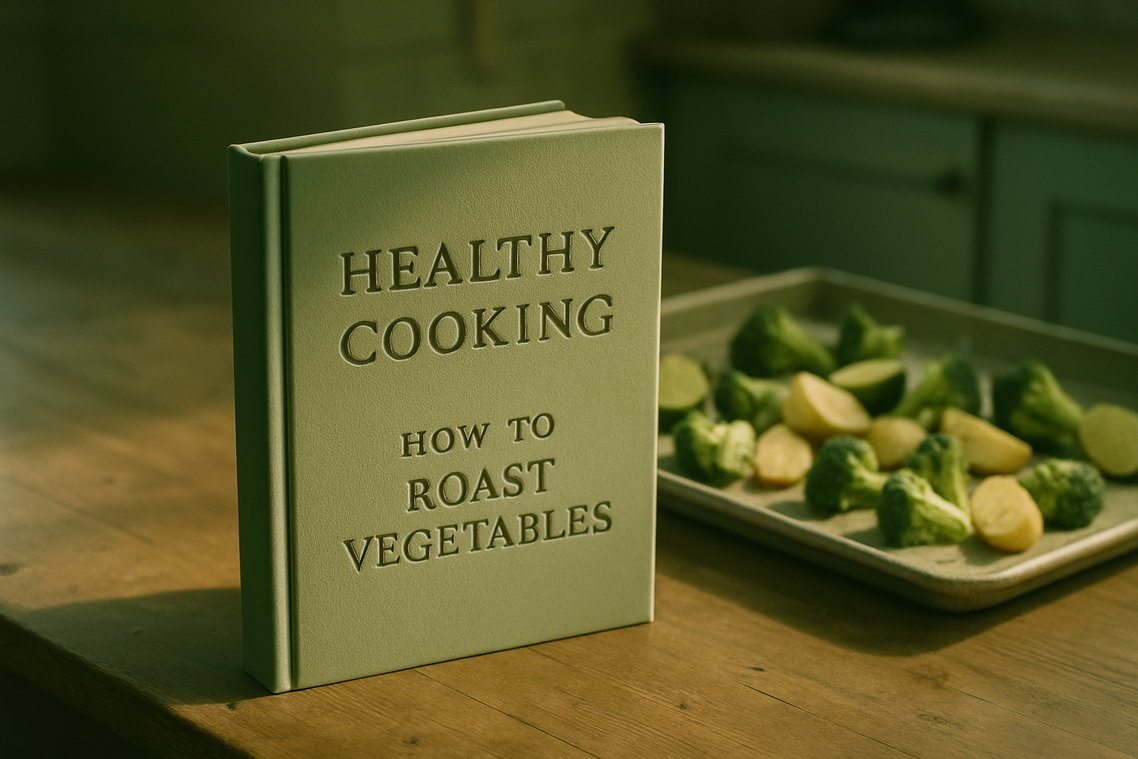
Great roasting starts before the oven turns on. If your vegetables come out uneven, pale, or soggy, the issue usually isn’t your recipe—it’s your prep. Let’s simplify the three pillars that make roasting work.
Pillar 1 – Uniform Cutting
Uniform cutting means slicing vegetables into similar sizes and thicknesses so they cook at the same rate. Heat moves from the outside in. If one carrot chunk is twice as thick as another, the smaller piece may burn before the larger one softens.
For root vegetables like potatoes or carrots, aim for 1-inch cubes. Broccoli works better as larger florets, since small ones dry out quickly. This is where precision pays off. If you need a refresher, review mastering knife skills cuts every cook should practice to build consistency (your oven will thank you).
Some argue rustic, uneven cuts add charm. True—visually. But for even browning? Consistency wins.
Pillar 2 – The Importance of Dryness
Moisture is the enemy of browning. Browning happens through the Maillard reaction—a chemical reaction between amino acids and sugars that creates deep flavor (Harold McGee, On Food and Cooking). Water prevents this because it must evaporate before browning begins.
Wash your vegetables—but dry them thoroughly with a towel or salad spinner. Wet vegetables steam, not roast. And steamed broccoli is fine… just not when you’re craving crispy edges.
Pillar 3 – The Right Amount of Fat
Oil helps transfer heat and prevents sticking. Use neutral, high-smoke-point oils like avocado or grapeseed oil (both stable above 400°F, per the USDA).
You don’t need to drown your vegetables. Toss them until they have a light sheen—just enough to coat every surface. Too little oil leads to dryness; too much causes sogginess (it’s a Goldilocks situation).
Follow these roasting vegetables tips and you’ll turn simple produce into deeply caramelized, flavorful perfection.
Mastering Your Pan: The Secret of Space
The single most common mistake when roasting vegetables? Overcrowding the pan. When vegetables are packed too tightly, they trap steam. Instead of caramelizing (that golden-brown crust packed with flavor), they soften and steam. The result is limp, pale veggies instead of crisp, deeply roasted bites.
Here’s the rule of thumb: vegetables should sit in a single layer with visible space between each piece. If they’re touching too much, they’re steaming. If you can see the pan between them, you’re roasting.
Consider the difference:
- Crowded pan: soft texture, muted flavor, no browning
- Properly spaced pan: crisp edges, rich color, concentrated taste
When in doubt, use two baking sheets instead of piling everything onto one. The improved result is worth the extra dish (yes, even on a busy weeknight).
Pro tip: High heat—around 425°F—encourages browning. These simple roasting vegetables tips transform basic produce into something crave-worthy.
Flavor Strategy: When and How to Season
Seasoning before roasting builds the foundation. Start by tossing your vegetables with oil, then add salt, black pepper, and hardy dried herbs like rosemary or thyme. Because these herbs can withstand high heat, they infuse flavor as the vegetables caramelize. For example, cubed potatoes coated with olive oil, salt, and dried rosemary develop crisp edges and a savory crust. This is one of those roasting vegetables tips that never fails.
A quick note on salt: it draws out moisture through osmosis (that’s why eggplant “sweats”). Consequently, a dry surface and high heat are critical from the start. If the oven is too cool, you’ll steam instead of roast—and no one wants soggy carrots.
However, not everything belongs in the oven. Delicate ingredients like fresh parsley, cilantro, lemon juice, lemon zest, or smoked paprika can burn or turn bitter. Instead, sprinkle or toss them in immediately after roasting. Think of it as adding a bright finish rather than baking in the spotlight.
For extra depth, try tossing hot vegetables with a simple vinaigrette or a pinch of flaky finishing salt. Pro tip: add the dressing while they’re warm so they absorb flavor more effectively.
Perfect roasting isn’t luck; it’s physics. When vegetables turn soggy, trapped steam—not bad produce—is the culprit. However, the fix is straightforward. First, crank your oven to at least 425°F so moisture evaporates fast and sugars caramelize. Next, dry surfaces thoroughly; water blocks browning. Then coat pieces lightly with high‑smoke‑point oil to promote crisp edges and richer flavor. Finally, spread everything in a single layer with ample space, allowing hot air to circulate efficiently. These foundational roasting vegetables tips transform texture and taste. So tonight, choose one vegetable, apply these principles, and savor the golden, crackly difference. You will taste success.
Bring More Flavor to Your Kitchen Starting Today
You came here looking for practical, flavorful ways to elevate your cooking—and now you have the tools to do exactly that. From understanding foundational techniques to exploring global flavors and smart prep strategies, you’re better equipped to cook with confidence and creativity.
If you’ve ever felt stuck making the same bland meals or struggled to get consistent results, you’re not alone. Great cooking isn’t about complicated recipes—it’s about mastering simple techniques and applying them with intention. Even small upgrades, like dialing in your roasting vegetables tips, can completely transform the taste and texture of your dishes.
Now it’s time to take action. Pick one technique, one flavor profile, or one prep hack and use it in your next meal. Then build from there.
If you’re ready to turn everyday ingredients into bold, satisfying dishes without stress or guesswork, explore more of our proven kitchen strategies and flavor guides. Join thousands of home cooks who are already leveling up their skills—start cooking smarter, tastier meals today.