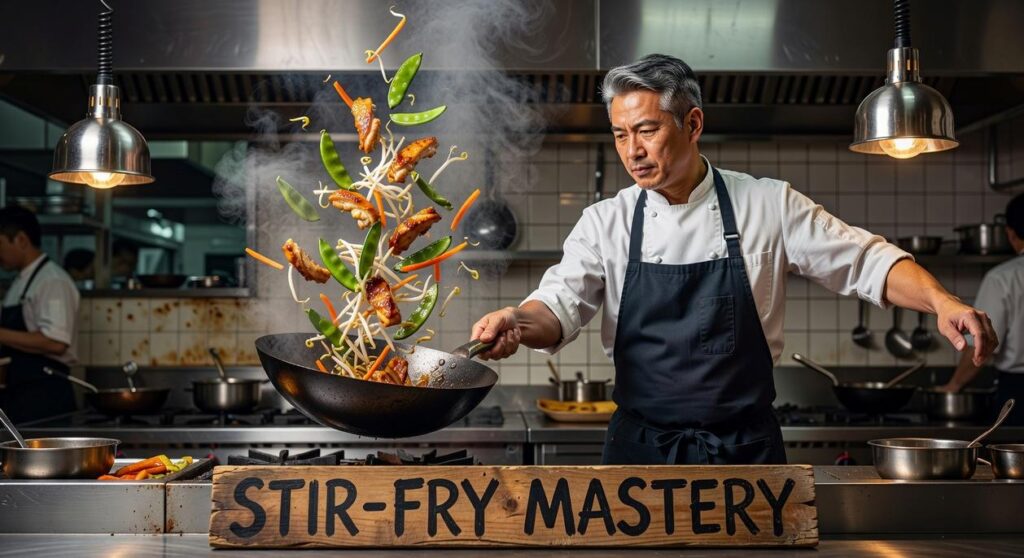
If you’ve ever stood over a hot pan wondering whether you should be sautéing or stir frying, you’re not alone. The debate around sauteing vs stir frying often confuses home cooks who want better flavor, texture, and control in their meals. While both techniques use high heat and a small amount of oil, the differences in timing, movement, pan choice, and ingredient prep can dramatically impact your final dish.
This article breaks down exactly what separates sautéing from stir frying, when to use each method, and how to avoid the common mistakes that lead to soggy vegetables or unevenly cooked proteins. Drawing from professional kitchen techniques, global cooking traditions, and tested culinary fundamentals, we’ll give you practical, easy-to-follow guidance you can apply immediately. By the end, you’ll know which method suits your recipe—and how to execute it with confidence every time.
Both techniques start with a hot pan, but the magic lives in the details. Many cooks treat sauteing vs stir frying as identical, then wonder why their vegetables steam instead of sear. Sautéing uses moderate-high heat, a shallow pan, and minimal movement to brown food evenly. Stir-frying demands blazing heat, a wok, more oil, and constant motion for crisp-tender bites. By the end, you’ll understand how equipment, heat, fat, and motion define each method. I predict—pure speculation—that high-heat cooking will dominate home kitchens as global flavors surge. Master these, and every skillet meal levels up. Fast flavor wins weeknights everywhere.
The Art of the Sauté: Precision, Browning, and Pan Sauces
Sautéing is a dry-heat cooking method that uses a small amount of oil or fat in a shallow pan over medium-high heat. The goal isn’t just to cook food through—it’s to create a flavorful, golden crust through the Maillard reaction, the chemical process that occurs when proteins and sugars brown under heat. That browning equals depth (and yes, that’s where the magic lives).
The technique is quick and controlled. Food should sizzle the moment it hits the pan. A proper sauté involves a characteristic “jump” or toss, flipping ingredients with a forward-and-back wrist motion so they cook evenly without tearing. Think confident, not chaotic—more Top Chef than short-order scramble.
Essential Equipment
A sauté pan features a wide, flat bottom and straight sides. The flat surface ensures maximum contact for browning, while straight sides prevent overcrowding and contain juices—both essential for building flavor.
Best Foods for Sautéing
Delicate fish fillets, chicken breasts, mushrooms, and onions excel here. These ingredients brown beautifully and leave behind fond—the caramelized bits stuck to the pan. Deglaze with wine or stock, and you’ve started a pan sauce.
When comparing sauteing vs stir frying, sautéing uses less oil and lower agitation, delivering deeper browning and refined texture. Pro tip: never overcrowd the pan, or you’ll steam instead of sear.
The Power of the Stir-Fry: Intense Heat and Constant Motion
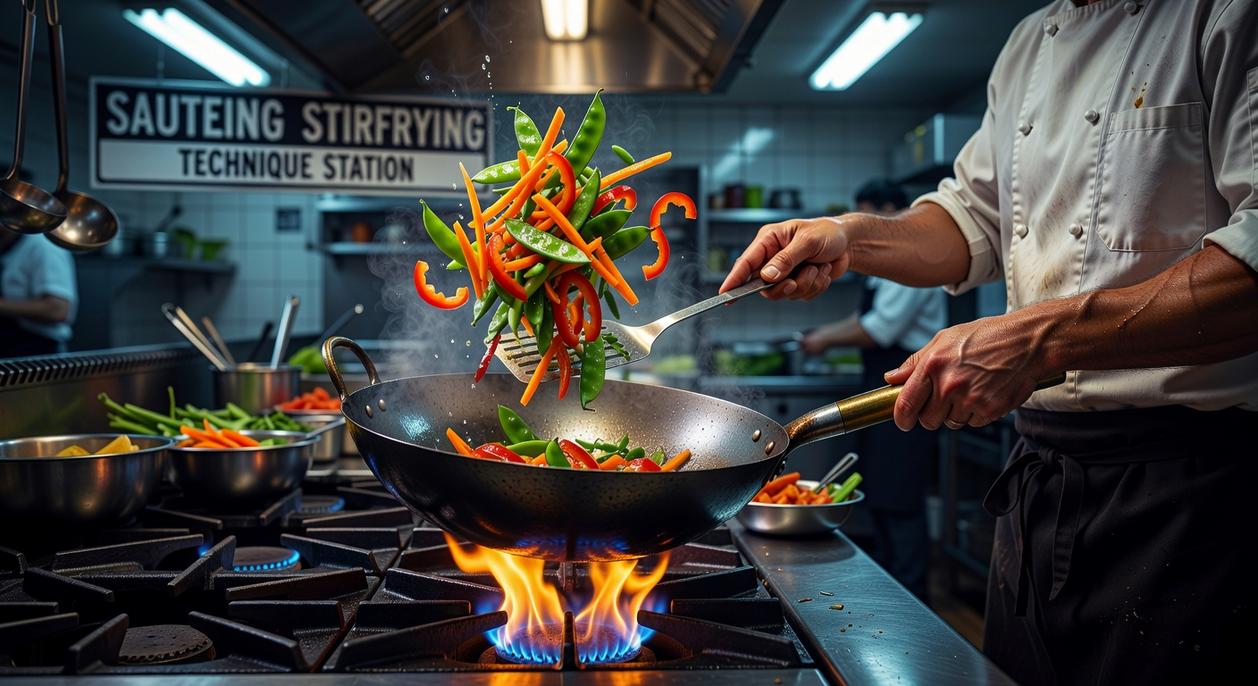
Stir-frying is a cooking method that originated in Asia, defined by intense, high heat, minimal oil, and constant movement. Ingredients are stirred and tossed rapidly so they cook in seconds rather than minutes. The result? Food that’s crisp-tender, vibrant, and deeply flavorful (and never soggy—because nobody wants limp broccoli).
The technique is all about speed. Cut ingredients into small, uniform pieces so they cook evenly. Keep them moving to prevent burning while preserving texture, color, and heat-sensitive nutrients like vitamin C (Harvard T.H. Chan School of Public Health notes that shorter cooking times help retain nutrients). If you’ve ever debated sauteing vs stir frying, remember: stir-frying uses higher heat and more motion.
I strongly recommend investing in a wok. Its sloped sides create heat zones—searing heat at the bottom, gentler warmth along the edges—so you can cook proteins while resting vegetables higher up. That control is a game changer.
Choose thin slices of beef or chicken, shrimp, firm vegetables like broccoli and bell peppers, and aromatics such as ginger and garlic. For tougher cuts, learn how to properly braise meats for tender results before slicing.
Pro tip: prep everything first. Once the heat is on, there’s no pause button.
At a Glance: The Core Differences Between Sautéing and Stir-Frying
When comparing sauteing vs stir frying, the differences come down to HEAT, SPEED, and PAN DESIGN. Both are fast, flavorful dry-heat methods—but the DETAILS shape the results on your plate.
-
Heat Level
-
Sauté: Medium-high heat for controlled browning.
-
Stir-Fry: High to VERY HIGH heat for rapid searing and crisp-tender texture.
Benefit: Higher heat locks in texture quickly, while moderate heat prevents overcooking thicker foods. -
Pan Shape
-
Sauté: Flat-bottom skillet with straight or gently sloped sides.
-
Stir-Fry: Bowl-shaped wok designed for intense, concentrated heat.
Benefit: A wok’s curved walls let you move food across heat zones efficiently. -
Amount of Fat
-
Sauté: Enough oil or butter to coat the pan.
-
Stir-Fry: Minimal oil—just enough to prevent sticking.
Benefit: Less oil keeps stir-fries lighter and cleaner-tasting. -
Food Movement
-
Sauté: Occasional stirring or flipping.
-
Stir-Fry: CONSTANT, vigorous motion.
Benefit: Continuous movement prevents burning under extreme heat. -
Ingredient Size
-
Sauté: Larger pieces, like chicken breasts or cutlets.
-
Stir-Fry: Small, uniform pieces for lightning-fast cooking.
Benefit: Even sizing ensures everything finishes at the same time.
When to Choose Which: A Practical Guide for Your Kitchen
When deciding between sauteing vs stir frying, it helps to think about your end goal. Although both methods use high heat and a small amount of fat, the intention behind them differs.
Choose sautéing (cooking food quickly in a shallow pan with minimal oil) when you want deep, browned flavor. That golden crust on chicken or mushrooms? That’s the Maillard reaction—a chemical process that creates complex flavor (and yes, it’s why steak tastes so good). Additionally, sautéing works beautifully for larger, tender cuts and for building a pan sauce from the drippings. You’ll also get vegetables that are tender-crisp without heavy char.
On the other hand, choose stir-frying (rapid cooking in a very hot wok while constantly moving ingredients) when speed matters. If you’re juggling bell peppers, snap peas, and thinly sliced beef, this method keeps colors vibrant and textures crunchy. It’s also ideal for layered, classic Asian flavor profiles.
Pro tip: A stir-fry is typically a complete one-pan meal, whereas a sauté is often one step in a larger dish, like starting a soup or finishing pasta.
Looking ahead, it’s likely home cooks will favor stir-frying more as weeknight schedules tighten—though flavor seekers will always return to the depth sautéing delivers.
Cooking success depends not only on ingredients but on TECHNIQUE. The debate around sauteing vs stir frying proves it. Both use high heat, yet the details—pan shape, oil amount, and movement—change everything.
Confused about why your vegetables turn soggy or your mushrooms never brown? Focus on:
• Heat level: preheat until the pan is shimmering.
• Pan choice: flat skillets for steady contact, woks for fast tossing.
• Motion: gentle flips versus constant stirring.
Master these fundamentals and you CONTROL texture and flavor. Tonight, choose intentionally: sauté mushrooms for pasta or stir-fry crisp vegetables for a quick dinner. Start NOW.
Mastering Sauteing vs Stir Frying in Your Kitchen
You came here to finally understand the real difference between sauteing vs stir frying, and now you know exactly when to use each technique. No more second‑guessing your heat level, overcrowding your pan, or ending up with soggy vegetables instead of vibrant, perfectly cooked meals.
When you apply the right method at the right time, your flavors stay bold, your textures stay crisp, and your confidence in the kitchen grows with every dish. That frustration of uneven cooking or bland results doesn’t have to follow you into your next recipe.
Now it’s your move: put these techniques into practice tonight. Start with fresh ingredients, control your heat, and focus on timing. Want more no-fail kitchen guidance and flavor-packed cooking foundations? Explore our proven tips and step-by-step guides trusted by thousands of home cooks who are transforming everyday meals into standout dishes. Your best cooking starts now.