
Curious about the real plant-based diet benefits and whether they live up to the hype? This article is designed to give you clear, evidence-based answers. Whether you’re considering cutting back on meat, fully transitioning to a plant-based lifestyle, or simply looking to improve your overall nutrition, understanding the true impact on your health, energy levels, and long-term wellbeing is essential.
We break down the most important advantages, from heart health and weight management to improved digestion and disease prevention, while also addressing common misconceptions. To ensure accuracy, this guide draws on current nutritional research and insights from registered dietitians and peer-reviewed studies.
By the end, you’ll have a practical understanding of how a plant-based approach can fit into your daily routine, what changes make the biggest difference, and how to maximize the health rewards without sacrificing flavor or satisfaction.
More Than Just Salads: The Power of Plant-Based Eating
Let’s be honest: when people hear “plant-based,” they picture sad lettuce and endless restrictions. I used to think the same. However, once I explored vibrant curries, smoky lentil tacos, and creamy cashew sauces, my perspective shifted. The plant-based diet benefits go far beyond weight management; research links higher intake of fruits and vegetables to lower heart disease risk (Harvard T.H. Chan School of Public Health). Moreover, beans and grains are budget-friendly, which makes eating this way practical. Some argue it’s limiting, yet I find constraints spark creativity in kitchen for me.
Build a Foundation for Vibrant Health
A strong, energized body isn’t built on extremes. It’s built on consistent, nutrient-dense choices that work with your biology—not against it. The science behind plant-forward eating is detailed, measurable, and compelling.
Enhance Heart Health
Plant-based meals are naturally lower in saturated fat and free of dietary cholesterol, two factors closely linked to cardiovascular strain. Foods like oats contain beta-glucan, a soluble fiber shown to reduce LDL (“bad”) cholesterol (Harvard T.H. Chan School of Public Health). Leafy greens deliver potassium and nitrates that help regulate blood pressure, while nuts provide heart-protective unsaturated fats. The feature here is fiber density: more soluble fiber means improved cholesterol clearance, translating directly into better arterial health. (Your heart prefers lentils over drive-thru fries—no contest.)
Support Sustainable Weight Management
The key concept is caloric density—the number of calories in a given weight of food. Vegetables, fruits, legumes, and whole grains are high in nutrients and fiber but relatively low in calories. That means you can eat satisfying portions while naturally moderating energy intake. Fiber slows digestion and enhances satiety hormones, helping you feel full longer. Research published in Nutrients (2019) links higher fiber intake to healthier body weight. Instead of restriction, you get volume, flavor, and balance.
Nourish Your Gut Microbiome
Your gut microbiome—the trillions of bacteria in your digestive tract—thrives on diverse plant fibers. These fibers act as prebiotics, feeding beneficial bacteria that produce short-chain fatty acids to support immunity and reduce inflammation (Stanford Medicine). A varied plate—beans, onions, berries, whole grains—means a more resilient microbial ecosystem. Better digestion, stronger immune defenses, even improved mood can follow.
Reduce Chronic Disease Risk
Large cohort studies associate plant-forward eating with lower risk of type 2 diabetes and certain cancers (American Heart Association; World Health Organization). Antioxidants and phytonutrients—compounds found exclusively in plants—help neutralize oxidative stress and protect cells from damage. While critics argue genetics play the bigger role, evidence shows lifestyle significantly modifies risk. That’s where plant-based diet benefits become practical, measurable, and powerful.
Unlock a World of Flavor and Culinary Creativity
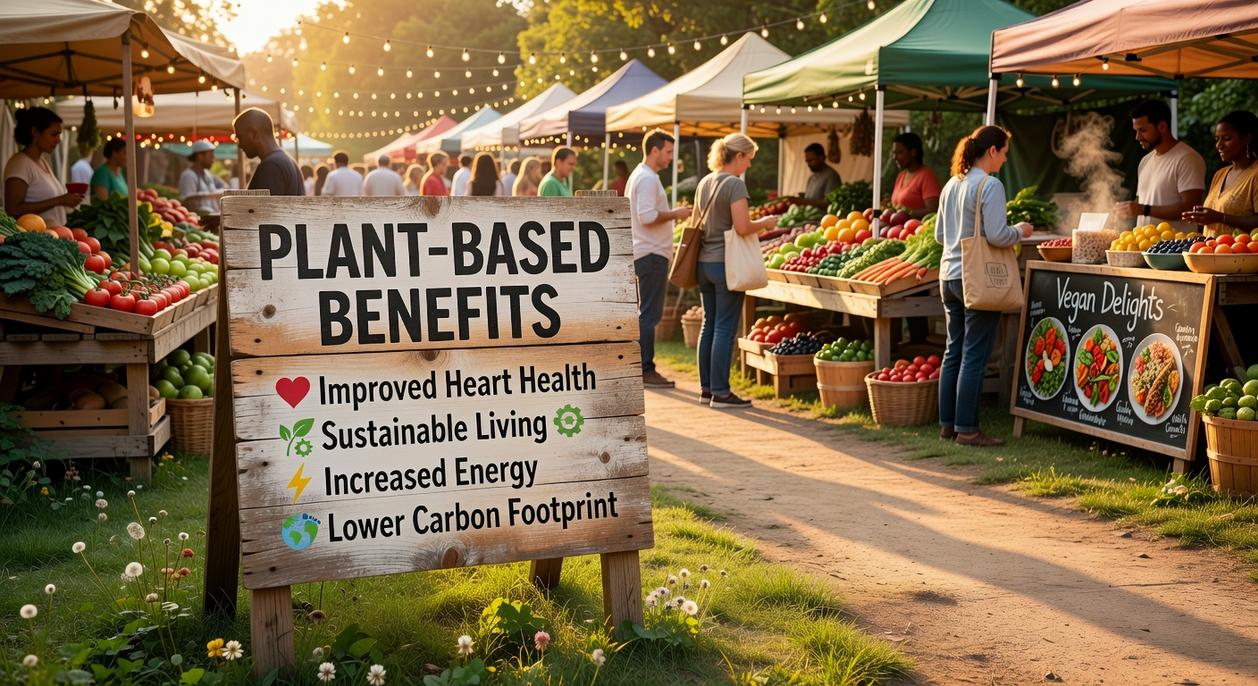
I used to think flavor revolved around a single centerpiece—usually meat—surrounded by polite side dishes. That was my first mistake. When I began cooking more plant-forward meals, I overcompensated and made bland plates, assuming “healthy” meant restrained. It didn’t. It meant I hadn’t learned the language of global flavor yet.
Explore Bold, Global Foundations
Many iconic cuisines are naturally plant-forward. Indian dals layer lentils with toasted cumin and garam masala. Thai curries build heat and sweetness with chilies and coconut milk. Mediterranean mezze celebrates herbs, olive oil, and legumes. Mexican dishes lean on beans, corn, and vibrant salsas. These traditions taught me that plants aren’t substitutes—they’re stars. (Turns out, I was the one lacking imagination.)
Master Umami and Texture
Another early error? Forgetting depth. Mushrooms, tamari, miso paste, and nutritional yeast create umami—that savory, mouth-filling richness often associated with meat (Harvard T.H. Chan School of Public Health). Cashew cream adds silkiness, crispy tofu brings crunch, and ancient grains offer chew. Pro tip: roast mushrooms hard and fast for concentrated flavor.
Shifting focus from protein to spices and aromatics creates complexity. It also reinforces plant-based diet benefits like improved heart health and reduced inflammation (American Heart Association).
For deeper ingredient awareness, read from farm to table why ingredient transparency matters more than ever. The lesson? Flavor follows intention.
A Lighter Footprint on the Planet
When we compare dinner plates, the climate math becomes clear. Animal agriculture produces roughly 14.5% of global greenhouse gas emissions, according to the FAO. Cattle alone emit methane, a gas far more potent than carbon dioxide over 20 years (NASA). By contrast, lentils and beans require far less energy to produce and release a fraction of the emissions.
-
Conserve Natural Resources: Plants vs. Livestock
Producing one pound of beef can use over 1,800 gallons of water, while beans need a fraction of that (Water Footprint Network). Land tells a similar story: vast acreage grows feed for animals instead of food for people. Eating plants directly cuts out the middle step (and the middle moo). That efficiency is one of the clearest plant-based diet benefits. -
Promote Biodiversity Through Diverse Crops
Shifting land from monoculture feed crops to varied fruits, vegetables, grains, and legumes helps restore soil health and wildlife habitats. Forests can regrow, pollinators return, and ecosystems stabilize. In a side-by-side comparison, plants demand less water, less land, and emit fewer emissions than livestock—making your fork a surprisingly powerful climate tool. Small choices, repeated daily, add up faster than we think for everyone.
Let’s be honest: grocery bills feel like a jump scare lately. Meanwhile, the cheapest aisle often hides the real heroes. Dried beans, lentils, whole grains, and seasonal produce cost far less than meat or ultra-processed snacks, yet stretch further and nourish better. In fact, plant-based diet benefits include lower grocery totals and better heart health (Harvard T.H. Chan School of Public Health).
On the other hand, food waste is the silent budget killer. So, batch-cook grains or beans on Sunday, store them, and build meals fast. Root vegetables and legumes last longer—your wallet finally catches a break. Skip sad lettuce.
Stepping into plant-forward cooking doesn’t mean giving anything up. In fact, it means gaining more—more color, more texture, more flavor. We’ve already explored the plant-based diet benefits for your health, the planet, and your creativity in the kitchen. Now, it’s time to experience them firsthand.
Instead of viewing this shift as restriction, see it as expansion. When you add lentil curries, roasted cauliflower tacos, or a vibrant chickpea salad to your week, you build skills and satisfaction (yes, really).
Start small. Commit to one new plant-based meal this week. One dish. One delicious bite. That’s how lasting change begins today.
Bringing More Flavor and Balance to Your Plate
You came here looking for clarity on how a plant-based approach can truly improve your meals and your well-being—and now you have it. From smarter ingredient swaps to practical kitchen prep hacks and globally inspired flavors, you’ve seen how simple it can be to build satisfying dishes while unlocking powerful plant-based diet benefits.
If you’ve been struggling with bland meals, limited variety, or uncertainty about where to start, that frustration ends here. Cooking vibrant, nourishing food doesn’t have to feel restrictive or complicated. With the right techniques and fresh foundations, your kitchen can become a place of creativity, confidence, and better health.
Now it’s time to take action. Start by planning one fully plant-based meal this week, experiment with a new spice blend, and prep your ingredients ahead to make cooking effortless. If you’re ready for more flavorful guidance, proven techniques, and trusted culinary inspiration, explore our latest recipes and resources today. Discover why so many home cooks rely on us for fresh ideas that make every bite count—then get in the kitchen and bring your next dish to life.