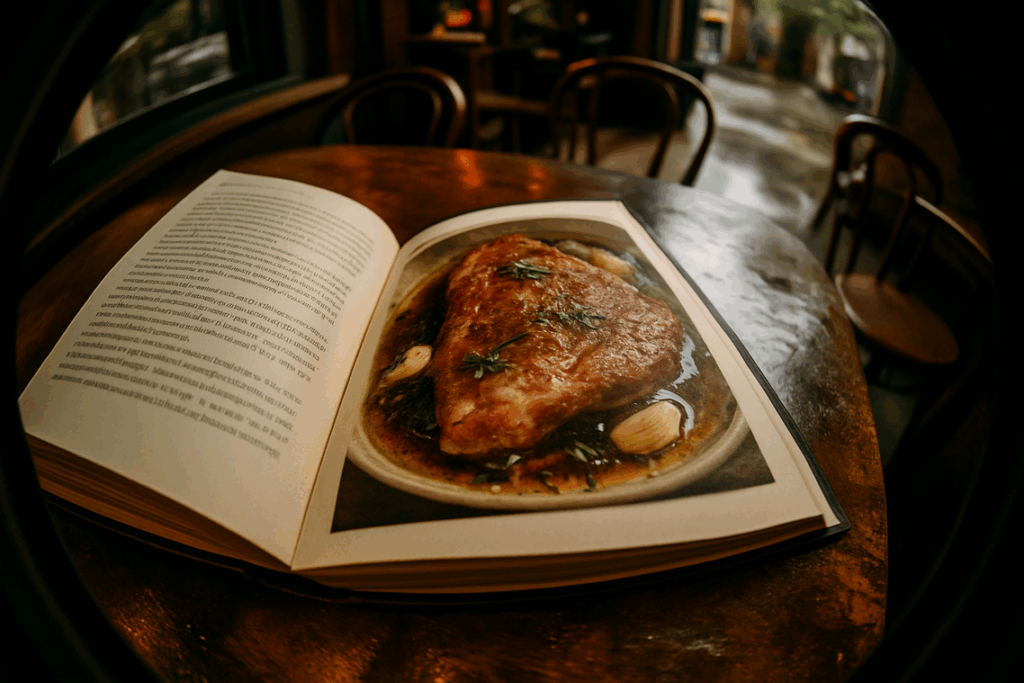
Ever wondered why some marinades transform meat into something irresistibly tender and flavorful, while others barely make a difference? If you’re searching for clear, practical answers about how marinades actually work—and how to use them effectively—you’re in the right place.
This article breaks down the science of marinades in a way that’s easy to apply in your own kitchen. You’ll learn how acids, enzymes, salt, and fats interact with proteins, what really tenderizes versus what just adds surface flavor, and how to avoid common mistakes like over-marinating. Whether you’re prepping weeknight chicken or planning a show-stopping grilled dish, understanding the “why” behind each ingredient helps you cook with confidence.
Our insights are grounded in culinary research, food science principles, and hands-on kitchen testing across a wide range of ingredients and techniques—so you’re not just getting theory, but methods that consistently deliver better flavor and texture.
Ever wonder why your chicken turns out bland or dry despite soaking it overnight? The problem isn’t effort; it’s understanding. This guide unpacks the science of marinades, showing how salt restructures muscle proteins, acids denature fibers, and enzymes like bromelain in pineapple tenderize meat (Journal of Food Science, 2015). As a result, flavor penetrates more effectively while moisture retention improves. However, more time isn’t always better—over-marinating can create mushy textures. By grasping the “why” behind the “how,” you’ll move beyond recipes and confidently craft balanced blends. For deeper technique tips, see our marinating fundamentals guide for consistently delicious meals daily.
A great marinade isn’t magic; it’s structure. Once you understand the three core components, the process becomes far less mysterious (and far more repeatable). At its heart, the science of marinades is about how ingredients interact with protein, fat, and water.
Pillar 1: Acid
First, acid brings brightness and tenderness. Ingredients like citrus juice, vinegar, yogurt, and buttermilk work by denaturing proteins—that is, unraveling tightly coiled protein structures on the surface of meat. This loosening changes texture, making it feel more tender. However, acid mostly affects the exterior, not the center. That’s why ceviche “cooks” shrimp quickly, while a thick steak still needs heat. In short, acid sharpens flavor and softens texture—but too much for too long can make meat mushy.
Next comes fat or oil. Olive oil, sesame oil, or coconut milk add moisture and carry fat‑soluble flavor compounds from spices. Many aromatic molecules dissolve better in fat than water, which means oil helps distribute flavors evenly. Additionally, a light coating of oil reduces sticking on grills or pans. Think of it as flavor transportation and insurance in one.
Finally, flavor and salt create identity. Garlic, herbs, soy sauce, and ground spices build the marinade’s signature taste. Salt deserves special attention: through osmosis (the movement of water across a membrane), it helps moisture and seasoning move deeper into the meat. Some argue marinades only season the surface. While penetration is limited, salt absolutely enhances internal juiciness and flavor when given time.
Together, these three pillars turn simple ingredients into something memorable.
Beyond Flavor: How Marinades Transform Texture
Great marinades do more than add taste—they reshape texture at a molecular level. In the science of marinades, acids (like lemon juice or vinegar) and enzymes (from pineapple or papaya) break down collagen, the tough connective tissue that makes certain cuts chewy. Collagen is a structural protein that tightens when heated, which is why brisket or flank steak can feel like shoe leather without prep. A balanced marinade loosens those protein bonds before cooking, giving you a tender bite instead of a jaw workout.
But here’s the catch: too much acid can backfire. If you’ve ever left fish in citrus too long and ended up with a chalky exterior, you’ve seen the “ceviche effect.” Acid denatures proteins—meaning it unravels their structure—essentially “cooking” the surface without heat. Delicate proteins like shrimp or tilapia can turn mushy fast (and no one wants seafood pâté by accident).
The goal isn’t total breakdown; it’s surface-level softening. Thicker cuts can handle hours, while seafood may need just 15–30 minutes. Pro tip: pair acids with oil and salt to moderate their strength. For flavor balance, review essential herbs and spices every home cook should know: https://tbfoodcorner.com/essential-herbs-and-spices-every-home-cook-should-know/.
From Prep to Plate: Essential Marinating Techniques
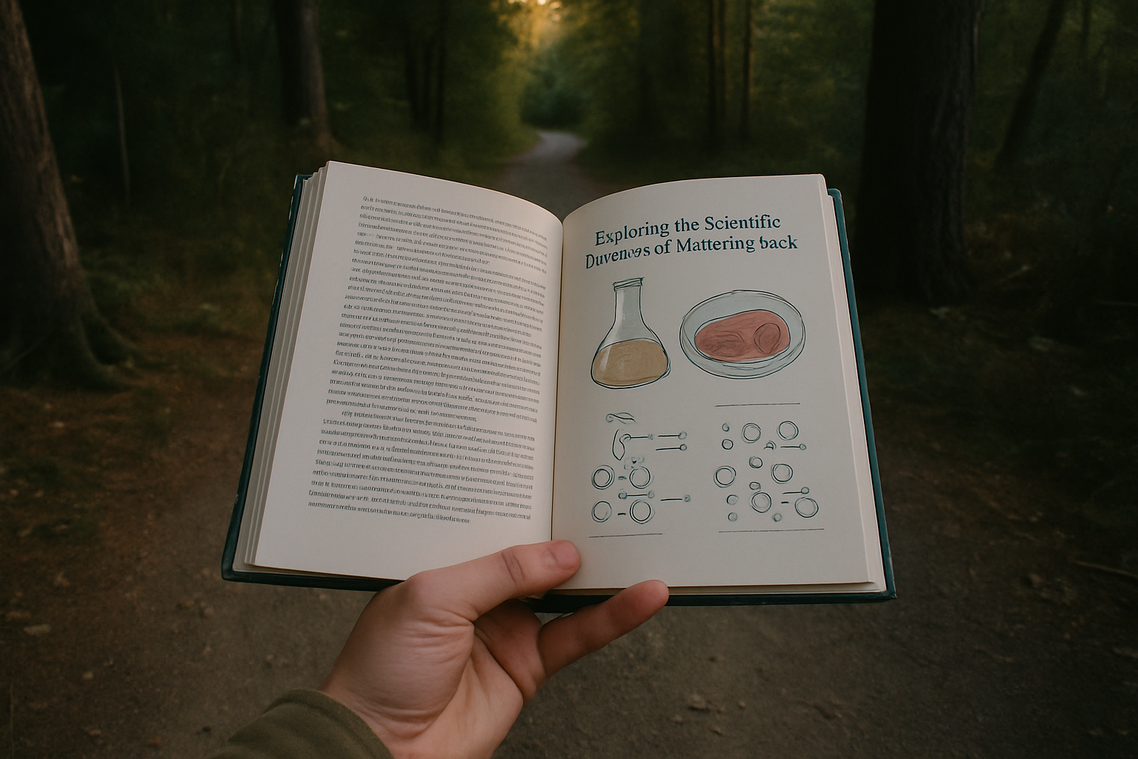
Marinating isn’t just soaking food in sauce—it’s controlled flavor infusion. And surprisingly, most guides skip the small details that make a big difference.
Technique 1: Time as an Ingredient
Time isn’t passive; it’s active. For seafood, 15–30 minutes is plenty. The delicate proteins can turn mushy if left too long (ceviche works because acid “cooks” quickly). Chicken benefits from 2–6 hours, while tough beef cuts like flank or chuck need 6–24 hours to tenderize properly. More is not always better—acid-heavy marinades can break down texture excessively. Pro tip: If your marinade contains citrus or vinegar, err on the shorter side.
Technique 2: The Right Vessel
Equally important, use non-reactive containers—glass, ceramic, or resealable plastic bags. Metal bowls can react with acidic ingredients, creating off flavors and dulling brightness. Resealable bags also press marinade evenly against the surface, reducing waste and maximizing contact.
Technique 3: Maximizing Penetration
Here’s where many competitors stop short. The science of marinades tells us flavor rarely penetrates deeply; it mostly seasons the surface. To improve this, score thick cuts, pierce with a fork, or slice into smaller portions. These channels allow salt and aromatics to travel farther (think of it as giving flavor a shortcut).
Technique 4: Food Safety
Finally, always marinate in the refrigerator—not on the counter. And never reuse marinade that touched raw meat unless you boil it vigorously for several minutes. When in doubt, discard it. Flavor is important. Safety is non-negotiable.
Soggy sear happens when you skip patting meat dry before it hits heat. Moisture on the surface turns to steam, blocking browning, which requires direct contact for the Maillard reaction. Think of it like trying to toast bread in a sauna. Over-tenderizing is another confusion: acids such as lemon juice unravel proteins, so fish or chicken left too long become mushy. That’s the science of marinades at work. Uneven flavor simply means poor contact; surfaces not coated stay bland. Fully submerge or turn pieces regularly for balance, and always rest before cooking. Patience prevents most marinade-related kitchen disappointments and frustration.
Great marinades aren’t lucky—they’re balanced. If you’ve struggled with inconsistent results, it’s usually because one pillar was off. Think A vs B: splash random lemon juice on chicken and hope, or measure acid, fat, and flavor with intent. The first is guesswork; the second follows the science of marinades in the section once exactly as it is given.
Here’s your reset:
- Acid tenderizes
- Fat carries flavor
- Aromatics & salt build depth
Pro tip: start 3:1 oil to acid.
Tonight, build one from scratch. Taste. Adjust. Repeat. That’s cooking with confidence. Balance beats luck every single time. Always.
Master the Flavor, Master the Meal
You came here to truly understand the science of marinades—not just to follow recipes, but to know why flavors penetrate, how acids and enzymes work, and what makes the difference between bland and unforgettable. Now you have the foundation to marinate with purpose, balance, and confidence.
Dry, flat, or inconsistent flavor is one of the most frustrating kitchen pain points. A poorly built marinade can waste great ingredients and valuable time. But when you apply the right ratios, timing, and techniques, every cut of meat, vegetable, or plant-based protein becomes richer, deeper, and more satisfying.
Now it’s your move. Put these techniques into practice in your next meal. Experiment with flavor layers, control your marinating times, and taste the difference precision makes. If you’re ready to elevate every dish from average to exceptional, explore more flavor-building guides and kitchen-tested techniques designed to help you cook smarter—not harder. Your most flavorful meals start today.