Weeknights shouldn’t feel like a race against the clock or a surrender to expensive takeout. This guide is designed to help you break the cycle of chaotic dinners, bland leftovers, and wasted groceries with practical, flavor-focused meal prep strategies. Drawing on proven professional kitchen techniques, it shows you how to prepare meals that stay fresh, vibrant, and satisfying for days. You’ll discover not just what to cook, but how to plan, organize, and store your food efficiently—so you can save time, reduce stress, and enjoy delicious, home-cooked meals all week long.
The Foundation: Strategic Planning for a Successful Week
Strategic weekly planning isn’t about perfection; it’s about direction. I’m a huge believer in starting with a “Flavor Map.” Instead of locking yourself into five rigid recipes, pick a theme—Mediterranean, Tex-Mex, or even cozy Italian. Everything flows from there, and suddenly your ingredients actually make sense together (like the Avengers, but with olive oil).
Next, embrace the “Cook Once, Eat Thrice” mindset. Roast a batch of chicken on Sunday, and you’ve got salads, tacos, and grain bowls handled. In my experience, this is one of the smartest meal prep strategies because it reduces decision fatigue midweek.
Then, create a smart shopping list organized by store sections. It saves time and curbs impulse buys. Finally, time-block your prep. Put it on your calendar. Treat it like a meeting. If it’s scheduled, it happens.
Consistency beats motivation every time, and planning ahead is the quiet superpower of great cooks during busy weeks.
Core Technique: The Art of Batch Cooking
Batch cooking isn’t just a trendy kitchen habit; it’s rooted in food science. When done correctly, it preserves texture, flavor, and nutrients while saving hours each week. In fact, a 2017 study in the International Journal of Behavioral Nutrition and Physical Activity found that people who meal-prepped consumed more balanced diets overall.
Grains and Legumes
First, consider grains. To avoid mushy quinoa or rice, rinse thoroughly to remove excess starch (the culprit behind clumping). Then toast the grains in a dry pan before boiling. This step triggers the Maillard reaction—a chemical process that enhances nutty flavor and aroma. Cook lentils until just tender; overcooking breaks down their cell walls, leading to a paste-like texture. Similarly, undercook pasta slightly so it finishes perfectly when reheated. That small adjustment makes leftovers taste intentional, not tired.
Versatile Proteins
Next, proteins. Poaching chicken breasts at a gentle simmer (about 160–170°F) keeps muscle fibers from tightening too quickly, which helps retain moisture. Ground beef benefits from thorough browning and proper fat draining; excess grease can cause soggy reheats. For plant-based options, press tofu to remove water, then bake at high heat. Research shows moisture reduction improves texture and flavor absorption.
Roasted Vegetables
Finally, roast vegetables at 425°F or higher. Crowded pans trap steam, preventing caramelization. Hardy vegetables like broccoli, cauliflower, sweet potatoes, and Brussels sprouts hold structure well—making them ideal for meal prep strategies. In other words, high heat plus space equals crisp edges instead of limp disappointment.
Flexible Feasting: Component Prepping vs. Full Meals
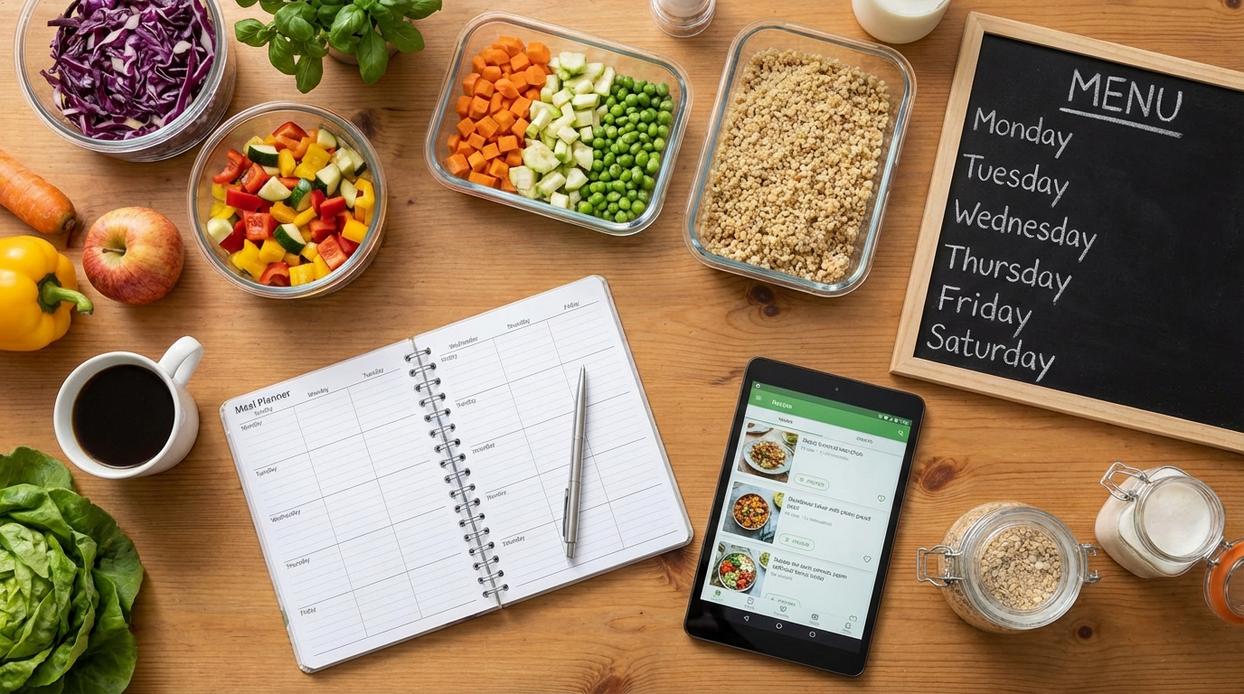
When it comes to weekly cooking, you’ve got two main paths: component prepping or full-meal prepping. Both work—just in different ways.
What Is Component Prepping?
Component prepping means preparing individual ingredients ahead of time—think chopped veggies, cooked grains, roasted proteins, and sauces—so you can mix and match later. Instead of five identical containers of chicken and rice (hello, flavor fatigue), you build different meals from the same base.
For example, grilled chicken can become tacos on Monday, a grain bowl on Wednesday, and a hearty salad on Friday. Same protein, different vibe (your taste buds won’t get bored).
Pro tip: Store components in clear containers at eye level to reduce food waste. If you need help setting up your space, review how to organize your refrigerator for maximum freshness.
Best Foods for Component Prepping
Start with versatile staples:
- Washed and chopped lettuce
- Diced onions
- Shredded carrots
- Cooked proteins (chicken, tofu, beans)
- Cooked grains (rice, quinoa)
- Versatile sauces (vinaigrettes, yogurt sauces, stir-fry blends)
These mix into salads, wraps, bowls, or stir-fries in minutes.
When to Prep Full Meals
Full meals shine when schedules are predictable. Prep portioned lunches for work, post-workout dinners, or family members who eat at set times. Simply cook, divide, cool, and refrigerate.
A Hybrid Approach
For balance, prep 2–3 full meals for your busiest days. Then keep flexible components ready for the rest of the week. This hybrid method combines structure with creativity—arguably the sweet spot of effective meal prep strategies.
Ultimately, the best system is the one you’ll actually use (consistency beats perfection every time).
Preserving Flavor and Freshness: Smart Storage Solutions
In my experience, smart storage makes the difference between leftovers you crave and ones you quietly toss. First, choose the right container. I swear by glass for reheating—it resists stains and odors, and studies note it’s non-reactive compared to some plastics (U.S. FDA). For long-term freezer storage, vacuum-sealed bags limit air exposure, slowing freezer burn.
Just as important, moisture is the enemy. To prevent soggy salads, try these steps:
- Store dressing separately.
- Add a paper towel to leafy greens to absorb condensation.
- Seal only when ingredients are dry.
Next, layering for success matters. Build mason jar salads from bottom to top: dressing, sturdy veggies, proteins, then greens. It’s simple meal prep strategies that actually work (yes, even on chaotic Mondays).
Finally, let hot food cool before sealing. The USDA warns that trapping heat encourages bacterial growth. Patience here isn’t optional—it’s protection.
Your Blueprint for Effortless Weekday Meals
You came here looking for a way to simplify your routine, and now you have a clear plan to make weekday cooking feel manageable instead of overwhelming. With the right meal prep strategies, you can finally eliminate the daily dinner scramble and replace it with calm, confident choices.
The real pain point isn’t cooking — it’s the constant pressure of deciding what to make when you’re already exhausted. A simple, repeatable system solves that.
Start today. Pick one technique, stock your fridge with ready-to-use components, and build momentum. Small steps now mean stress-free meals all week long.