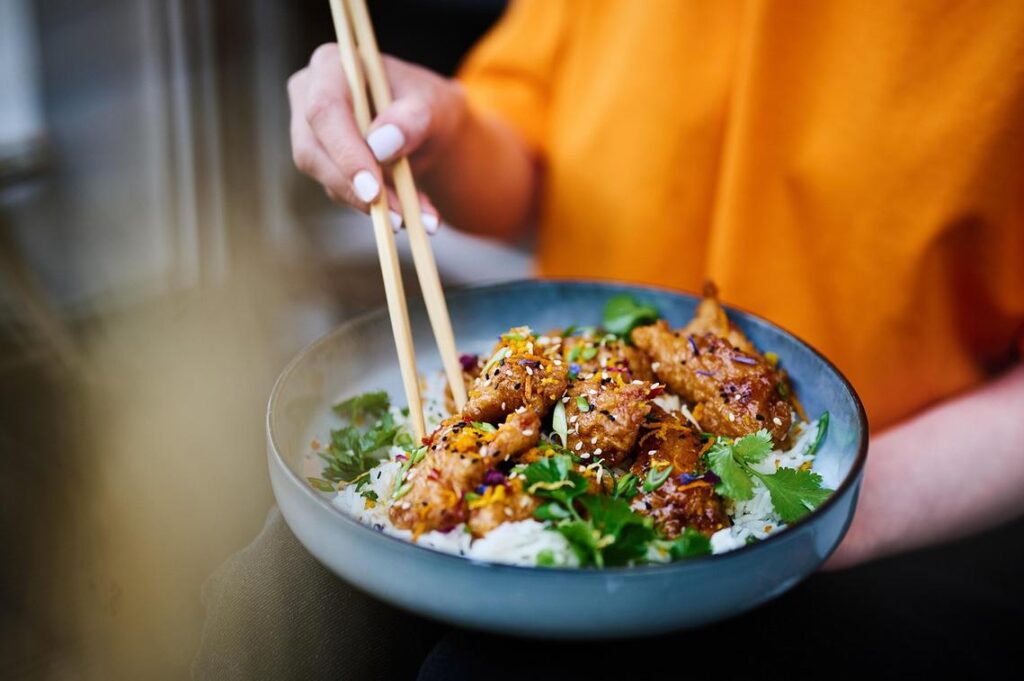
If you’re searching for the flavors, techniques, and ingredients set to define culinary trends 2026, you’re likely looking for more than predictions—you want practical inspiration you can actually use in your kitchen. This article delivers exactly that. We break down the emerging flavor profiles, global influences, cooking methods, and ingredient innovations that are shaping the year ahead, so you can stay ahead of the curve whether you’re planning weekly meals or experimenting with new creations.
Our insights are grounded in ongoing analysis of global cuisine movements, evolving consumer preferences, and professional kitchen techniques that are gaining momentum worldwide. By connecting trend forecasting with real-world application, we ensure you’re not just reading about what’s next—you’re learning how to bring it to life. From bold flavor foundations to smart prep strategies, this guide gives you a clear, reliable roadmap to what’s defining the future of food.
What Your Plate Will Look Like in 2026
The culinary landscape is shifting fast. “Five years ago, I’d never stock seaweed butter,” a Brooklyn chef told me. “Now I can’t keep it on the menu.” So what’s hype—and what sticks? Let’s break down culinary trends 2026.
First, AI-assisted appliances move from novelty to norm. Meanwhile, ancient grains like fonio return (yes, everything old is new again).
| Shift | What It Means |
|—|—|
| Smart Kitchens | AI suggests recipes from leftovers |
| Ancestral Flavors | Fermentation, heritage grains |
Skeptics say it’s faddish. However, demand for functional foods keeps rising (McKinsey, 2024). Pro tip: start with one fermented staple.
The Rise of ‘Computational Cuisine’: AI in the Home Kitchen
Computational cuisine sounds futuristic, but it simply means using artificial intelligence to design, refine, and personalize how we cook. Unlike basic recipe apps that just store instructions, AI-driven culinary assistants analyze your dietary needs, flavor preferences, and even the random ingredients in your fridge to generate tailored meal ideas. Think of it as a sous-chef who never forgets what’s about to expire (and never judges your late-night snack habits).
A Smarter Way to Use What You Have
One of the most practical benefits is reducing food waste. If you’ve got a lone carrot, half an onion, and some leftover rice, AI can suggest:
- A quick carrot-ginger fried rice with caramelized onion
- A rustic carrot and onion galette
- A blended carrot miso soup using pantry staples
By cross-referencing thousands of recipes, it identifies overlapping ingredients and techniques, turning scraps into something intentional. The UN estimates roughly one-third of global food is wasted annually (FAO), so even small kitchen changes matter.
Expanding Your Flavor Horizons
AI also explores unexpected pairings—like strawberry with black pepper or miso with butternut squash—by analyzing successful combinations across cuisines. This aligns with culinary trends 2026, where global fusion and personalization lead home cooking.
Still, AI isn’t replacing intuition. It handles the tedious planning so you can focus on taste, texture, and timing. Pro tip: use AI suggestions as a starting point, then adjust seasoning boldly. Your palate remains the final authority.
Global Flavors, Hyper-Local Sources
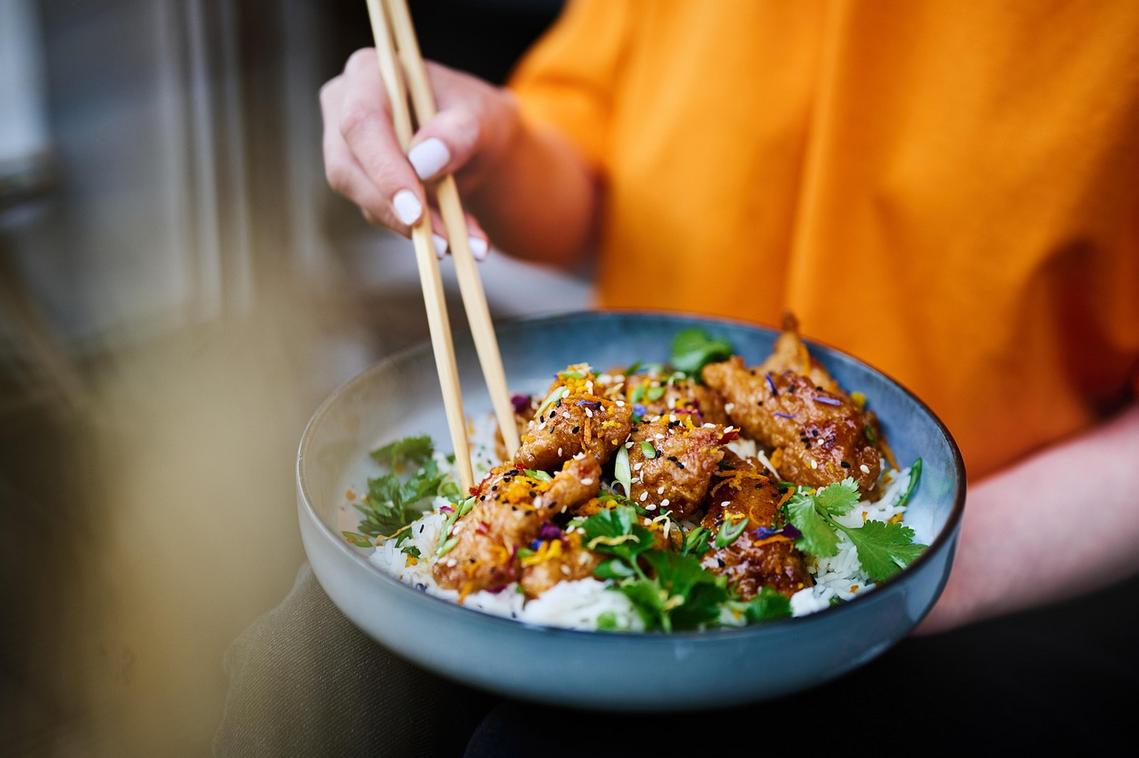
First, let’s clarify a term you’ll hear more often: hyper-localism. While farm-to-table usually means sourcing from regional farms, hyper-localism narrows the radius dramatically—sometimes to ingredients grown within a few miles of your kitchen. That could include heirloom varietals (older plant varieties preserved for flavor, not shipping durability) or even foraged foods like wild ramps and wood sorrel. In other words, it’s less “from the state” and more “from down the road.”
At the same time, global cuisine isn’t going anywhere. So how do these ideas coexist? Here’s where things get interesting. Imagine a classic Filipino sinigang, traditionally soured with tamarind. Instead of importing tamarind, a cook might use local rhubarb or sorrel to recreate that signature tang. The structure of the dish remains authentic, but the ingredients reflect the local landscape. It’s adaptation without erasure (and yes, purists may raise an eyebrow).
Some argue that substituting ingredients dilutes culinary heritage. That’s a fair concern. However, cuisines have always evolved based on geography and trade. Italian tomatoes, after all, originated in the Americas. Food history is adaptation.
Understanding your terroir—a term borrowed from wine that describes how soil, climate, and environment affect flavor—builds a stronger cooking foundation. When you know how your local garlic tastes in spring versus fall, seasoning becomes intuitive.
Meanwhile, emerging favorites like Georgian and Peruvian cuisines are gaining traction in culinary trends 2026. Their bold herbs, fermented elements, and bright acids translate beautifully to North American produce—proving global inspiration and hyper-local sourcing aren’t opposites, but partners.
The Third Wave of Alternative Proteins
Back in the 1970s, the first wave of alternative proteins arrived quietly: tofu and tempeh. These soy-based staples (fermented soybean cakes, for the uninitiated) were nutritious but rarely fooled anyone into thinking they were steak. Fast-forward to 2019, and the second wave—plant-based burgers that “bleed” thanks to soy leghemoglobin—hit fast-food grills nationwide (yes, that drive-thru moment mattered).
Now, in 2026, we’re firmly in the third wave.
This phase is about texture, technique, and total culinary experience.
Instead of crumbles and patties, we’re seeing:
- Mycelium steaks: whole-cut slabs grown from mushroom root structures, prized for their fibrous bite
- Precision-fermented dairy: animal-free whey and casein made by programming microbes (think beer brewing, but for protein)
- Air-based protein: microbes fed carbon dioxide to create flour-like protein powders
Critics argue these methods are “too lab-grown” to feel natural. That’s fair. But fermentation has shaped bread, cheese, and wine for centuries. The difference now is scale and specificity (and better PR).
The real shift? Cooking technique. A mycelium steak can develop a Maillard sear—the browning reaction that creates savory crust—after three minutes per side in a hot cast-iron pan. Fermentation-derived whey performs like conventional whey in baking, delivering structure to cakes and elasticity to pizza dough.
Expect these proteins in the refrigerated aisle and baking section within months, reshaping weekly meal prep and nutrition labels alike. This is one of the defining culinary trends 2026 will be known for—and a clear example of how food culture is evolving in the digital age.
Back to the Fire
As kitchens get smarter, many cooks are rediscovering hands-on technique. Open-fire cooking goes beyond grilling steaks; it means managing embers, controlling airflow, and understanding radiant heat. Advanced fermentation—koji, miso, natural starters—builds layered umami through controlled microbial activity. Classic preservation like curing and pickling teaches patience and precision. Mastery of these foundations deepens flavor intuition in ways gadgets cannot replicate. In culinary trends 2026 conversations, skeptics argue smart appliances guarantee consistency. They help, but skill lets you troubleshoot bland ferments or oversmoked fish. Start small: practice salt ratios and fire management weekly. Flavor literacy becomes permanent knowledge.
Preparing Your Palate for the Future
The kitchen is evolving. AI assistance helps you reduce waste and perfect timing (like having a sous-chef who never sleeps). Hyper-local globalism connects you to farmers while exploring flavors. Third-wave proteins—think precision-fermented dairy or mushroom-based meats—offer options without sacrificing taste. And foundational skills keep you confident when gadgets fail.
What’s in it for you?
- Smarter cooking with less guesswork
- Bolder flavors from unexpected ingredients
- Greener habits that lower your footprint
By blending technology and tradition, you future-proof your table. Start small: try one technique or source a local ingredient inspired by culinary trends 2026.
Stay Ahead in Your Kitchen
You came here to understand where food is headed and how to bring those flavors, techniques, and ideas into your own kitchen. Now you have a clearer view of the ingredients, methods, and influences shaping culinary trends 2026—from global flavor fusion to smarter prep strategies and elevated comfort dishes.
The real challenge isn’t finding inspiration. It’s knowing how to apply it in a way that saves time, reduces stress, and still delivers unforgettable flavor. Falling behind on trends can make meals feel repetitive and uninspired—but staying ahead keeps your cooking exciting and relevant.
Here’s your next move: start experimenting with one new technique or global ingredient this week. Refresh your prep routine. Test a modern twist on a classic favorite. Small changes create big impact.
If you’re ready to turn trend knowledge into standout meals, explore more expert-backed recipes, kitchen hacks, and flavor guides trusted by passionate home cooks everywhere. Don’t just read about what’s next—bring it to life in your kitchen today.