Ever stare at a spice rack full of jars, yet meals still taste bland? I get it. It’s frustrating, right?
You have all these herbs and spices, but which ones actually matter? We’re cutting through the noise today. I’m here to show you the important kitchen herbs that transform meals from good to unforgettable.
This isn’t about collecting jars. It’s about knowing which herbs are your secret weapons.
I’ve transformed countless home-cooked meals by mastering just a few key herbs. Trust me, I’ve been there, tasting the difference a pinch of basil or rosemary makes. I promise you a practical, no-fluff guide that lists these herbs but explains why they’re important and how to use them to raise your cooking instantly.
Ready to spice things up?
The Flavor Foundation: Your Starting Trio
Let’s talk about the important kitchen herbs you really need. I call them the “workhorse” group. Why?
Because these three herbs fit into nearly any cuisine and provide a solid base for countless dishes. First up, flat-leaf parsley. It’s got that clean, peppery, and bright flavor.
Not like its curly cousin (which is more about looks than taste). Use flat-leaf parsley to build background flavor in soups and stocks. Then toss it on pastas and salads for a fresh finish.
Now, thyme. It’s earthy, slightly minty, and savory. A true hero in long-cooking dishes.
Think stews, roasts, and braises. Thyme just hangs in there, adding depth without stealing the show. If you’re new to thyme, try this: roast some potatoes with olive oil and a sprinkle of thyme.
You’ll thank me later.
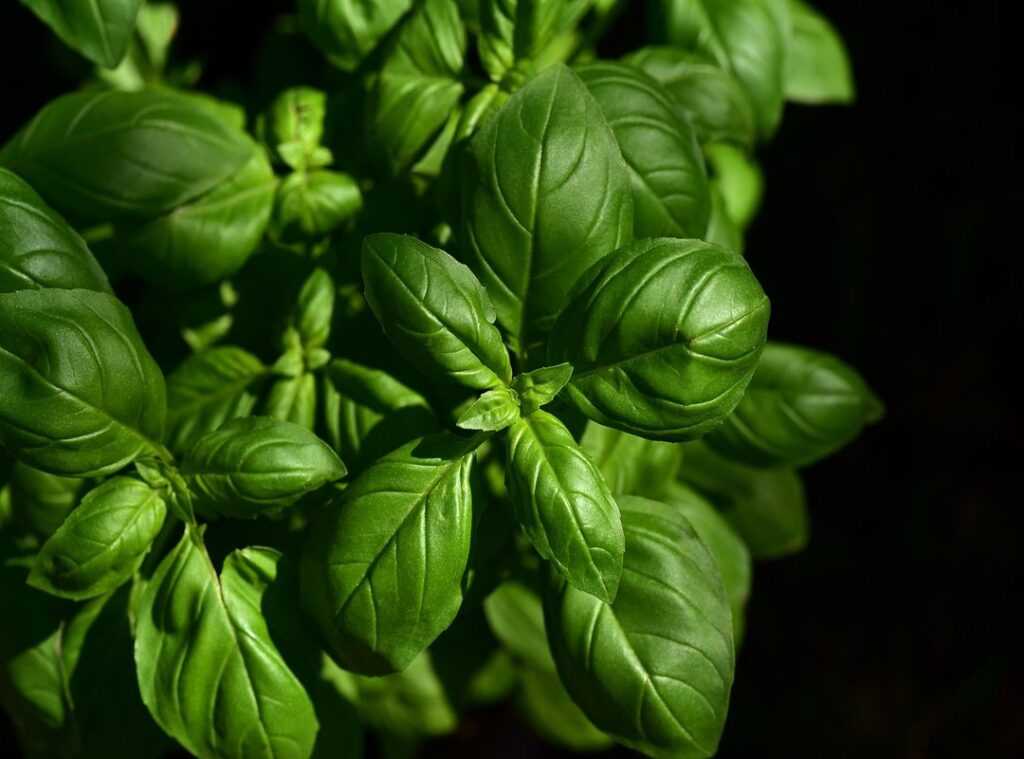
Finally, there’s basil. Sweet/Genovese basil, to be precise. Its sweet, peppery aroma with a hint of anise is unmistakable.
It’s the star of Italian-inspired dishes. Imagine pairing it with tomatoes, garlic, and olive oil. Perfection.
But remember, add basil at the end of cooking. This way, it keeps its flavor intact.
These herbs are like the perfect trio in a band, each playing their part to create harmony in your kitchen. For more on how to build flavors, check out this perfect marinade for every dish. It’s all about layering flavors and getting the most out of every ingredient.
Ready to start cooking?
Mediterranean Magic: Herbs for Strong, Sun-Kissed Dishes
When I think of Mediterranean food, I imagine sun-drenched terraces and the unmistakable aroma of important kitchen herbs (rosemary,) oregano, and sage. These herbs don’t just survive heat; they thrive in it.
Rosemary is where it all starts for me. You know that piney, woody scent that fills the air when you walk through a forest? That’s rosemary.
It’s intense, so be careful. You don’t want to overdo it. It pairs beautifully with lamb, chicken, and focaccia bread.
Pro tip: bruise the leaves a bit before adding them to your dish. It releases more of those aromatic oils. Can you smell what I’m saying?
Then there’s oregano, the unsung hero of Greek and Italian kitchens. Fresh oregano is milder than its dried counterpart, which packs a punch. It’s the essence of pizza and tomato sauces.
Ever tried a simple vinaigrette with oregano, lemon juice, and olive oil? It’s a game-changer. A trick I learned in a tiny trattoria.
You should try it. You’ll thank me later.
Sage, though, is a different beast. Its soft, fuzzy leaves hold a savory, peppery punch, with a hint of musk. It’s perfect with rich foods like pork and sausage.
And don’t even get me started on brown butter sauces. Here’s a quick technique: fry whole sage leaves in butter until they’re crisp. It makes a delicious garnish that’s impossible to resist.
If you’re interested in diving deeper into how these herbs transform dishes, I recommend checking out resources on cooking important culinary herbs. Mediterranean cooking wouldn’t be the same without them. So go ahead, let these herbs transport you to a sunlit coast, where food is simple, yet unforgettable.
Bright & Bold: Herbs that Lift and Electrify
Let’s talk about the unsung heroes of your spice rack: important kitchen herbs. These are the finishing touches that can turn your dish from “meh” to “wow.”

Take cilantro, for example. You either love it or hate it. That’s not up for debate.
Its bright, citrusy, and slightly pungent flavor is indispensable in Latin American, Southeast Asian, and Indian cuisines. Cilantro brings life to salsas, curries, and tacos. And don’t just use the leaves.
Its tender stems are equally flavorful.
Now, mint. I think it often gets typecast as a sweet herb, pigeonholed into desserts and teas. But there’s so much more to it.
Its cool, sweet, and refreshing power can cut through the richness of savory dishes. Have you tried it with lamb or peas? It’s like a revelation.
Plus, it pairs beautifully with yogurt sauces like tzatziki.
Then there’s dill. It’s got this feathery texture and a grassy, slightly sweet flavor with a hint of anise. It’s a star in Scandinavian and Eastern European cooking.
Dill is perfect with salmon, potatoes, cucumbers, and any dish involving yogurt or sour cream.
These herbs are the final touch your cooking needs. They add freshness and complexity, often used raw or at the end of cooking. They’re not just garnish; they’re game-changers.
And speaking of adding depth to your dishes, ever wondered about Stock Vs Broth Whats The Difference? It’s fascinating how a simple choice alters your cooking.
So next time you’re at the market, grab these herbs. They might just electrify your meals in ways you didn’t expect.
Pro Tips: Storing, Swapping, and Mastering Your Herbs
Ever stared at a wilting bunch of cilantro and thought, “What now?” Yeah, me too. Fresh herbs are the important kitchen herbs you don’t want to waste. So how do we stretch their life?
Let’s get into it.
First, the age-old question: fresh vs. dried. Here’s the quick math: 1 tablespoon fresh equals 1 teaspoon dried. Why?
Dried herbs are more concentrated, perfect for those slow-cooked stews. Fresh ones? They’re your go-to finishers, adding a burst of flavor at the end.
Now, let’s talk storage. The ‘Bouquet Method’ is a lifesaver for tender herbs like parsley, cilantro, and basil. Just trim the stems and pop them in a jar of water like you would with flowers.
Woody herbs like rosemary and thyme? Wrap them in a damp paper towel and tuck them in the crisper drawer. Easy, right?
Got five minutes? Make a quick herb butter. Chop your herb of choice, mix it with softened butter, salt, and maybe a bit of garlic.
Roll it into a log. Now you’ve got a flavor bomb ready to go. Slap it on steak, bread, or veggies.
It’s like having a chef’s secret weapon in your fridge.
Pro tip: Experiment with different herbs in your compound butters. You might stumble upon your new favorite combo. Keep those herbs fresh and your meals flavorful.
Who knew a little storage trick could do so much?
Spice Up Your Kitchen Adventure
Feeling stuck with bland meals? I get it. The world of flavors can seem overwhelming.
But you don’t need a pantry full of spices. Just a handful of important kitchen herbs can bridge the gap between the food you dream of and your current reality. By mastering these nine herbs, you open up endless possibilities for delicious dishes.
So here’s my challenge: pick one herb you haven’t tried, buy it fresh, and use it this week. Boost your culinary confidence. Ready to level up your kitchen game?
Start experimenting now. You won’t regret it.
 Head of Culinary Content & Recipe Development
There is a specific skill involved in explaining something clearly — one that is completely separate from actually knowing the subject. Max Bessleroid has both. They has spent years working with flavorful cooking foundations in a hands-on capacity, and an equal amount of time figuring out how to translate that experience into writing that people with different backgrounds can actually absorb and use.
Max tends to approach complex subjects — Flavorful Cooking Foundations, Explore More, Kitchen Prep Hacks being good examples — by starting with what the reader already knows, then building outward from there rather than dropping them in the deep end. It sounds like a small thing. In practice it makes a significant difference in whether someone finishes the article or abandons it halfway through. They is also good at knowing when to stop — a surprisingly underrated skill. Some writers bury useful information under so many caveats and qualifications that the point disappears. Max knows where the point is and gets there without too many detours.
The practical effect of all this is that people who read Max's work tend to come away actually capable of doing something with it. Not just vaguely informed — actually capable. For a writer working in flavorful cooking foundations, that is probably the best possible outcome, and it's the standard Max holds they's own work to.
Head of Culinary Content & Recipe Development
There is a specific skill involved in explaining something clearly — one that is completely separate from actually knowing the subject. Max Bessleroid has both. They has spent years working with flavorful cooking foundations in a hands-on capacity, and an equal amount of time figuring out how to translate that experience into writing that people with different backgrounds can actually absorb and use.
Max tends to approach complex subjects — Flavorful Cooking Foundations, Explore More, Kitchen Prep Hacks being good examples — by starting with what the reader already knows, then building outward from there rather than dropping them in the deep end. It sounds like a small thing. In practice it makes a significant difference in whether someone finishes the article or abandons it halfway through. They is also good at knowing when to stop — a surprisingly underrated skill. Some writers bury useful information under so many caveats and qualifications that the point disappears. Max knows where the point is and gets there without too many detours.
The practical effect of all this is that people who read Max's work tend to come away actually capable of doing something with it. Not just vaguely informed — actually capable. For a writer working in flavorful cooking foundations, that is probably the best possible outcome, and it's the standard Max holds they's own work to.