
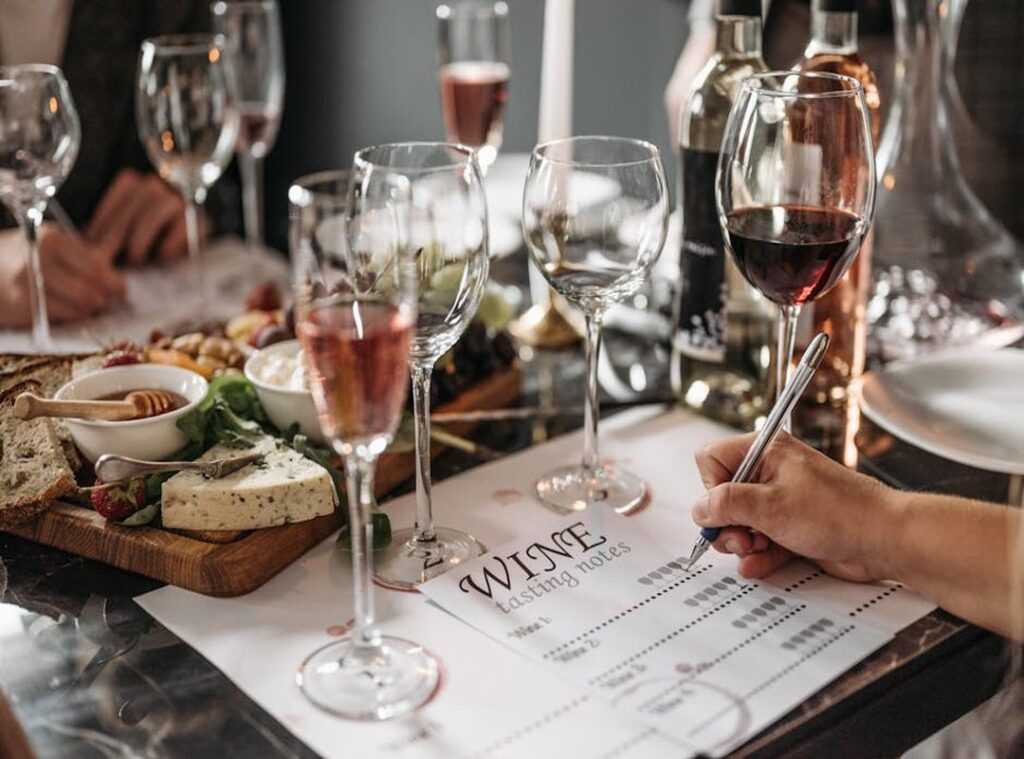
Ever felt that slight panic when picking a wine for a special dinner? You’re not alone. We all want to get it just right, don’t we?
That’s where this guide steps in. It’s not about stuffy rules or pretentious tips. It’s about unlocking the wine pairing essentials and making confident choices.
After years of passionately experimenting with flavors, I’ve discovered what truly works.
Why trust this guide? Because I’ve lived it. I’ve tasted, tested, and learned.
This isn’t just a list of pairings. It’s a foundational guide to understanding why some wines make your meals sing.
Ready to uncover the secrets behind unforgettable pairings? Dive in and transform your dining experiences into something extraordinary. You’ll walk away with the skills to impress, every time.
The Philosophy of Flavor: Breaking Old Wine Myths
Forget the old saying “Red with meat, white with fish.” It’s all about balance and harmony. Pairing isn’t following rules written in stone; it’s about what works. Does that mean you can’t have red wine with fish?
Of course not. It’s about the flavors, the way they dance together.
One key idea? Weight matching. Think rich food, like a ribeye steak, needs a strong partner, like Cabernet Sauvignon.
On the flip side, light meals, such as sole, sing with a light-bodied wine like Pinot Grigio. Makes sense, right?
Let’s talk acidity. Ever squeeze lemon over fried fish? High-acid wines work the same way, cutting through fat and refreshing the palate.
It’s like a reset button, cleansing your taste buds.
What about tannin? It’s that mouth-drying sensation in reds. Matches perfectly with fatty meats, adding structure to each bite.
Picture a juicy steak with a glass of tannic wine. An unbeatable duo!
Sweet wines have a special trick: taming spicy dishes. Ever tried them with spicy Asian cuisine? The sweetness cools the fire, balancing the flavors.
There’s more to discover in wine pairing essentials. But remember, it’s about what delights you. Rules can guide, but don’t let them limit you.
Looking for more inspiration and cooking takeaways? Check out this guide starting food blog successfully. You might just find your next culinary adventure.
In the end, it’s all about the journey, the tasting. Don’t get stuck in old myths. Explore flavors with an open mind.
Your palate will thank you.
Mastering the Classics: Iconic Wine Pairing Tips
When it comes to wine pairings, I’ve learned that sometimes you just have to trust your taste buds. But to some classics. They’re classics for a reason, right?
For Bold Red Wines (like Cabernet Sauvignon and Malbec): These wines scream for grilled steaks or braised short ribs. The tannins in the wine meet their match with the fat in the meat. It’s like magic. Aged cheddar cheese works too. The creaminess of the cheese tempers the boldness of the wine, creating a smooth, rich experience.
For Lighter Red Wines (such as Pinot Noir and Gamay): Think roast chicken or mushroom risotto. Why? The bright acidity in these wines plays nicely with earthy flavors. Trust me, it doesn’t overpower. The subtle fruit notes in Pinot Noir complement these dishes perfectly, keeping everything in balance.
For Crisp White Wines (like Sauvignon Blanc and Pinot Grigio): If you’re into flaky white fish, goat cheese salads, or green veggies, these wines are your go-to. Picture this: the zesty acidity of the wine acts like a vinaigrette. It enhances the fresh flavors of the food. Simple but effective. You don’t want it any other way.
For Rich White Wines (such as Chardonnay and Viognier): Creamy pasta dishes, lobster with butter, and corn chowder beg for these wines. The full body and buttery notes of Chardonnay mirror the richness of such dishes. It’s harmonious. A pairing you can’t skip.
And here’s a pro tip: never underestimate the power of bold pairing. Sometimes, unexpected combinations can surprise you (in a good way).
Want more on this? Check wine pairing essentials for a deeper dive into pairing strategies.
So, what’s stopping you? Grab that bottle. Whether you’re planning a dinner party or a quiet night in, these basics can guide you.
It’s about the experience. , it’s your palate’s journey. Enjoy every sip and bite. That’s the real art of wine pairing.
New Flavors: Bold Pairings for the Adventurous
Who doesn’t love a little surprise on their taste buds? If you’re a fan of stepping into uncharted territories. Especially with food (I’ve) got some wine pairing essentials that might just blow your mind. to this flavor expedition, shall we?
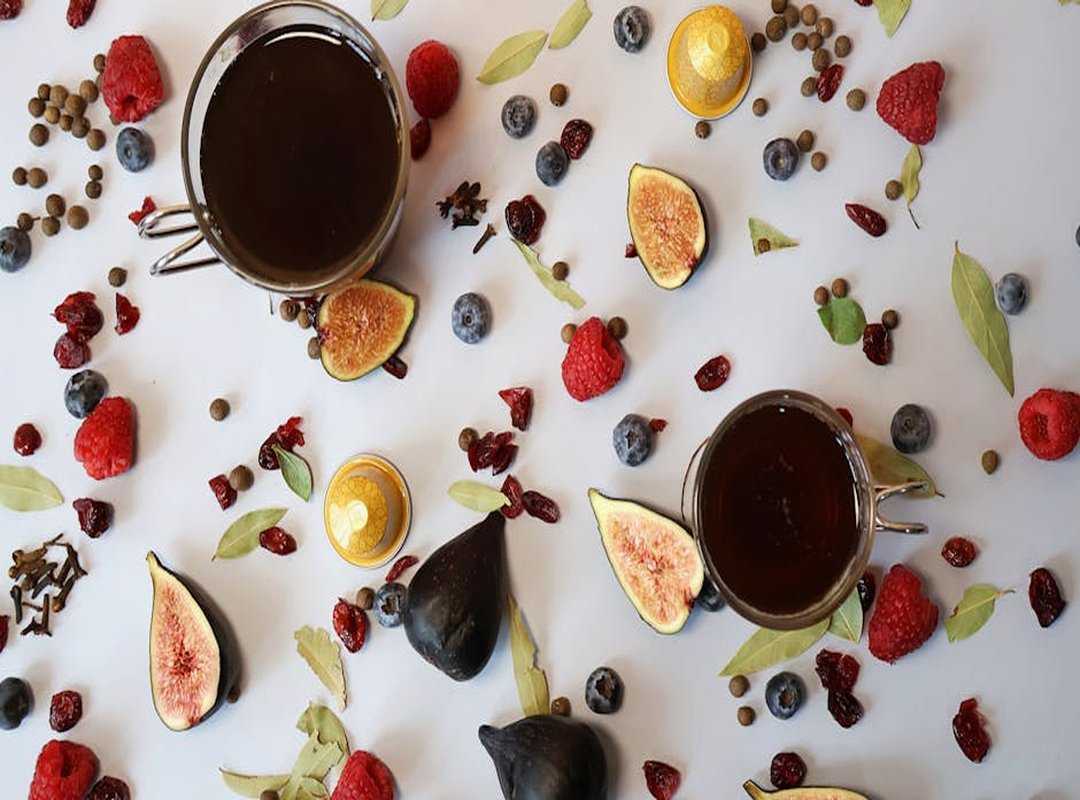
Spicy Thai or Indian Curry with Off-Dry Riesling (this) combo is the culinary equivalent of a fire and ice mashup. You know, like those old buddy cop movies (but way tastier). The slight sweetness of the Riesling tempers the spice, a perfect yin to that fiery yang. And the high acidity of the wine? It acts like a reset button for your taste buds.
Now, picture this: Fried Chicken with Champagne or Sparkling Wine. It’s magic. I mean, who knew bubbly could cut through grease like a knife through butter, right?
The bubbles and acidity make you feel like each bite is the first one. Trust me, it’s a match made in food heaven.
Then there’s the snack attack: Salty Popcorn or Potato Chips with a Dry Rosé. This pairing is about contrasts. The wine’s crisp, fruity notes dance with the salty snacks.
It’s like a party on your tongue (and you’re invited).
And let’s not forget Tacos al Pastor with a Fruity Grenache. The wine’s red fruit flavors complement the pork and pineapple so well they could be in a rom-com. There’s no clashing with the spice either; it’s more like a flavor harmony.
Feeling inspired yet? If you’re looking for more culinary adventures, maybe check out some food photography tips beginners might find handy. It’s about capturing that perfect moment when the unexpected becomes delicious.
So grab a glass, a snack, and start your own flavor journey. Cheers to trying something new!
Wine Pairing Pitfalls: Avoid These Common Mistakes
We’ve all messed up a pairing (I know I have). First up, overpowering delicate food. Picture this: a rich Cabernet with a delicate fish dish.
Next, watch out for bitterness. Tannic red wines and bitter greens like arugula? Big no.
Disaster, right? The wine just bulldozes over the subtle flavors.
It creates a weird metallic taste that’s hard to shake. Same goes for pairing with very fishy fish. Trust me, you don’t want that.
And here’s a pro tip: don’t ignore the sauce. The sauce often sets the dominant flavor of your dish, not the protein. So, if you’re having a creamy garlic sauce, pick a wine to match that, not just the chicken or steak.
These are your wine pairing essentials. Get them right, and your meals will sing. Go ahead, impress your friends without any of those awkward pairing fumbles.
After all, we all want our meals to shine.
Dive into Wine Pairing Adventures
Worrying about picking the wrong wine? Forget it. Understanding simple balance principles lets you craft amazing food and wine moments.
That’s the secret behind wine pairing essentials. So, ready for a challenge? Pick one pairing from this guide and test it this week.
Feel inspired, confident, and excited. Don’t just read about it. Experience it.
Visit tbfoodcorner.com to discover more and embrace the flavor adventure. Ready for a taste revolution? Start now.
 Founder & Culinary Director
Othric Quenvale has opinions about corner culinary techniques. Informed ones, backed by real experience — but opinions nonetheless, and they doesn't try to disguise them as neutral observation. They thinks a lot of what gets written about Corner Culinary Techniques, Flavorful Cooking Foundations, Kitchen Prep Hacks is either too cautious to be useful or too confident to be credible, and they's work tends to sit deliberately in the space between those two failure modes.
Reading Othric's pieces, you get the sense of someone who has thought about this stuff seriously and arrived at actual conclusions — not just collected a range of perspectives and declined to pick one. That can be uncomfortable when they lands on something you disagree with. It's also why the writing is worth engaging with. Othric isn't interested in telling people what they want to hear. They is interested in telling them what they actually thinks, with enough reasoning behind it that you can push back if you want to. That kind of intellectual honesty is rarer than it should be.
What Othric is best at is the moment when a familiar topic reveals something unexpected — when the conventional wisdom turns out to be slightly off, or when a small shift in framing changes everything. They finds those moments consistently, which is why they's work tends to generate real discussion rather than just passive agreement.
Founder & Culinary Director
Othric Quenvale has opinions about corner culinary techniques. Informed ones, backed by real experience — but opinions nonetheless, and they doesn't try to disguise them as neutral observation. They thinks a lot of what gets written about Corner Culinary Techniques, Flavorful Cooking Foundations, Kitchen Prep Hacks is either too cautious to be useful or too confident to be credible, and they's work tends to sit deliberately in the space between those two failure modes.
Reading Othric's pieces, you get the sense of someone who has thought about this stuff seriously and arrived at actual conclusions — not just collected a range of perspectives and declined to pick one. That can be uncomfortable when they lands on something you disagree with. It's also why the writing is worth engaging with. Othric isn't interested in telling people what they want to hear. They is interested in telling them what they actually thinks, with enough reasoning behind it that you can push back if you want to. That kind of intellectual honesty is rarer than it should be.
What Othric is best at is the moment when a familiar topic reveals something unexpected — when the conventional wisdom turns out to be slightly off, or when a small shift in framing changes everything. They finds those moments consistently, which is why they's work tends to generate real discussion rather than just passive agreement.