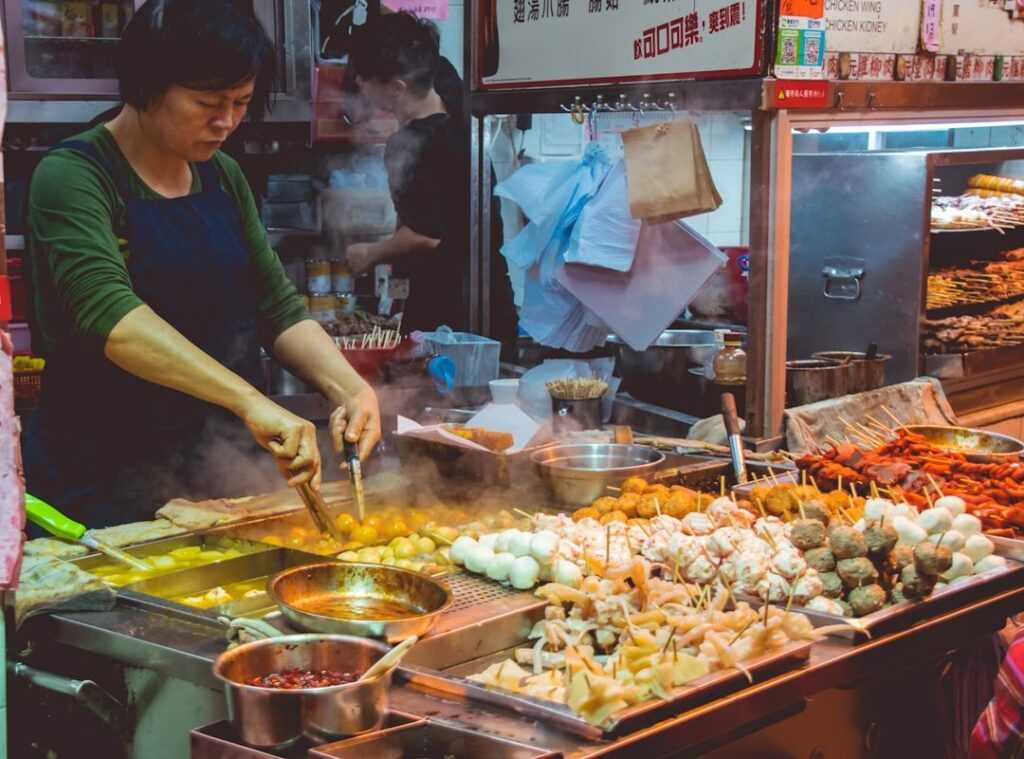
Ever been hit by the aroma of sizzling noodles on a bustling Bangkok street? I have, and let me tell you, there’s nothing like it. Thai street food flavors are a sensory overload, an explosion of taste that many of us crave but can’t quite find outside Thailand. It’s a real struggle, isn’t it?
You think you’ve found the perfect spot, but it’s just not the same. I come in.
You want authenticity. You want the real deal. I get it.
Want to know why that Pad Thai you had didn’t quite hit the mark? to the cultural roots and culinary secrets behind these flavors. It’s more than just a recipe; it’s history on a plate. Trust me, I’ve done my homework (think leading chefs and food historians).
By the end, you’ll know what makes Thai street food so unique and how to bring a bit of that magic into your own kitchen.
The Essence of Thai Street Food Culture: A Flavorful Journey
Thai street food flavors are a delightful explosion of taste and culture. It’s not just about grabbing a quick bite. Street food in Thailand is a window into the country’s soul.
Imagine wandering through bustling markets, the air thick with the aroma of spices. It’s a sensory overload, sure, but in the best way possible.
Historically, Thai street food has roots deep in the community. Vendors pass down recipes like family heirlooms, ensuring each dish remains authentic. You taste history with every bite.
Street food isn’t just food. It’s an economic lifeline for many. Vendors are the backbone of this lively culture, supporting families and communities.
They keep traditions alive with every bowl of steaming noodles or skewered meat.
But what about its role socially? Street food is where people meet, chat, and connect. It’s not just eating; it’s participating in a shared experience.
In a way, it mirrors the communal nature of Thai society itself.
And hey, if you’re curious about other culinary adventures, consider a Journey Through Mediterranean Cooking. It’s a different flavor palette, but equally rich in tradition. Thai street food and Mediterranean cuisine both offer a taste of history and culture.
Unlocking Thai Flavors: A Culinary Journey
Thai street food flavors are like a symphony in your mouth. You know what I’m talking about, right? The harmony of sweet, sour, salty, and spicy creates an experience that’s hard to forget.
If you’ve ever tasted authentic Thai, you know it’s these key ingredients that make the magic happen.
Let’s start with lemongrass. It’s the backbone of many Thai dishes, lending a citrusy aroma that’s unmistakable. Kaffir lime leaves are another powerhouse.
Their intense fragrance punches through soups and curries like a seasoned boxer. And don’t get me started on fish sauce. This isn’t just any condiment.
It’s the salty soul of Thai cuisine, providing depth and umami like nothing else can.
Balance is key. Each dish is a dance of flavors, none overpowering the other. Too much spicy, and you lose the sweet.
Too salty? The sour disappears. It’s an art form, really.
Sourcing these ingredients might feel daunting, especially outside Thailand. But here’s a pro tip: Asian supermarkets often have everything you need. No Asian store nearby?
Consider searching online specialty shops or even local farmers’ markets. Thai cuisine deserves the best, even if you have to look a little harder.
For a taste of what real Thai street food offers (the kind that makes your mouth water just thinking about it), check out 28 thailand street foods you cannot miss. It’s a journey worth taking. Trust me, once you start playing with these ingredients, there’s no going back.
Must-Try Authentic Thai Street Dishes: A Flavor Adventure
Craving something unique? Thai street food flavors never disappoint. You can’t talk about Thai food without diving into Pad Thai, that iconic noodle dish tossed with shrimp or chicken and that unmistakable tamarind tang.
It’s street food royalty, and for good reason.
Som Tum, or spicy papaya salad, is another must. The way the papaya crunches alongside those fiery chilies is something you just can’t miss. A northern twist?
Add crab or fermented fish sauce. Be ready for an intense flavor punch (not for the faint-hearted).
Now, who doesn’t want dessert? Mango Sticky Rice is a sweet, sticky dream. The coconut milk poured over glutinous rice paired with ripe mango.
It’s like dessert reached nirvana. Trust me, this will keep you coming back for more.
Every region in Thailand tweaks these dishes, making them truly distinct. Head south, and you might find your Pad Thai with a bit more spice. Northern Thailand has its own version of Som Tum, often with fermented fish sauce.
This variation in flavor profiles is what makes exploring Thai cuisine so exhilarating.
I mean, don’t you love it when food tells a story? These dishes fill your belly but give you a taste of Thailand’s culture. From bustling Bangkok streets to serene Chiang Mai corners, each bite is an adventure.
Speaking of adventures, if you’re into exploring more flavors, check out this Mexican cuisine flavorful adventure. It’s another taste journey worth taking.
Pro tip: Try these dishes at local street vendors for the most authentic experience. You won’t be disappointed.
Spice and Sizzle: Unlocking Thai Street Food Flavors
Let’s talk about the magic behind Thai street food flavors. Ever wondered why that pad Thai from a street vendor tastes so much better than your homemade version? It’s all about technique.
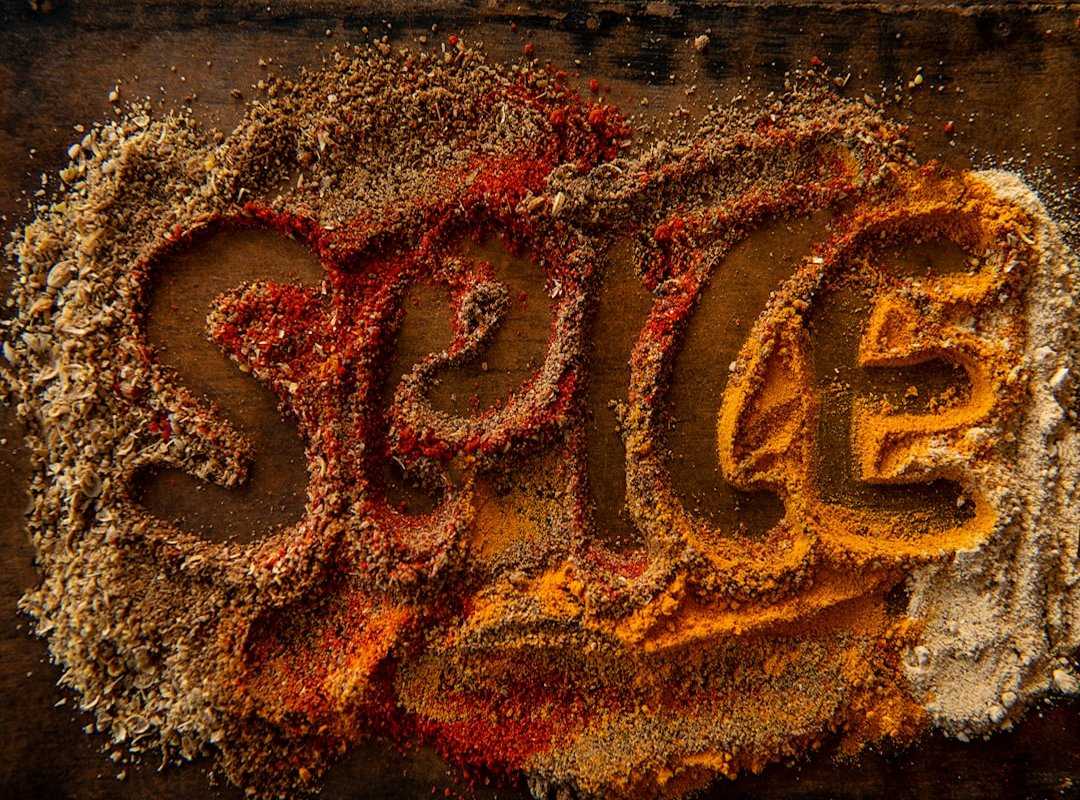
The art of stir-frying isn’t just tossing veggies in a pan. It’s about high heat and quick hands. When you stir-fry, you’re not just cooking; you’re creating a dance of flavors that come together in seconds.
Grilling is another cornerstone. It’s not merely about slapping meat on a grill. The secret lies in getting that perfect char.
The authentic flavors will transport you straight to a bustling Thai street market.
Those grill marks aren’t just for Instagram. They add a smoky depth that’s irresistible. And if you can get your hands on a charcoal grill, even better.
Pro tip: Balance is key. Too much fish sauce can overpower, while too little leaves it flat. Finding that sweet spot?
That’s the challenge. A pinch of sugar, a squeeze of lime, and a splash of fish sauce can make or break your dish.
The real secret? Keep it simple. Let the ingredients shine.
Thai street vendors know this. They focus on fresh, bold flavors. You should too.
Ready to cook like a street pro? Get out there and try these techniques. Your taste buds won’t regret it.
Spicing Up Your Kitchen: Thai Street Food at Home
Ever craved the wild ride of Thai street food flavors without leaving your house? I hear you. It’s not hard to recreate that magic right in your kitchen.
Start with the basics: think Pad Thai or Tom Yum. These are dishes that hit hard with flavor and are surprisingly simple. You can find recipes online, but I say, make it yours.
Now, let’s talk drinks. Pair your creations with a Thai iced tea or Singha beer. It’s like taking a trip without the plane ticket.
Don’t be afraid to experiment. Thai cooking is about bold flavors, so throw in some lemongrass or kaffir lime leaves. Sure, you might not get it right the first time, but that’s part of the fun.
Here’s a pro tip: visit your local Asian market. You’ll find ingredients that can bring authenticity to your dishes. Sticky rice?
Yes, please. And if you’re feeling adventurous, try making your own satay with peanut sauce. Trust me, it’s worth it.
Feeling inspired? Good. Cooking is like art; there are no strict rules, just guidelines.
So, roll up your sleeves, embrace the mess, and let those Thai street food flavors transform your kitchen into a bustling Bangkok alley.
Unleash the Flavor of Thai Streets at Home
You want authentic Thai street food flavors, right? It’s simpler than you think. You just need the right ingredients and a bit of courage.
Imagine those lively spices dancing on your taste buds. Feel that cultural richness. I say dive into it.
Don’t just watch cooking shows. Experiment. Create.
Taste. You’re not just cooking; you’re exploring a whole new world.
Why not start your culinary adventure today? Head over to tbfoodcorner.com and find out how. We’ve got the recipes and tips to guide you.
No more waiting. Your taste adventure starts now.
 Head of Culinary Content & Recipe Development
There is a specific skill involved in explaining something clearly — one that is completely separate from actually knowing the subject. Max Bessleroid has both. They has spent years working with flavorful cooking foundations in a hands-on capacity, and an equal amount of time figuring out how to translate that experience into writing that people with different backgrounds can actually absorb and use.
Max tends to approach complex subjects — Flavorful Cooking Foundations, Explore More, Kitchen Prep Hacks being good examples — by starting with what the reader already knows, then building outward from there rather than dropping them in the deep end. It sounds like a small thing. In practice it makes a significant difference in whether someone finishes the article or abandons it halfway through. They is also good at knowing when to stop — a surprisingly underrated skill. Some writers bury useful information under so many caveats and qualifications that the point disappears. Max knows where the point is and gets there without too many detours.
The practical effect of all this is that people who read Max's work tend to come away actually capable of doing something with it. Not just vaguely informed — actually capable. For a writer working in flavorful cooking foundations, that is probably the best possible outcome, and it's the standard Max holds they's own work to.
Head of Culinary Content & Recipe Development
There is a specific skill involved in explaining something clearly — one that is completely separate from actually knowing the subject. Max Bessleroid has both. They has spent years working with flavorful cooking foundations in a hands-on capacity, and an equal amount of time figuring out how to translate that experience into writing that people with different backgrounds can actually absorb and use.
Max tends to approach complex subjects — Flavorful Cooking Foundations, Explore More, Kitchen Prep Hacks being good examples — by starting with what the reader already knows, then building outward from there rather than dropping them in the deep end. It sounds like a small thing. In practice it makes a significant difference in whether someone finishes the article or abandons it halfway through. They is also good at knowing when to stop — a surprisingly underrated skill. Some writers bury useful information under so many caveats and qualifications that the point disappears. Max knows where the point is and gets there without too many detours.
The practical effect of all this is that people who read Max's work tend to come away actually capable of doing something with it. Not just vaguely informed — actually capable. For a writer working in flavorful cooking foundations, that is probably the best possible outcome, and it's the standard Max holds they's own work to.