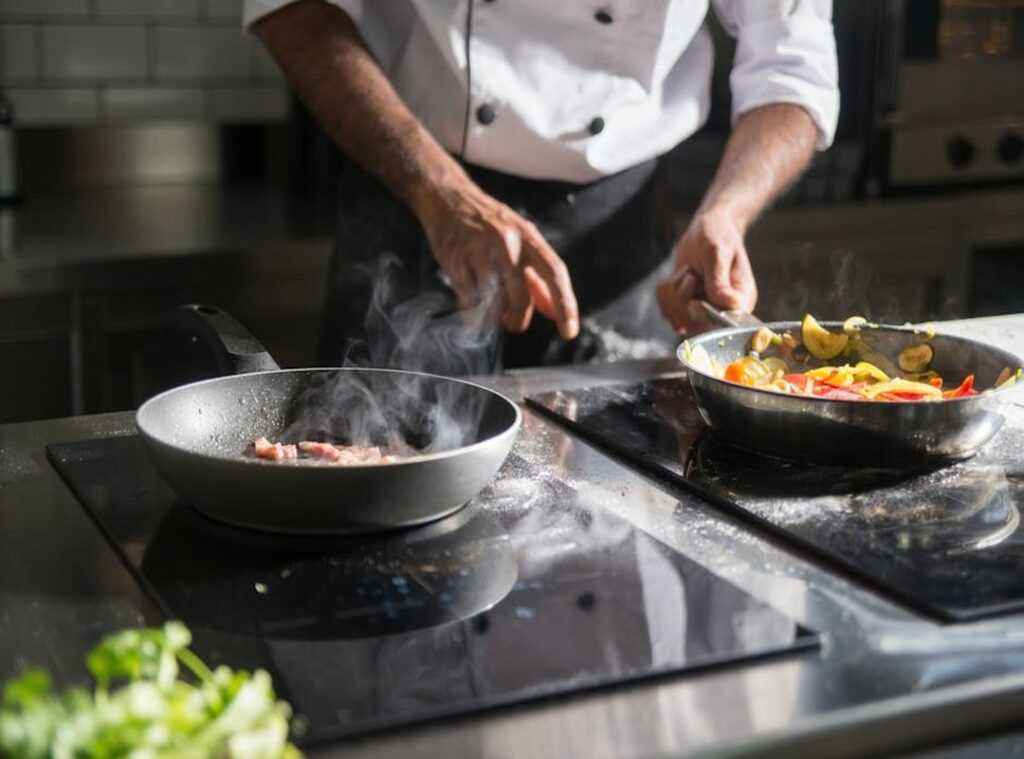
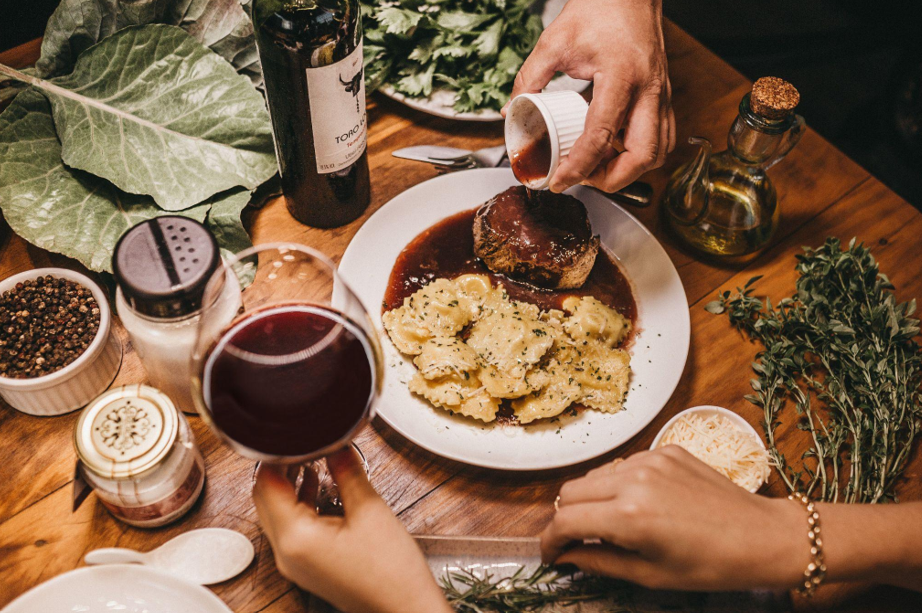
A well-balanced dinner, unfortunately, cannot be calculated with some exact formula. It is more about choosing a dish that does not end up feeling too heavy, too sharp or too bland. Food needs some kind of contrast, and the wine should highlight that contrast without fighting against it.
To start, picture a normal dinner. Roast chicken, potato salad, vegetables and a bottle of white wine. Or maybe pasta with grilled vegetables and red wine. None of this looks like a luxurious restaurant dish. But when the textures, flavors and wine come together, the whole dinner immediately feels much more complete.
The most logical place to begin is the main dish. What is it like? Rich, lean, creamy, salty, spicy, grilled? The answer already gives you the first direction. A buttery dish, for example, may need something fresh. A juicy, smoky steak will need red wine. A lemony salad needs a bottle that can handle the acidity without turning sharp.
The devil is in the details, and dinner is no exception. A spoonful of sauce, a little lemon, a crisp salad or a warm side dish can completely change the meal. Wine works in much the same way. Dry sparkling wine can wake up salty snacks, a soft red can calm down roast meat a little, and a bright white can cut through cream or butter.
There is also another side to dinner. The social side, let’s call it that. Someone may want red wine with absolutely everything. Someone else may want white wine with beef. One guest may drink only sparkling wine. And that is fine. It simply means the table needs enough flexibility for everyone to feel comfortable.
So instead of asking which bottle is best, it is better to ask which bottle actually suits this particular dinner. For most home meals, that question is much more useful than chasing some fashionable label. If you are planning a balanced meal and want to buy wine, start with the food first, then choose a bottle that fits its body, texture and mood.
For the food side of the meal, Harvard’s Healthy Eating Plate is a useful reminder to think about protein, vegetables, grains and fruit on the plate. Wine temperature matters as well: even a good bottle can taste flat if it is served too warm or too cold.
Start With the Main Dish
You should start with the main dish first, because that is what points you in the right direction. Chicken, fish, pasta, steak, lamb, vegetables and cheese all call for very different wines.
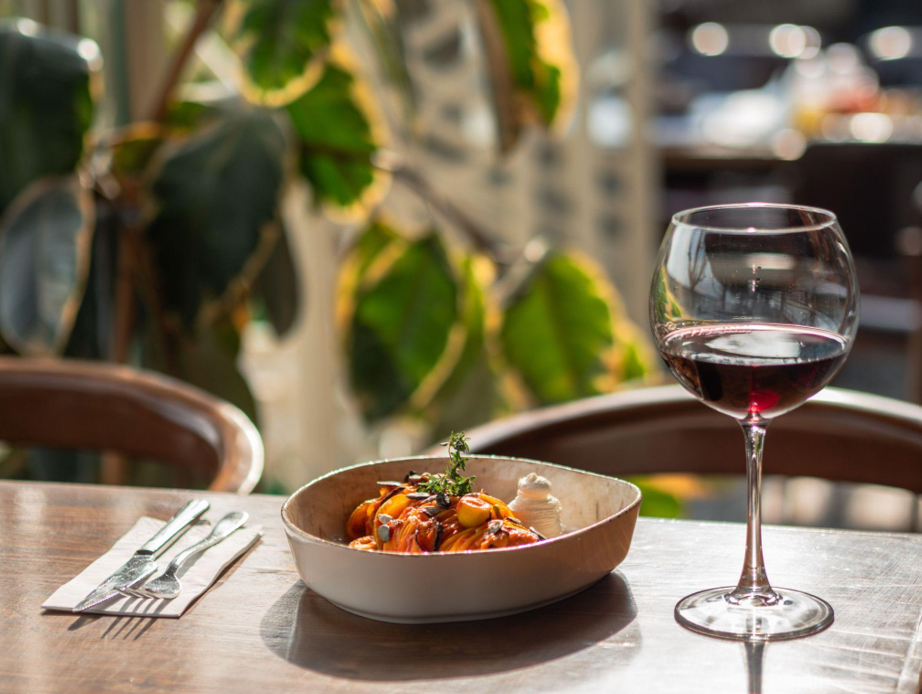
Roast chicken gives you room to move. It can work with Chardonnay, Pinot Noir, Merlot or rosé, depending on the herbs and sides. Fish usually needs something cleaner and brighter. Creamy pasta is best with either a crisp white or a gentle red that will not add more heaviness to the sauce.
Grilled beef can take Cabernet Sauvignon, Syrah or another structured red. The mistake is choosing wine before you know what it has to do. A bottle can be great and still sit badly beside the wrong dish.
Pro Tip: When the main course is light, avoid a wine that wants to take over the entire meal. Keep the bottle in the same lane as the dish.
Build Contrast on the Plate
Contrast is what makes a good dinner feel balanced. Rich food needs acidity. Soft food works better with something crisp. Salty food can use a bit of brightness. A plate built only from cream, butter and starch might taste great for a few bites, but then it starts to feel heavy.
That is why simple sides are worth paying attention to. A green salad can lift roast meat. Pickled onions can sharpen grilled food. Steamed vegetables can soften a rich sauce. Potatoes give the meal weight, while lemon, herbs or tomatoes keep it from going flat.
Wine can support those contrasts too. Sparkling wine works well with fried or salty food because the bubbles keep the palate awake. Sauvignon Blanc or Albariño can lift fish, salads and green vegetables. Pinot Noir sits comfortably with mushrooms, roast chicken or salmon without covering them. A fuller red can give chargrilled meat the structure it needs.
You do not need a whole lineup of side dishes here. Even one can be enough. Roast chicken with potatoes, salad and wine can already make a perfectly balanced dinner.
A Simple Table for Balanced Dinners
You can use the table below as a cheat sheet. It is not a strict set of rules, of course, but more a list of generally accepted guidelines.
| Dinner style | What needs balancing | Wine direction |
| Roast chicken with herbs | Mild meat and savory skin | Chardonnay, Pinot Noir, dry rosé |
| Creamy pasta | Rich sauce and soft texture | Sauvignon Blanc, Chardonnay, light red |
| Grilled steak | Fat, char and strong flavor | Cabernet Sauvignon, Syrah, bold red blend |
| Salmon with vegetables | Rich fish and fresh sides | Pinot Noir, dry rosé, crisp white |
| Tomato pasta | Acidity and sweetness | Chianti-style red, Barbera, dry rosé |
| Cheese and small plates | Salt, fat and mixed flavors | Sparkling wine, rosé, medium-bodied red |
| Spicy food | Heat and strong seasoning | Off-dry white, rosé, fruity light red |
The main idea is simple. Rich food usually needs a fuller-bodied wine. Lighter food usually needs freshness. Spicy food often works better with fruitiness and a little softness than, for example, with a heavy tannic red.
Think About Sauce Before You Pour
Sauce can completely change how a dish feels. A plain grilled chicken breast and chicken in a creamy mushroom sauce are two very different meals. The meat may be the same, of course, but the sauce changes the flavor of the whole plate.
Creamy sauces usually work best with fresher wines. Tomato-based sauces need wine with enough acidity to keep the whole dish lively. Pepper sauces can handle fuller, fruitier reds. Herb-based sauces, like pesto or chimichurri, often respond better to brighter wines.
At this point, it is easy to make a mistake. People often choose wine for the meat and forget what is actually covering it. If the sauce is the loudest element on the plate, then let it guide the wine choice too.
Serving Order Matters Too
If dinner has several stages, different wines can help the meal feel more natural and bring out the dishes a little better. Start with something lighter, then move toward richer bottles. Sparkling wine or a crisp white works well with snacks and appetizers. A fuller white or a light red can follow with poultry, fish or vegetable dishes. Then a more robust red can come later with beef, lamb or aged cheese.
And remember, this does not need to become formal. You are not running a restaurant, after all. But some basic order can help. If you open the most powerful red first, lighter wines after it may feel too pale. If you start with something fresh, the dinner has more room to move.
For a smaller dinner, two bottles are usually enough: one lighter option and one fuller one. That gives people a choice without turning the evening into a tasting.
Pay Attention to Temperature
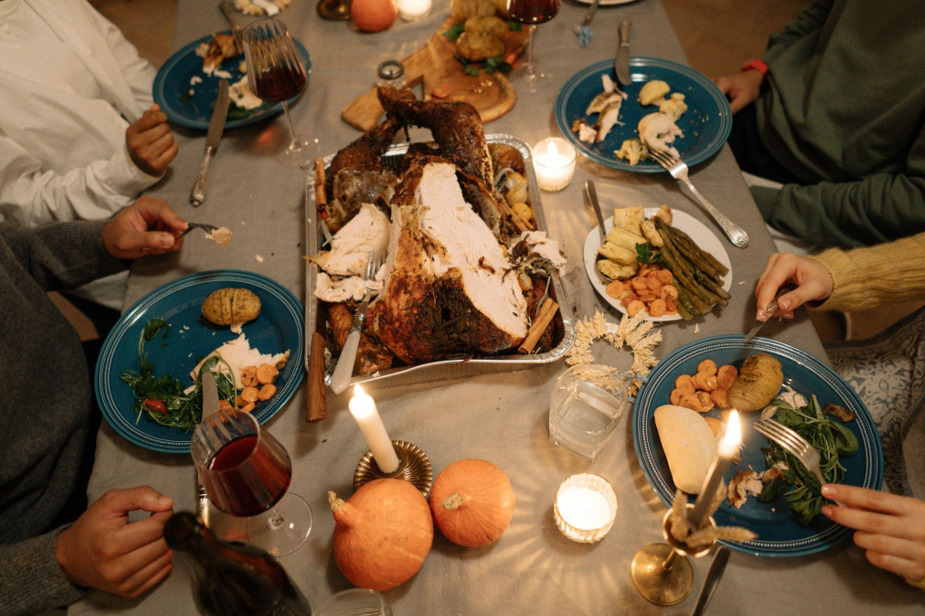
Temperature is probably the easiest detail to fix at home. White wine should be chilled, but not so cold that it loses its character. Red wine should not be served warm, especially in a busy, hot kitchen. A short chill can make many reds feel cleaner and more focused.
Sparkling wine should be chilled before opening. If it is too warm, it becomes harder to open neatly and usually tastes less fresh. Rosé also works best with a good chill, especially with salads, seafood or outdoor meals.
And with red wine, do not be afraid of the fridge. Fifteen or twenty minutes can make a real difference. This will not freeze the bottle at all. It will simply bring it closer to the temperature where the fruit, acidity and structure feel the way they should.
Common Mistakes When Pairing Food and Wine
A few small mistakes can throw the whole dinner off balance. They are easy to avoid once you know where the problem usually starts.
- Making everything too rich. A creamy main dish, buttery vegetables, a heavy sauce and a powerful red wine can feel impressive for a moment, but the whole meal gets tiring quickly.
- Ignoring acidity. Lemon, vinegar, tomatoes and wine all bring sharpness to the table. When they work together, dinner feels fresh. When they clash, the food can taste harsh and the wine can turn sour.
- Choosing wine only by price. Spending more money does not automatically mean the bottle will work better with your meal. Sometimes a simple crisp white is much more useful with fish or seafood than a serious red that has nowhere to go on the plate.
- Forgetting the people at the table. If your guests prefer softer wines, do not force a huge tannic red just because it seems more impressive. A good dinner should feel comfortable for the people eating it.
A Dinner That Feels Finished
Planning a balanced dinner is much easier than it seems. Start with the main dish, then bring in contrast through the sides, sauce and texture. Think about what the meal needs: freshness, body, softness or a little lift. Then choose a wine that can do that job.
For everyday meals, that might mean chicken, salad, potatoes and a chilled white. For something a little more special, it could be grilled meat, vegetables, a proper sauce and a bolder red. The process is the same either way.
Food and wine work best when they make each other easier to enjoy. There should be no dissonance between the dish and the glass. When the food and the drink both do the job they are supposed to do, the whole dinner feels complete.
 Kitchen Operations & Food Preparation Specialist
There is a specific skill involved in explaining something clearly — one that is completely separate from actually knowing the subject. Luther Deckeroids has both. They has spent years working with corner culinary techniques in a hands-on capacity, and an equal amount of time figuring out how to translate that experience into writing that people with different backgrounds can actually absorb and use.
Luther tends to approach complex subjects — Corner Culinary Techniques, Fresh Insights, Explore More being good examples — by starting with what the reader already knows, then building outward from there rather than dropping them in the deep end. It sounds like a small thing. In practice it makes a significant difference in whether someone finishes the article or abandons it halfway through. They is also good at knowing when to stop — a surprisingly underrated skill. Some writers bury useful information under so many caveats and qualifications that the point disappears. Luther knows where the point is and gets there without too many detours.
The practical effect of all this is that people who read Luther's work tend to come away actually capable of doing something with it. Not just vaguely informed — actually capable. For a writer working in corner culinary techniques, that is probably the best possible outcome, and it's the standard Luther holds they's own work to.
Kitchen Operations & Food Preparation Specialist
There is a specific skill involved in explaining something clearly — one that is completely separate from actually knowing the subject. Luther Deckeroids has both. They has spent years working with corner culinary techniques in a hands-on capacity, and an equal amount of time figuring out how to translate that experience into writing that people with different backgrounds can actually absorb and use.
Luther tends to approach complex subjects — Corner Culinary Techniques, Fresh Insights, Explore More being good examples — by starting with what the reader already knows, then building outward from there rather than dropping them in the deep end. It sounds like a small thing. In practice it makes a significant difference in whether someone finishes the article or abandons it halfway through. They is also good at knowing when to stop — a surprisingly underrated skill. Some writers bury useful information under so many caveats and qualifications that the point disappears. Luther knows where the point is and gets there without too many detours.
The practical effect of all this is that people who read Luther's work tend to come away actually capable of doing something with it. Not just vaguely informed — actually capable. For a writer working in corner culinary techniques, that is probably the best possible outcome, and it's the standard Luther holds they's own work to.