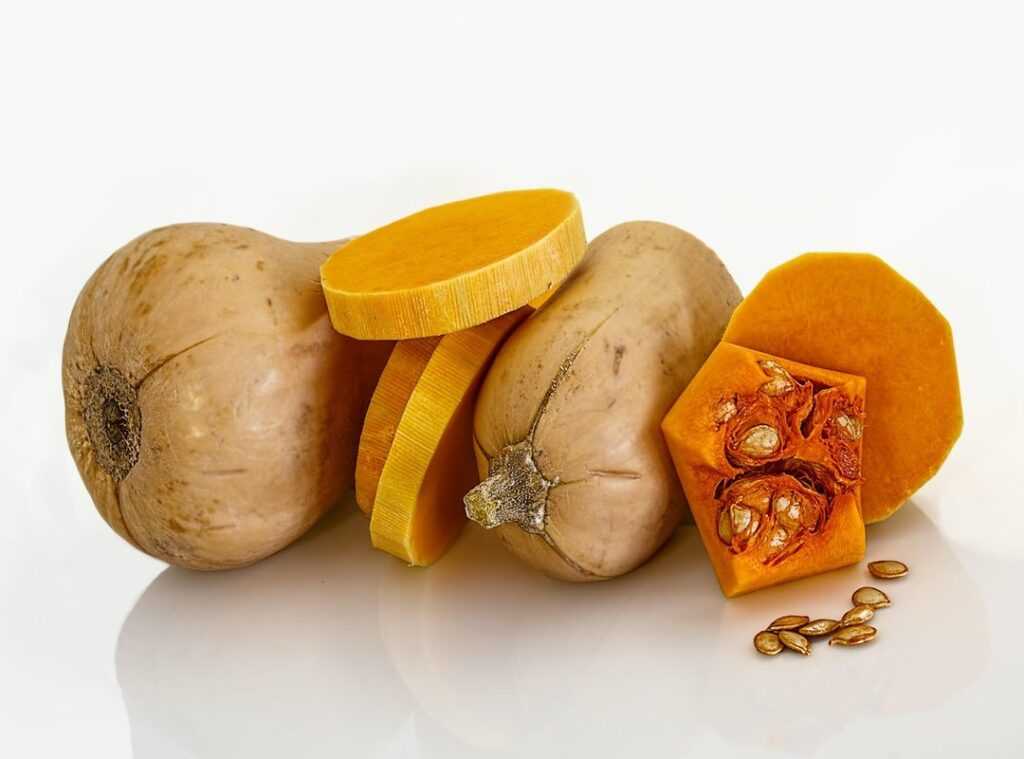
Ever feel like you want to change the world but get lost in the chaos of our food system? You’re not alone. I get it (it’s) overwhelming.
But here’s the thing: bridging the gap between large-scale sustainable food ideas and what you can do in your kitchen isn’t impossible. I’ve spent years diving into culinary techniques and global food traditions, and let me tell you, they hold keys to a sustainable future.
This isn’t about guilt trips or deprivation. It’s about empowerment and flavors you’ll love. We’ll explore food sustainability trends and innovations, making them practical and tasty.
Trust me, I’ve been there, surrounded by information, unsure where to begin. But you’ll walk away with a clear, inspiring guide to make a real impact today. Ready for a change?
Let’s do this together.
Your Plate: A Green Revolution
“Sustainable” isn’t just a buzzword that means buying organic. It’s a whole mindset shift. I see it all the time.
People think grabbing an organic apple is enough. Newsflash: it’s not. Real food sustainability trends dive deep into three key pillars: environmental health, social equity, and economic viability.
Environmental health is about more than just reducing waste. It’s cutting down on that massive carbon footprint your food leaves behind. Ever thought about how much energy it takes to get your strawberries from another continent?
It’s like asking your groceries to leave a bigger carbon trail than a gas-guzzler.
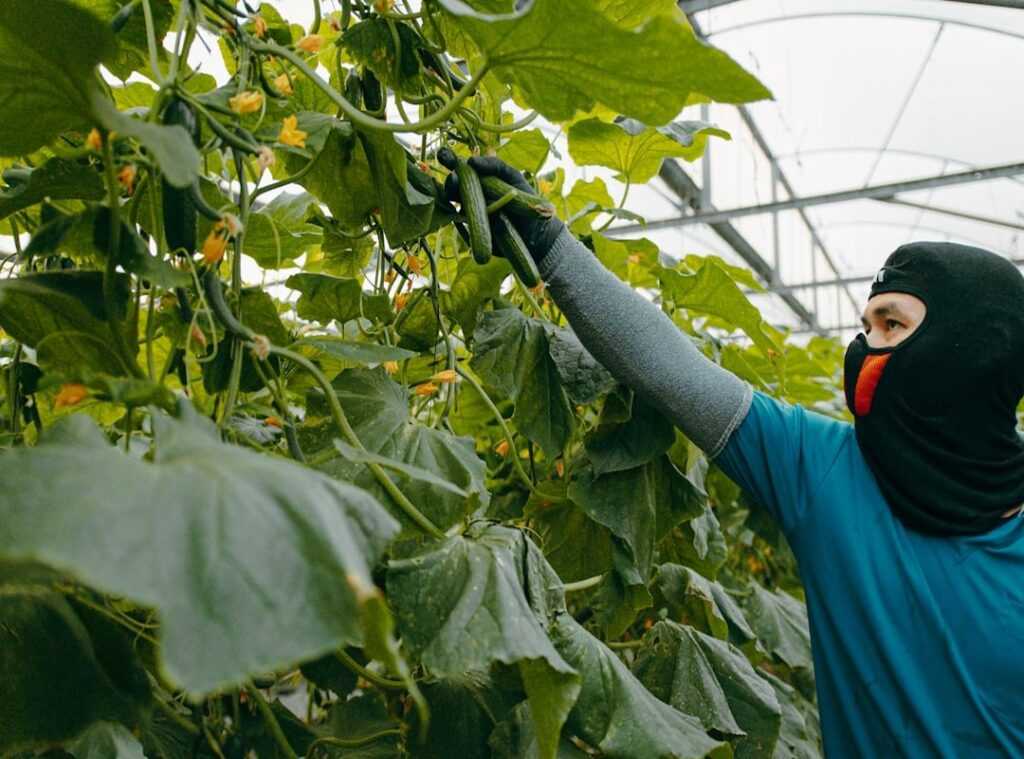
Social equity? It’s ensuring fair treatment for farmworkers. Those folks break their backs so we can eat.
They deserve better, and we owe it to them to care. Fair wages shouldn’t be optional.
Economic viability isn’t just jargon for economists. Supporting local businesses isn’t just about feeling good. It’s about sustaining a community.
When you buy from local and responsible businesses, you’re investing in your own backyard. That’s power.
Signs of a sustainable choice are everywhere if you’re looking: minimal packaging, local sourcing, and using the whole plant or animal (nose-to-tail, root-to-stem). It’s not about labels; it’s about choices. Want to dig deeper?
Check out how climate change impacts food choices.
We can’t ignore these pillars if we want a better food system. It’s not just about saving the planet. It’s about building a healthier, fairer world for everyone.
That’s the real deal, the authentic sustainable choice.
Mind-Blowing Food Innovations: Changing How We Eat
Ever think about how food tech is flipping the script on what we eat? It’s wild. to some mind-bending innovations reshaping our plates.
First up, vertical and indoor farming. Picture this: growing crops indoors in stacked layers. It sounds like sci-fi, right?
But it’s happening now. This method means growing fresh greens without worrying about seasons. You get crisp, flavorful veggies year-round.
And here’s the kicker. No pesticides and way less water. Imagine biting into a salad that’s been in the ground just hours before.
That’s freshness you can taste. Why bother with limp supermarket lettuce when you could have this?
Next is precision fermentation. It’s a fancy term, but the idea is simple. We use microorganisms to make proteins found in milk or eggs, minus the animals.
Think of the possibilities: creamy cheese or ice cream that’s kind to the planet. Fewer cows, less impact. And the taste?
Spot on. It’s like having your cake and eating it too (without feeling guilty).
Now, let’s talk upcycled foods. This one’s a game-changer. Who knew we could turn food waste into gourmet snacks?
Take spent grain from brewing beer. Instead of tossing it, we make delicious treats. Or fruit peels?
They become nutritious powders for smoothies. It’s like finding treasure in trash. Why waste when we can create?
These aren’t just cool ideas. They’re part of a larger movement toward food sustainability trends. We’re reimagining our food systems, making them smarter and more sustainable.
So, next time you hear about these innovations, don’t just nod along. Dive in. Taste the future.
It’s closer than you think.
Your Kitchen, Your Impact: 4 Solid Sustainable Practices
Let’s cut to the chase. Making your kitchen more sustainable doesn’t mean overhauling your life. Small changes can create big impacts.
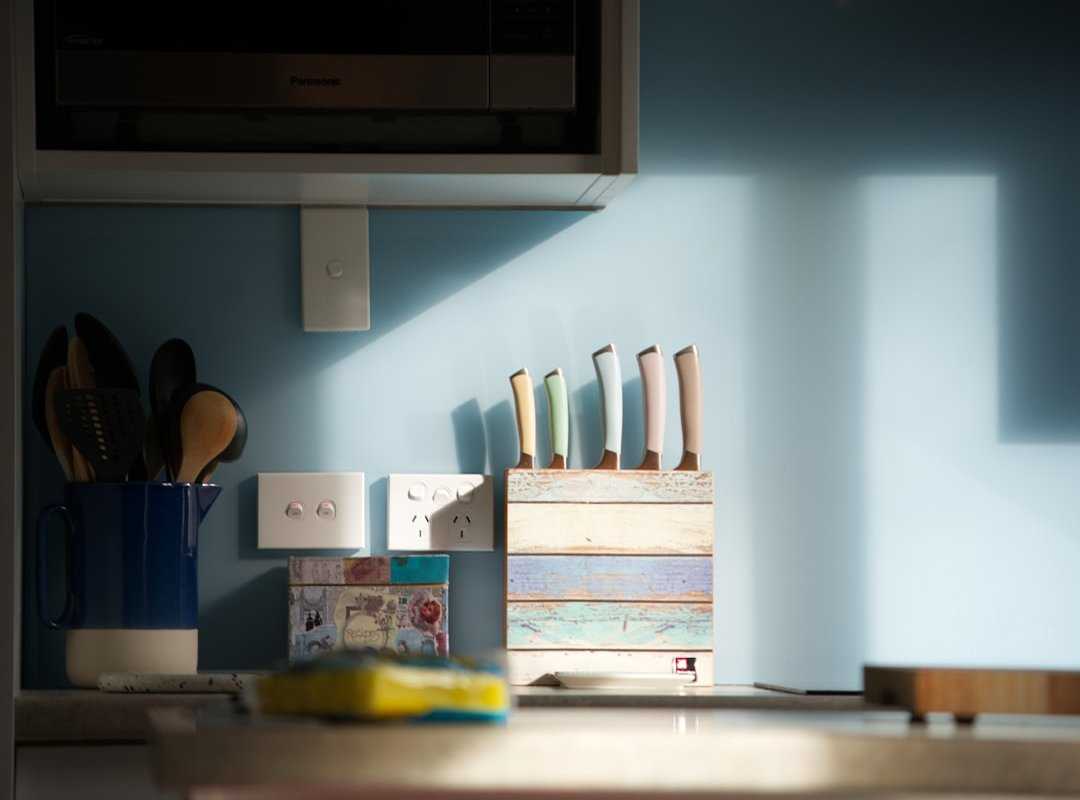
Ever heard of “Root-to-Stem” cooking? It’s about using the whole vegetable. You know those carrot tops you usually toss?
Try making a lively pesto with them. It’s delicious, trust me. And don’t even get me started on pickling watermelon rinds.
They’re sweet and tangy, a game-changer for snacks. Broccoli stalks? Roast them until they’re sweet and tender.
This way, nothing goes to waste, and you get more bang for your buck.
How? Store fresh herbs like a bouquet in water, and they’ll last way longer. Keep greens crisp by wrapping them in a paper towel.
Now, let’s talk about becoming a Food Waste Warrior. It’s not just about eating leftovers (though that’s a good start). It’s about extending the life of your food.
A ‘use-it-first’ box in the fridge is genius for managing perishables. Who knew saving food could be this simple?
Cooking with a plant-forward mindset is another trend I swear by. It doesn’t mean ditching meat entirely. Think of it as making veggies the star of the plate.
Roasting brings out caramelization and natural sweetness. Ever tried mushrooms and soy sauce for that umami punch? Trust me, you’ll be licking your plate.
And let’s not forget the power of a single pot. One-pot meals save water, energy, and time. Plus, you use ingredients more efficiently.
Less washing up means more time to enjoy your meal (and a cleaner conscience).
Curious about the latest food sustainability trends? Check out New Superfoods To Watch Out For. They might just inspire your next kitchen experiment.
Remember, every little bit helps. Your kitchen is ground zero for change. So why not start today?
You won’t just save the planet; you’ll eat better, feel better, and maybe even start a trend. Who’s in?
Ancient Wisdom: Food Traditions with a Twist
Ever think about how food sustainability trends aren’t just new fads? They’re steeped in ancient wisdom. Take “nose-to-tail” eating.
It’s not just about respecting the animal. It’s about reducing waste and honoring traditions. Cultures worldwide have mastered this practice long before it became trendy.
And let’s talk fermentation. Kimchi, sauerkraut, kefir. These are not just tasty.
They’re energy-fast ways of preserving food. Plus, they boost flavor and health. Fermentation is like nature’s little miracle.
It’s far from a modern invention.
Sustainability isn’t a fresh concept. It’s an age-old practice. We should learn from it.
These global culinary traditions show us that respecting resources and minimizing waste isn’t a choice. It’s important (and smart). So, why not embrace this ancient wisdom in our kitchens today?
Dive Into Your Kitchen’s Green Revolution
Feeling like a tiny piece in a vast, tangled food web? You’re not alone. By embracing exciting food sustainability trends, we can shift the tides right from our kitchens.
This isn’t just about saving the planet (though it does that too). It’s about boosting flavor and creativity in every dish. So why not take the plunge?
Just pick one idea from here. Like turning carrot tops into pesto or establishing a ‘use-it-first’ box. And try it this week.
You’ll see the difference. Ready to start your deliciously sustainable journey? Dive in.
Your kitchen revolution begins now.
 Founder & Culinary Director
Othric Quenvale has opinions about corner culinary techniques. Informed ones, backed by real experience — but opinions nonetheless, and they doesn't try to disguise them as neutral observation. They thinks a lot of what gets written about Corner Culinary Techniques, Flavorful Cooking Foundations, Kitchen Prep Hacks is either too cautious to be useful or too confident to be credible, and they's work tends to sit deliberately in the space between those two failure modes.
Reading Othric's pieces, you get the sense of someone who has thought about this stuff seriously and arrived at actual conclusions — not just collected a range of perspectives and declined to pick one. That can be uncomfortable when they lands on something you disagree with. It's also why the writing is worth engaging with. Othric isn't interested in telling people what they want to hear. They is interested in telling them what they actually thinks, with enough reasoning behind it that you can push back if you want to. That kind of intellectual honesty is rarer than it should be.
What Othric is best at is the moment when a familiar topic reveals something unexpected — when the conventional wisdom turns out to be slightly off, or when a small shift in framing changes everything. They finds those moments consistently, which is why they's work tends to generate real discussion rather than just passive agreement.
Founder & Culinary Director
Othric Quenvale has opinions about corner culinary techniques. Informed ones, backed by real experience — but opinions nonetheless, and they doesn't try to disguise them as neutral observation. They thinks a lot of what gets written about Corner Culinary Techniques, Flavorful Cooking Foundations, Kitchen Prep Hacks is either too cautious to be useful or too confident to be credible, and they's work tends to sit deliberately in the space between those two failure modes.
Reading Othric's pieces, you get the sense of someone who has thought about this stuff seriously and arrived at actual conclusions — not just collected a range of perspectives and declined to pick one. That can be uncomfortable when they lands on something you disagree with. It's also why the writing is worth engaging with. Othric isn't interested in telling people what they want to hear. They is interested in telling them what they actually thinks, with enough reasoning behind it that you can push back if you want to. That kind of intellectual honesty is rarer than it should be.
What Othric is best at is the moment when a familiar topic reveals something unexpected — when the conventional wisdom turns out to be slightly off, or when a small shift in framing changes everything. They finds those moments consistently, which is why they's work tends to generate real discussion rather than just passive agreement.